
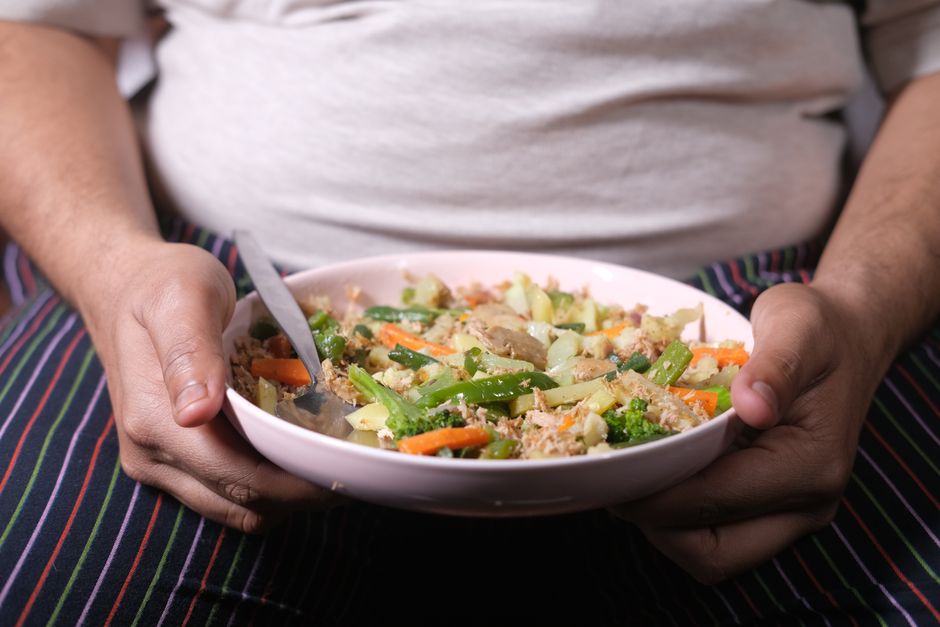
Food poisoning is miserable. You know the feeling: sudden nausea, stomach cramps, vomiting, and diarrhea. The good news is that most cases resolve on their own within a day or two. The primary treatment at home is simple: let your stomach settle, replace lost fluids, and ease back into eating when you are ready. You cannot “cure” food poisoning instantly, but you can manage the symptoms safely and support your body’s natural recovery process without needing medical intervention in most cases.
What Is Food Poisoning and How Long Does It Last?
Food poisoning is an illness caused by eating food or drink contaminated with bacteria, viruses, or parasites. Common culprits include Salmonella, E. coli, Listeria, and norovirus. The symptoms occur because the pathogens irritate the lining of your digestive tract, causing inflammation and fluid loss.
Symptoms typically begin within a few hours to a few days after eating contaminated food. The duration depends on the specific organism involved. Most people feel significantly better within 24 to 48 hours. Some cases, particularly those caused by certain bacteria, can last longer. If symptoms persist beyond three days, you should contact a healthcare provider.
During the acute phase, your body is working hard to flush out the offending pathogen. Vomiting and diarrhea are unpleasant, but they are your body’s defense mechanisms. Your job is not to stop these processes entirely, but to keep yourself hydrated and comfortable while they run their course.
What Should You Do First When Symptoms Start?
Stop eating solid food for a few hours. Give your stomach a chance to settle. This is not starvation; it is a short-term pause that reduces further irritation. Most adults can tolerate a 4 to 6 hour break from food without issue.
Sip fluids slowly. Ice chips or small sips of water every 10 to 15 minutes are easier to keep down than large gulps. If you vomit, wait at least 30 minutes after the episode before trying to drink again. This gives the stomach lining a brief moment to calm down.
Do not take anti-diarrheal medications like loperamide (Imodium) unless a doctor specifically tells you to. The evidence suggests that letting diarrhea run its course helps your body eliminate the pathogen. Suppressing it can prolong the illness in some bacterial infections. Similarly, avoid taking ibuprofen or aspirin for cramps, as these can irritate the stomach further.
How To Treat Food Poisoning Naturally At Home?
The most effective natural treatment for food poisoning is oral rehydration. This means replacing the water and electrolytes you are losing through vomiting and diarrhea. Plain water is fine, but it does not replace sodium, potassium, and chloride. An oral rehydration solution (ORS) is the gold standard.
You can make a simple ORS at home. Mix 6 level teaspoons of sugar and 1/2 level teaspoon of salt into 1 liter of clean drinking water. Stir well until dissolved. Sip this mixture throughout the day. This exact formula is based on the World Health Organization’s rehydration guidelines and is safe for adults and children over age 5.
Clear broths and electrolyte drinks also work well. Coconut water is a natural source of potassium and can be a good option, but it lacks the sodium content needed for full rehydration. If you use it, pair it with salty crackers or a small amount of salted broth.
Ginger tea is one of the few natural remedies with decent evidence behind it. Some research suggests ginger can reduce nausea and vomiting severity. Steep fresh ginger slices in hot water for 10 minutes and sip it slowly. Peppermint tea may help with cramping, though the evidence is less robust. Neither of these treats the infection itself, but they can make the experience more tolerable.



When Can You Start Eating Again?
Once you can keep fluids down for several hours without vomiting, you can introduce bland foods. The BRAT diet is a common starting point: bananas, rice, applesauce, and toast. These foods are low in fiber, easy to digest, and unlikely to irritate the stomach further.
Plain crackers, boiled potatoes, and clear soups are also acceptable. Eat small amounts. A few bites every hour is better than a full meal. Your digestive system is still inflamed, and a large meal can trigger a relapse of symptoms.
Avoid dairy products, fatty foods, spicy foods, and alcohol for at least 48 hours after symptoms subside. These are harder to digest and can prolong recovery. Caffeine is also best avoided, as it can stimulate the gut and worsen diarrhea.
Probiotics are sometimes suggested to restore healthy gut bacteria after a bout of food poisoning. The evidence is mixed. Some studies indicate that certain probiotic strains may shorten the duration of diarrhea, but results vary widely. If you choose to take a probiotic, wait until the acute symptoms have passed. Introducing live bacteria into an actively inflamed gut can make things worse.
What Are the Warning Signs You Need Medical Help?
Most food poisoning resolves without medical treatment, but some cases require professional care. Dehydration is the primary concern. Signs of dehydration include extreme thirst, dry mouth, dark urine, dizziness when standing, and urinating less than usual. In severe cases, confusion or fainting can occur.
Seek medical attention if you experience any of the following:
- Blood in your vomit or stool
- Fever above 101.5°F (38.6°C)
- Inability to keep any fluids down for more than 24 hours
- Signs of severe dehydration
- Symptoms lasting more than three days
- Neurological symptoms like blurred vision, muscle weakness, or tingling
Certain groups are at higher risk for complications: pregnant women, older adults, infants, and people with weakened immune systems. If you fall into any of these categories and suspect food poisoning, contact a healthcare provider earlier rather than later. Botulism, a rare but serious form of food poisoning, requires immediate medical treatment and can cause drooping eyelids, difficulty swallowing, and weakness.
Can You Prevent Food Poisoning in the First Place?
Prevention is more effective than any treatment. The CDC’s four basic food safety steps are simple and well established: clean, separate, cook, and chill.
Wash your hands with soap and water before handling food. Wash fruits and vegetables thoroughly, even if you plan to peel them. Keep raw meat, poultry, and seafood separate from ready-to-eat foods. Use different cutting boards for raw meat and produce.
Cook food to safe internal temperatures. A food thermometer is the only reliable way to know if meat is safe. Ground beef should reach 160°F, poultry should reach 165°F, and leftovers should be reheated to 165°F. Refrigerate perishable foods within two hours, and keep your refrigerator at or below 40°F.
Be cautious with high-risk foods. Raw or undercooked eggs, unpasteurized milk, raw sprouts, and undercooked shellfish are common sources of foodborne illness. This is particularly important for pregnant women and older adults, who are more vulnerable to severe outcomes.
What About Activated Charcoal or Other Viral Remedies?
Activated charcoal is a popular internet remedy for food poisoning. The theory is that it binds to toxins in the digestive tract and prevents absorption. The evidence does not support this use. No large human trials have confirmed that activated charcoal effectively treats food poisoning. It can also interfere with medication absorption and cause constipation. Do not use it without medical supervision.
Apple cider vinegar is another viral claim. Some people suggest it kills bacteria or rebalances stomach acid. There is no clinical evidence that this works. In fact, drinking undiluted vinegar can damage tooth enamel and irritate the esophagus.
Honey has antimicrobial properties in laboratory settings. Some research suggests certain types of honey can inhibit bacterial growth. However, no clinical evidence confirms that eating honey treats active food poisoning in humans. It is not harmful in small amounts, but it should not replace rehydration or medical care when needed.
Frequently Asked Questions
Should I make myself vomit if I ate something bad?
No. Do not induce vomiting. Your body will expel the pathogen naturally, and forcing vomiting can damage your esophagus and cause dehydration.
How much water should I drink with food poisoning?
Sip small amounts frequently rather than drinking large volumes at once. Aim for at least 8 to 10 cups of fluid per day, using an oral rehydration solution or clear broth to replace electrolytes.
Is yogurt good for food poisoning?
No, not during the acute phase. Dairy can be hard to digest and may worsen diarrhea. Wait until symptoms resolve before introducing yogurt or other probiotic foods.
Can food poisoning go away without antibiotics?
Yes. Most cases are viral or mild bacterial infections that resolve on their own within 48 hours. Antibiotics are only prescribed for specific bacterial infections or severe cases, and they are not effective against viruses.
