
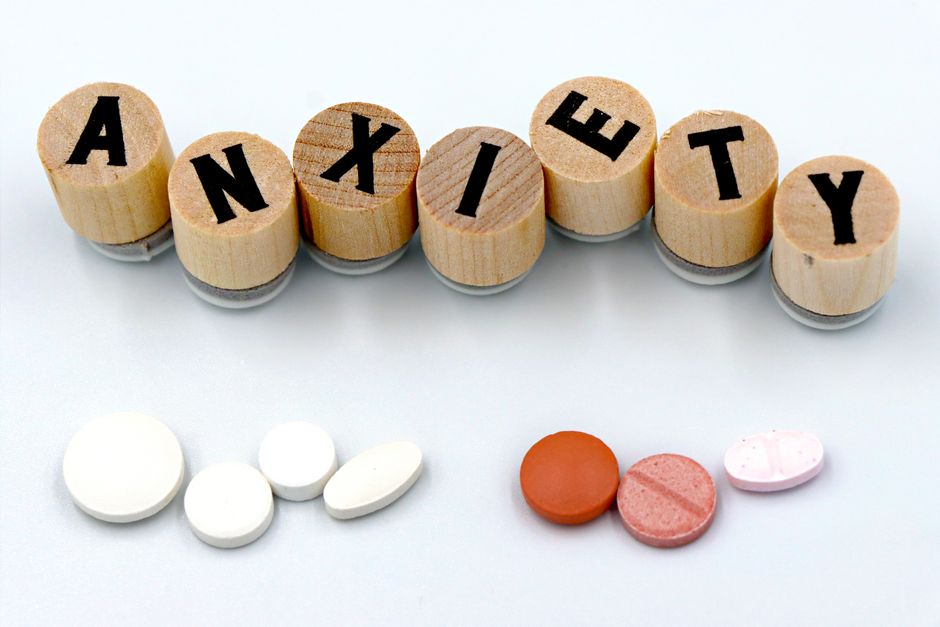
Treating anxiety disorder naturally starts with proven lifestyle and behavioral changes that work alongside professional care. The most effective natural methods include regular aerobic exercise, consistent sleep habits, a balanced diet, and structured relaxation techniques like mindfulness meditation. These approaches are supported by clinical research and can meaningfully reduce symptoms for many people. Natural treatments are not substitutes for medical evaluation or therapy, but they are safe, accessible tools you can begin using today.
What Is an Anxiety Disorder?
Anxiety disorders go beyond occasional worry. They involve persistent, excessive fear or dread that interferes with daily life. Common types include generalized anxiety disorder, panic disorder, social anxiety disorder, and specific phobias. The physical symptoms — racing heart, muscle tension, sweating, and trouble concentrating — are real and driven by the body’s stress response. Diagnosis requires a qualified professional, usually a therapist or doctor, using established criteria.
Understanding the mechanisms helps you see why natural approaches work. Chronic anxiety keeps the sympathetic nervous system in a state of high alert. Natural treatments directly oppose this by activating the parasympathetic system, which calms the body. Exercise, for instance, burns off stress hormones, while slow breathing lowers heart rate. This is not speculation — it is well-established physiology.
Can Natural Treatments Really Help Anxiety?
Yes, but with important context. For mild to moderate anxiety, lifestyle interventions can reduce symptoms as effectively as some medications in certain studies. However, severe anxiety or panic disorder may require medication or therapy first, with natural methods as a complement. The strongest evidence supports cognitive behavioral therapy (CBT), which is not a pill but a structured skill-based treatment. CBT is considered a first-line treatment and can be learned through self-help books or guided online programs.
The key is consistency. Doing one week of meditation will not resolve years of anxiety. Natural treatments work best when practiced regularly for at least several weeks. Research consistently shows that exercise, sleep hygiene, and mindfulness produce measurable improvements when maintained.
How to Treat Anxiety Disorder Naturally with Lifestyle Changes
Exercise: Aerobic exercise — brisk walking, jogging, cycling, swimming — for 30 minutes most days is one of the most evidence-backed natural anxiety treatments. It increases endorphins, reduces cortisol, and provides a mental break from anxious thoughts. Strength training also helps. Even short bursts of activity reduce acute anxiety.
Sleep: Anxiety and poor sleep reinforce each other. Prioritize 7 to 9 hours per night. Keep a consistent sleep schedule, avoid screens an hour before bed, and limit caffeine after noon. If you cannot fall asleep within 20 minutes, get up and do something relaxing in dim light until you feel sleepy. Sleep deprivation amplifies the amygdala’s response to threat, making anxiety worse.
Diet: No diet cures anxiety, but certain patterns help. Balanced meals with protein, healthy fats, and complex carbohydrates stabilize blood sugar, which affects mood. Avoid excessive alcohol and caffeine — both can trigger anxiety symptoms. Omega-3 fatty acids from fish or flaxseed may reduce inflammation linked to anxiety, but evidence is strongest for fish oil supplementation in clinical trials, not diet alone. The overall quality of your diet matters more than any single food.


What Are the Best Mindfulness and Relaxation Techniques?
Mindfulness meditation involves paying attention to the present moment without judgment. Research shows that eight weeks of regular practice can reduce anxiety symptoms and change brain structure in regions involved in emotional regulation. You can start with five minutes daily using a free app or simply focusing on your breath. Do not worry about “doing it right” — the practice is about showing up, not clearing your mind.
Deep breathing — specifically, slow, diaphragmatic breathing at about six breaths per minute — activates the vagus nerve and lowers heart rate. A simple method: inhale for four seconds, hold for four, exhale for six. Repeat for a few minutes. This is not just relaxation; it is a physiological reset.
Progressive muscle relaxation, where you tense and release each muscle group, helps break the cycle of chronic tension many anxious people hold. Guided imagery and yoga also have solid evidence for anxiety reduction. Choose a technique that feels manageable and do it daily. The specific method matters less than the habit of returning your attention to the present.
Do Natural Supplements and Herbs Work for Anxiety?
Some natural supplements have promising but limited evidence. No supplement replaces medication for moderate to severe anxiety. Here is what the research shows.
Magnesium: Some studies suggest magnesium deficiency may be linked to anxiety, and supplementation may reduce symptoms in people who are low. But large human trials are lacking. Do not exceed the recommended daily allowance without medical guidance.
Omega-3 fatty acids: A review of clinical trials found that omega-3 supplements (EPA and DHA) reduced anxiety symptoms compared to placebo. The effect is modest. If you eat fatty fish twice weekly, supplementation may not add much benefit.
Ashwagandha: This adaptogenic herb has shown promise in small studies for reducing cortisol and anxiety. However, evidence is not robust enough to recommend it broadly. It can interact with thyroid medication and sedatives. Talk to a doctor before trying it.
L-theanine: An amino acid in green tea. Some human studies show it promotes calm alertness without drowsiness. The effect is subtle and short-lived. It is generally safe in typical doses.
CBD oil: Early research is mixed. Some small studies show benefit for social anxiety, while others show no difference from placebo. The FDA has not approved CBD for anxiety. Products vary widely in purity and potency. If you try it, buy from a source with third-party testing and tell your doctor.
The evidence is clear on one point: supplements alone are not a substitute for therapy, exercise, or sleep. If you choose to use them, do so as part of a comprehensive approach and with a healthcare provider’s knowledge.
How Do Therapy and Social Support Fit In?
Therapy is not a “natural” treatment in the sense of herbs or lifestyle, but it is a non-drug option with the strongest evidence base. Cognitive behavioral therapy, in particular, teaches you to identify and modify anxious thought patterns. Many people learn these skills in 12 to 20 sessions. Online CBT programs are also effective for some.
Social support is a powerful natural buffer against anxiety. People with strong social connections recover faster from stressful events. This does not mean you need many friends — one or two trusted people you can talk to openly makes a difference. Support groups, either in person or online, reduce isolation and normalize the experience.
Mind-body practices like yoga and tai chi combine movement, breath control, and mindfulness. Clinical trials show they reduce anxiety symptoms, especially in people with mild to moderate anxiety. They are accessible, low-cost, and carry no side effects.
When Should You See a Doctor for Anxiety?
Natural treatments are valuable, but they are not always enough. You should see a doctor if your anxiety interferes with work, relationships, or daily activities; if you experience panic attacks; if you have thoughts of harming yourself; or if you have been using alcohol or drugs to cope. These situations require professional evaluation and possibly medication.
Even if you prefer natural approaches, a doctor can rule out medical causes of anxiety symptoms — such as thyroid disorders, heart conditions, or vitamin deficiencies. They can also guide you on safe supplement use and refer you to a therapist. Combining medication with lifestyle changes often produces the best outcomes for moderate to severe anxiety.
Frequently Asked Questions
How long does it take for natural anxiety treatments to work?
Most lifestyle changes require at least four to eight weeks of consistent practice before you notice meaningful reduction in symptoms. Exercise and mindfulness may provide some immediate relief after each session, but lasting change takes time.
Can natural remedies replace anxiety medication?
No, not without a doctor’s guidance. For moderate to severe anxiety, medication combined with therapy and lifestyle changes is usually more effective than any single approach. Natural methods are best used as part of a comprehensive treatment plan.
What natural supplement has the most evidence for anxiety?
Omega-3 fatty acids (fish oil) have the most human trial data supporting a modest anxiety-reducing effect. However, the evidence is not strong enough to recommend them as a standalone treatment for any diagnosed anxiety disorder.
Is it safe to use natural treatments while taking anxiety medication?
Some supplements and herbs can interact with prescription medications, including SSRIs and benzodiazepines. Always talk to your doctor or pharmacist before adding any supplement to your current regimen.
