
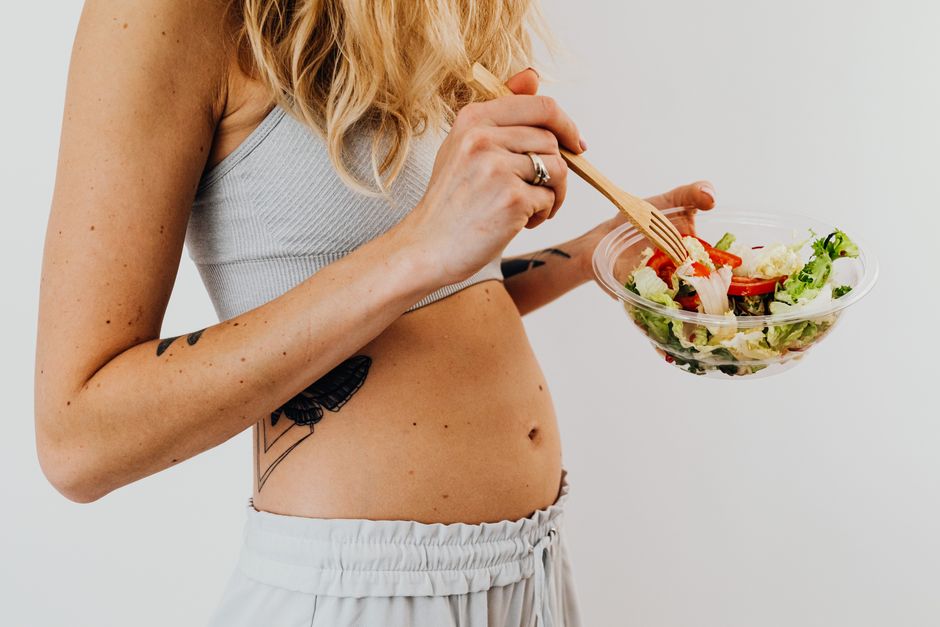
When food poisoning strikes, the fastest relief comes from resting your stomach and replacing lost fluids and minerals. Start with small sips of water or an oral rehydration solution, then gradually add bland foods as you feel ready. Avoid dairy, spicy foods, and anything greasy until your system settles.
What causes food poisoning?
Food poisoning happens when you eat food or drink water contaminated with bacteria, viruses, or parasites. Common culprits include norovirus, salmonella, E. coli, and campylobacter. Symptoms usually appear within hours to a few days after exposure and include nausea, vomiting, diarrhea, stomach cramps, and sometimes fever.
Your body tries to flush out the invader through vomiting and diarrhea. This is why stopping these symptoms too aggressively with medication can sometimes backfire. The illness typically runs its course in one to three days for most healthy adults.
How To Ease Food Poisoning Symptoms Quickly At Home
The most important step is to stay hydrated. Vomiting and diarrhea drain water and electrolytes from your body. Sip clear liquids slowly — water, clear broth, or an oral rehydration solution. Ice chips can also help if you cannot keep liquids down. Avoid sugary drinks, soda, and fruit juice because they can make diarrhea worse.
Rest your digestive system. Do not eat solid food for a few hours after symptoms begin. When you feel ready, start with small amounts of bland, low-fat foods. The BRAT diet — bananas, rice, applesauce, and toast — is a classic choice because these foods are gentle on the stomach. Plain crackers or boiled potatoes also work.
Let your body rest. Fever and diarrhea demand energy, so staying in bed helps your immune system fight the infection. Place a cool cloth on your forehead if you have a fever.
What should you eat and drink?
Clear liquids are best at first. Oral rehydration solutions like Pedialyte or store-brand versions contain the right balance of sugar and salts. You can also make your own by mixing six teaspoons of sugar, half a teaspoon of salt, and one liter of clean water. This is especially useful if you cannot get to a store.
Once vomiting stops and you feel hungry, try small portions of bland foods. Bananas are easy to digest and provide potassium, which can drop during diarrhea. Plain white rice or boiled noodles are also good. Dry toast or crackers can settle your stomach.
Stay away from dairy, fatty foods, spicy dishes, and caffeine until symptoms fully clear. These can irritate your gut and prolong discomfort. Alcohol is also a bad idea because it dehydrates you.



Which over-the-counter medicines are safe?
Some medicines can help, but you need to be careful. Loperamide (Imodium A-D) can stop diarrhea by slowing gut movement. However, you should not take it if you have a high fever or bloody diarrhea, because those signs point to a bacterial infection that your body needs to flush out. In that case, letting diarrhea run its course is safer.
Bismuth subsalicylate (Pepto-Bismol) can ease nausea and mild diarrhea. It is not recommended for children under 12 or for women in the last stages of pregnancy. Always read the label and stick to the recommended dose. If your symptoms are severe or you are unsure, ask a pharmacist or doctor before taking any medicine.
Antacids or probiotics have not been proven to speed recovery from food poisoning. Some research suggests probiotics may help restore gut bacteria after antibiotics, but evidence for shortening acute food poisoning is limited. Stick to tried-and-true methods first.
When should you see a doctor?
Most cases of food poisoning clear up on their own within a few days. But certain warning signs require medical attention. Call a doctor if you have:
- Blood in your stool or vomit
- Diarrhea that lasts more than three days
- Inability to keep any liquids down for more than 24 hours
- Signs of severe dehydration: dry mouth, dark urine, dizziness, or little to no urination
- High fever above 101.5°F (38.6°C)
- Severe pain in your stomach or rectum
Pregnant women, people over 65, young children, and those with weakened immune systems should contact their doctor sooner. Dehydration can happen faster in these groups. If you are unsure, it is always better to call and ask.
Can you prevent food poisoning?
Good food safety habits lower your risk. Wash your hands, utensils, and cutting boards often, especially after handling raw meat, poultry, or seafood. Cook foods to safe internal temperatures — use a food thermometer. Refrigerate leftovers within two hours (one hour if the air temperature is above 90°F).
Be cautious about risky foods. Avoid raw or undercooked eggs, unpasteurized dairy, and raw shellfish. When eating out, check restaurant health ratings. Wash fruits and vegetables under running water even if you plan to peel them.
No prevention method is 100% foolproof, but these steps sharply reduce your chances of getting sick.
Frequently Asked Questions
Can I drink milk after food poisoning?
No, milk can be hard to digest and may worsen diarrhea. Stick to water, clear broth, or an oral rehydration solution until your symptoms resolve.
How long does food poisoning usually last?
For most healthy adults, symptoms last one to three days. Some cases, especially from certain bacteria, may linger up to a week.
Is it safe to take Imodium for food poisoning?
Only if you do not have a fever or bloody diarrhea. If those signs are present, do not take Imodium because your body needs to clear the infection.
Can I eat greasy food after food poisoning?
No, greasy foods can irritate your stomach and slow recovery. Wait at least 48 hours after symptoms stop before returning to a normal diet.
