
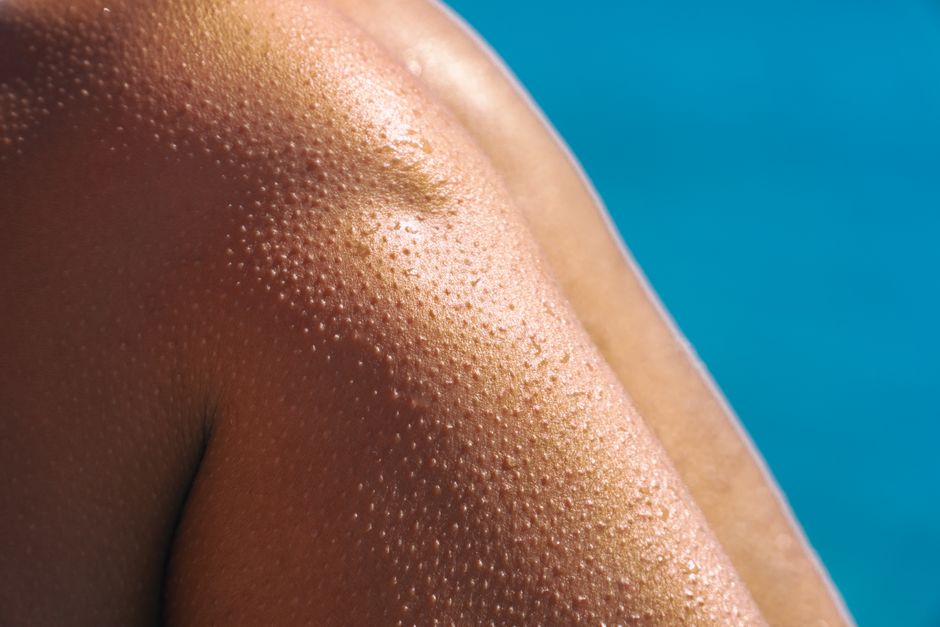
Chafing in the groin area happens when skin rubs against skin or clothing repeatedly. The result is raw, irritated, and sometimes painful skin. For women, this is often caused by thigh friction during exercise, wearing certain fabrics, or simply daily movement. The most effective way to treat it is to stop the irritation immediately, clean the area gently, and create a protective barrier so the skin can heal.
What Exactly Causes Groin Chafing in Women?
Groin chafing is a mechanical injury. It is not an infection or a rash in most cases. The top layer of skin gets worn down by friction. Moisture from sweat or humidity makes this process faster and worse.
Common causes include inner thigh skin rubbing together. This is often called “chub rub.” Tight clothing like workout leggings or denim seams can also create friction points. Walking or running for long periods is a frequent trigger. According to the American Academy of Dermatology, moisture combined with friction is the primary cause of chafing anywhere on the body.
Another overlooked cause is synthetic underwear. Fabrics like nylon and polyester do not absorb moisture well. They trap sweat against the skin, which softens the outer layer of skin and makes it more vulnerable to damage.
How To Treat Chafing In Groin Area Female: Immediate Steps
The first step is to remove whatever is causing the friction. If you are wearing tight pants or workout gear, change into loose cotton shorts or a skirt. Do not wait until you get home. Continuing activity with chafed skin makes the damage worse and increases the risk of infection.
Clean the area with lukewarm water and a mild, fragrance-free cleanser. Pat dry with a soft towel. Do not rub. Rubbing removes more of the damaged skin cells and delays healing.
Apply a barrier ointment after drying. Petroleum jelly (Vaseline) is the most studied and reliable option. Research published in the Journal of Wound Care found that petroleum-based barriers reduce friction and allow the skin to re-epithelialize faster. Zinc oxide paste (the same ingredient in diaper rash cream) also works well because it creates a thick, water-repellent layer.
Do not use alcohol-based wipes, hydrogen peroxide, or antibiotic ointments like Neosporin on unbroken skin. These can irritate the area further and slow healing. Only use antibiotic cream if the skin is actually broken and you see signs of infection such as redness spreading, warmth, or pus.
What Products Actually Work for Prevention and Healing?
Not all products marketed for chafing are equally effective. Some are overpriced versions of basic ingredients. Here is a comparison of common options based on what the evidence actually shows:
| Product Type | Key Ingredient | What Evidence Says | Best For |
|---|---|---|---|
| Petroleum jelly | Petrolatum | Strong evidence for reducing friction and aiding healing | Post-chafing treatment and prevention |
| Zinc oxide cream | Zinc oxide | Well-established barrier protection, also anti-inflammatory | Severe chafing, broken skin |
| Anti-chafe balms (e.g., Body Glide) | Dimethicone, waxes | Some studies suggest they reduce friction effectively, less greasy | Prevention during exercise |
| Coconut oil | Fatty acids | Widely claimed but limited clinical evidence for chafing specifically | Mild irritation, not for broken skin |
| Cornstarch or baby powder | Starch, talc | Can absorb moisture but may increase friction when wet | Not recommended for groin area |
For daily prevention, a silicone-based anti-chafe stick is practical because it dries clear and does not stain clothing. For healing chafed skin, petroleum jelly or zinc oxide cream is more effective because they stay on the skin longer.


What to Avoid When You Have Groin Chafing
Several popular remedies can make chafing worse. Avoid them even if they are widely recommended online.
Do not use scented lotions, perfumed body sprays, or essential oils on chafed skin. Fragrances are common irritants. A study in the journal Dermatitis found that fragrance is one of the most frequent causes of contact dermatitis in the genital area.
Do not apply heat packs or ice directly to chafed skin. Heat increases inflammation and can worsen the burn-like sensation. Ice can cause frostbite on already damaged skin. If you want to cool the area, use a cool, damp cloth for five minutes at a time.
Do not wear tight underwear or thongs while the skin is healing. Thongs create constant friction along the labia and inner thighs. Switch to cotton, seamless, or moisture-wicking underwear until the skin is fully healed.
Do not keep exercising through the pain. Rest is part of treatment. Continuing to run or cycle with active chafing can turn a surface irritation into a deeper wound that takes weeks to heal.
When Should You See a Doctor About Groin Chafing?
Most groin chafing resolves on its own within two to four days with proper care. But some cases need medical attention. You should see a healthcare provider if any of the following happen.
Signs of infection include redness that spreads beyond the chafed area, warmth to the touch, pus or yellow drainage, or a fever over 100.4°F. The CDC notes that skin infections in the groin area can progress quickly because of the warm, moist environment.
If the chafing does not improve after one week of consistent care, it may not be chafing at all. Conditions like intertrigo, a yeast infection, or lichen sclerosus can look similar to chafing but require different treatment. Intertrigo is a fungal infection that thrives in skin folds. It often appears as a bright red rash with small bumps at the edges. Yeast infections cause itching and a thick white discharge. Lichen sclerosus causes white, thin patches of skin that tear easily.
If you have diabetes, you should be more cautious. High blood sugar slows wound healing and increases infection risk. The American Diabetes Association recommends checking any skin irritation in the groin area daily if you have diabetes.
How to Prevent Groin Chafing Long Term
Prevention is more effective than treatment. Once you know your triggers, you can avoid most chafing episodes entirely.
Wear moisture-wicking fabrics during exercise. Look for materials labeled “performance” or “technical” that pull sweat away from the skin. Cotton holds moisture and makes chafing worse. A 2019 study in the Journal of Textiles and Fibrous Materials found that polyester-based moisture-wicking fabrics reduced skin friction by 40% compared to cotton during exercise.
Apply a barrier product before activity, not after. If you know you will be walking, running, or cycling for more than 30 minutes, apply petroleum jelly or an anti-chafe stick to the inner thighs and groin crease before you start. This prevents friction before it damages the skin.
Keep the area dry. After showers or swimming, pat the groin area completely dry. You can use a hair dryer on a cool setting to ensure no moisture remains in the skin folds. Some women find that using a small amount of antifungal powder (like miconazole powder) helps keep the area dry and prevents fungal overgrowth.
Wear properly fitted clothing. Seams that sit directly on the groin crease are a common source of chafing. Look for leggings and shorts with flat seams or seamless construction. Bike shorts with a padded chamois can also reduce friction if worn alone without underwear.
Lose weight if excess body weight contributes to thigh rubbing. This is a sensitive topic, but it is a real factor. Research in the journal Obesity Reviews found that women with a higher BMI report significantly more groin chafing due to increased thigh friction. Even modest weight loss of 5-10% can reduce the frequency of chafing episodes for some women.
Common Misconceptions About Groin Chafing
One widespread myth is that chafing is caused by poor hygiene. This is not true. Chafing is a mechanical injury, not a cleanliness issue. Over-washing the area with harsh soaps actually makes it worse by stripping the skin of natural oils that reduce friction.
Another misconception is that all rashes in the groin area are chafing. Many women treat what they think is chafing with barrier creams for weeks, only to find out it was a yeast infection or contact dermatitis. If a barrier cream does not improve the irritation within three days, consider another cause.
Some people believe that shaving the groin area prevents chafing. The opposite is often true. Shaving creates micro-cuts and ingrown hairs that become irritated with friction. The stubble that grows back is rough and can increase friction against the other thigh. If you choose to remove hair, trimming with scissors or an electric trimmer is less irritating than shaving with a razor.
Finally, there is a belief that chafing only happens to overweight women or athletes. This is false. Chafing can happen to any woman with any body type. It depends on anatomy, clothing fit, activity level, and how much you sweat. Thin women who run marathons get chafing. Curvy women who walk to work get chafing. It is a normal mechanical response to friction, not a sign of being out of shape.
Frequently Asked Questions
Can I use Vaseline on chafed skin in the groin area?
Yes. Vaseline is one of the most effective treatments for chafed skin. It creates a protective barrier that reduces further friction and allows the skin to heal.
How long does groin chafing take to heal in women?
Mild chafing usually heals in two to four days with proper care. More severe chafing with broken skin can take up to one week to fully heal.
Is it safe to exercise with groin chafing?
No. Exercising with active chafing increases damage and slows healing. Wait until the skin is fully healed, usually two to four days, before resuming the activity that caused it.
What is the best fabric to wear to prevent groin chafing?
Moisture-wicking synthetic fabrics like polyester or nylon blends are best. Cotton absorbs sweat and increases friction, making chafing more likely.
