
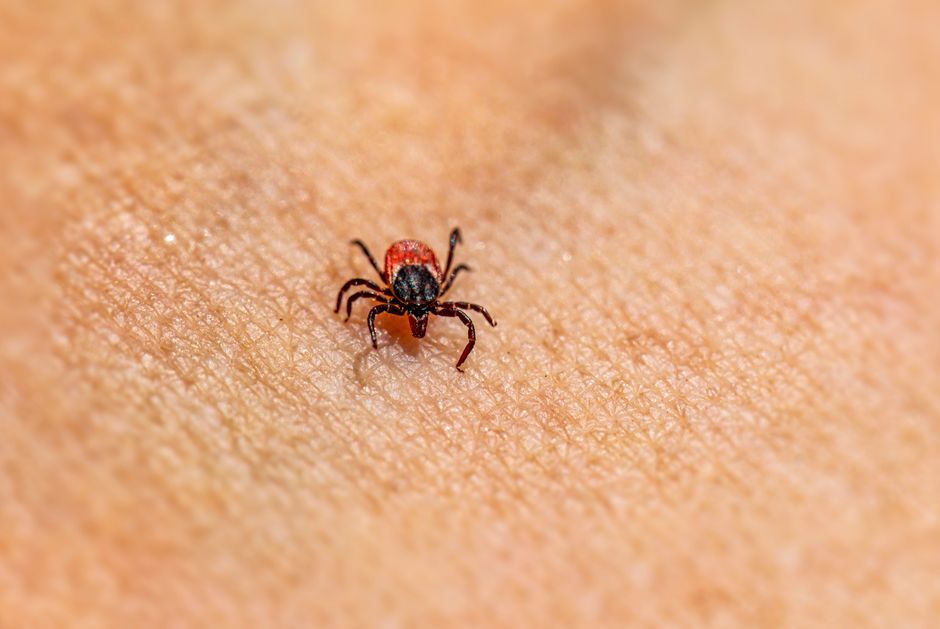
Flea bites on humans are small, red, itchy bumps that usually appear in clusters on the lower legs and feet. To treat them, start by washing the area with soap and water to reduce infection risk. Then apply an over-the-counter anti-itch cream like hydrocortisone 1% or calamine lotion. If itching is severe, an oral antihistamine can help. Avoid scratching to prevent broken skin and secondary infections. Keep the affected area clean and cool.
What Do Flea Bites Look Like?
Flea bites typically show up as small, red bumps with a single puncture point in the center. They often appear in groups of three or four — sometimes described as a “breakfast, lunch, and dinner” pattern. The bites are most common on the ankles and lower legs, but they can occur anywhere fleas have access to skin.
Unlike mosquito bites, flea bites tend to stay small and may develop a red halo around them. They itch intensely and can become swollen or sore if scratched. Some people develop a mild allergic reaction with more prominent welts or blisters. If you see bites in a linear cluster and you have pets, fleas are a likely cause.
How Can You Treat Flea Bites On Humans?
Treatment focuses on relieving itch and preventing infection. Here are the steps that are most effective:
- Wash the area. Use mild soap and cool water. This removes saliva and debris that can worsen irritation.
- Apply a cold compress. A wrapped ice pack or cool cloth reduces swelling and numbs the itch.
- Use an over-the-counter hydrocortisone cream (1%). This reduces inflammation and itching. Apply a thin layer up to twice daily.
- Try calamine lotion. It dries the bite and soothes the skin.
- Take an oral antihistamine. Diphenhydramine (Benadryl) works well but can cause drowsiness. Non-drowsy options like loratadine (Claritin) may be less effective for itch but are worth trying if sedation is a concern.
- Avoid scratching. Scratching breaks the skin and can lead to bacterial infection (impetigo or cellulitis). Keep fingernails short and consider covering bites with a bandage overnight.
For most people, these treatments are enough. Do not use rubbing alcohol or hydrogen peroxide — they can delay healing without proven benefit. If the bites do not improve after a few days or worsen, stop home treatment and seek medical advice.
How Long Do Flea Bites Last?
Flea bites usually heal on their own within one to two weeks. The intense itching typically fades after a few days if you do not scratch. If you scratch and break the skin, healing may take longer — up to three weeks — and infection is more likely.
In people with sensitive skin or a flea allergy, the reaction can last longer and may require prescription treatment. Keep in mind that new bites will keep appearing if the source of fleas is not eliminated from your home or pets. The timeline for healing assumes no further bites occur.





How Can You Stop Flea Bites From Itching?
Itching from flea bites is caused by the flea’s saliva, which contains proteins that trigger a mild allergic reaction. To stop the itch:
- Use a cold compress for 10 to 15 minutes several times a day.
- Apply hydrocortisone cream or calamine lotion as needed.
- Take an oral antihistamine — especially at night if itching keeps you awake.
- Soak in a cool bath with colloidal oatmeal (or plain oats in a sock) — this can calm widespread bites.
- Keep the bites moisturized with an unscented lotion, but avoid heavy creams that trap heat.
No home remedy has strong evidence for stopping flea itch faster than these basic steps. Baking soda paste and tea tree oil are commonly suggested but have not been well studied for flea bites specifically. If itching is severe and does not respond to OTC options, a doctor can prescribe a stronger topical steroid or antihistamine.
When Should You See a Doctor for Flea Bites?
Medical attention is needed if you develop signs of infection: increasing redness, warmth, pus, or red streaks spreading from the bite. A fever or swollen lymph nodes near the bites also requires evaluation. People with a history of severe allergic reactions should watch for hives, difficulty breathing, or swelling of the face or throat — these are emergencies.
If you have many bites that cause significant discomfort, or if you cannot seem to stop new bites despite treating your home, see a doctor. They may prescribe a higher-strength corticosteroid or an oral antibiotic if infection is present. Fleas can occasionally transmit diseases like typhus or plague in very rare circumstances, but this is not a concern for most people in the United States.
How Can You Prevent Flea Bites?
To prevent flea bites, you must eliminate fleas from your environment. This usually means treating your pets with a veterinarian-recommended flea control product — topical or oral medications that kill adult fleas and interrupt the life cycle. Vacuum your carpets, rugs, and upholstery frequently, especially in areas where pets sleep. Wash pet bedding in hot water weekly.
If you do not have pets but have fleas in your home, rodents or wildlife may be the source. Seal entry points and consider professional pest control. For outdoor exposure, avoid areas with high grass or known flea habitats. Insect repellents containing DEET or picaridin can deter fleas, but they are not as reliable for fleas as for mosquitoes. Treating clothing with permethrin is an option for heavy exposure.
Remember: even with good prevention, a few bites may happen. Treat them promptly, and focus on breaking the flea life cycle to stop recurrence.
Frequently Asked Questions
Can you catch a disease from a flea bite?
Yes, but it is extremely rare in the United States. Fleas can transmit plague, typhus, and cat scratch disease, but these cases are very few. Routine flea bites do not require concern unless you develop fever or unusual symptoms.
Should I use antibiotic ointment on flea bites?
Only if the bite develops signs of infection, like pus or increasing redness. For clean bites, antibiotic ointment is not necessary and may irritate the skin. Wash with soap and water instead.
Do flea bites spread if you scratch them?
Scratching does not spread the bite itself, but it can damage the skin and allow bacteria in, causing a secondary infection. New bites only appear if you are still exposed to fleas.
What home remedy works best for flea bites?
Cold compresses and hydrocortisone cream are the most reliable. Oatmeal baths help for many bites. Other home remedies like vinegar or baking soda have little evidence behind them but are generally safe if used carefully.
