
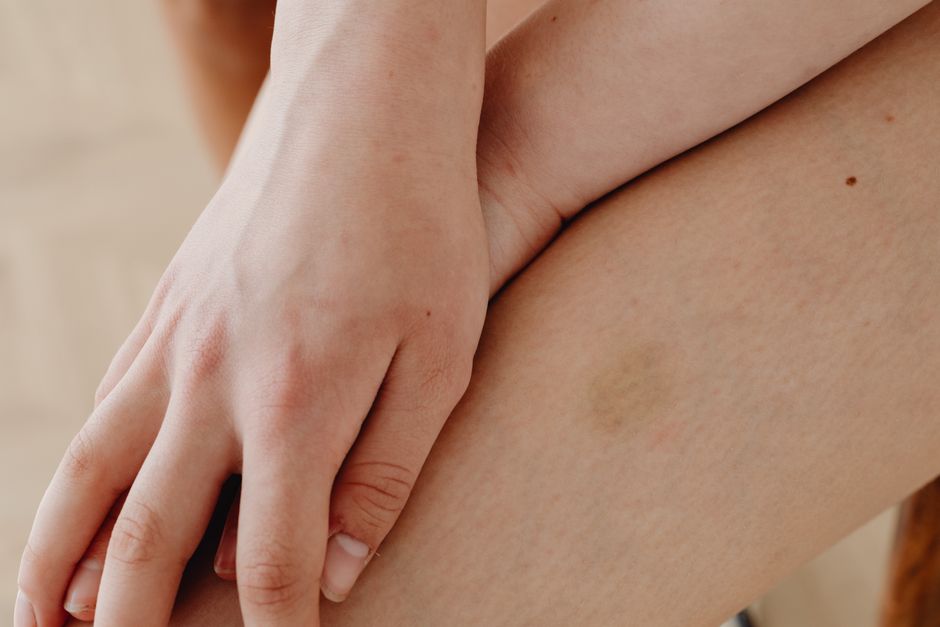
Thigh chafing happens when skin rubs against skin repeatedly, often during walking, running, or even just wearing certain clothes on a hot day. The result is a painful, red, irritated patch that can make moving uncomfortable for days. To treat thigh chafing effectively, you need to clean the area gently, apply a barrier product to protect the skin, and let it heal by reducing friction in that spot until the irritation fades.
What Exactly Causes Thigh Chafing?
Chafing is a friction burn. When your inner thighs rub together, the constant motion wears down the top layer of skin. Moisture from sweat makes this worse because wet skin has more drag than dry skin.
Heat and humidity are major triggers. The CDC notes that heat-related skin problems spike during summer months, and chafing is one of the most common. Salt from sweat also irritates broken skin, which is why chafed areas can sting so badly.
Body shape plays a role too. People with larger thighs or a narrower gait tend to experience more inner-thigh contact. But even lean runners get chafed thighs when conditions are right. It is not about weight — it is about friction.
Clothing matters more than most people realize. Loose shorts that ride up expose bare skin. Seams that sit directly on the inner thigh create a rubbing point. Cotton holds moisture against the skin, which increases chafing risk compared to moisture-wicking fabrics.
How To Treat Thigh Chafing Once It Starts
Stop the activity that caused it. If you keep running or walking while chafed, the damage gets worse and healing takes longer. Give the skin at least 24 to 48 hours of low-friction rest.
Clean the area with mild soap and lukewarm water. Pat dry — do not rub. Rubbing a chafed patch with a towel can peel off healing skin and make the pain worse.
Apply a barrier ointment. Petroleum jelly is the most studied option. Research published in the Journal of the American Academy of Dermatology supports petroleum-based products for protecting irritated skin during healing. Zinc oxide cream, the same ingredient in diaper rash treatments, also works well because it forms a protective layer and has mild anti-inflammatory properties.
Let the area breathe at night. Sleeping without underwear or in loose cotton shorts allows air circulation, which speeds healing. If the chafing is severe, a thin layer of antibiotic ointment like bacitracin can prevent infection, but this is rarely necessary for mild cases.
What Research Shows About Preventing Thigh Chafing
The strongest evidence points to friction-reducing products applied before activity. A 2019 study in Sports Medicine reviewed multiple barrier products and found that petroleum jelly and silicone-based balms both significantly reduced skin friction during exercise. The silicone products lasted longer because they did not absorb into the skin as quickly.
Compression shorts or bike shorts are the most reliable non-chemical prevention method. By creating a fabric barrier between your thighs, they eliminate skin-on-skin contact entirely. The American Academy of Dermatology recommends moisture-wicking compression gear for anyone who gets chafing regularly.
Powders are less effective than most people think. Talcum powder and cornstarch absorb moisture initially, but they clump when mixed with sweat. Clumped powder can actually increase friction. If you prefer powder, reapply it every hour during activity.
Anti-chafing balms sold as sticks or creams have mixed evidence. Some contain ingredients like dimethicone or cyclomethicone, which are silicone-based and create a slick surface. These work for many people, but no large-scale clinical trial has compared them head-to-head against simple petroleum jelly.



How To Treat Thigh Chafing vs. Similar Skin Conditions
Thigh chafing is often confused with jock itch or intertrigo. They look similar but require different treatment.
| Condition | Cause | Key Difference | Treatment |
|---|---|---|---|
| Chafing | Friction | Red, raw skin without defined edges | Barrier cream, rest, compression |
| Jock itch | Fungal infection | Red ring with raised border, itching | Antifungal cream, keep dry |
| Intertrigo | Moisture + bacteria/yeast | Deep red, weepy, foul smell | Antifungal + barrier cream, see doctor |
If your thigh irritation has a raised border or does not improve after three days of barrier cream and rest, it may be fungal. Over-the-counter clotrimazole cream is appropriate for suspected jock itch. If the skin is weeping, blistered, or hot to the touch, see a doctor — that could be a bacterial infection requiring prescription treatment.
One non-obvious point: chafing that keeps happening in the exact same spot can lead to post-inflammatory hyperpigmentation. The skin darkens over time from repeated injury. This is cosmetic and fades on its own once chafing stops, but it can take months. Prevention matters more here than treatment.
Products That Actually Help Heal Chafed Thighs
Not everything marketed for chafing is worth buying. Here is what the evidence supports:
- Petroleum jelly — cheap, well-studied, effective for both prevention and healing. Reapply after washing.
- Zinc oxide cream — thicker than petroleum jelly, stays on longer, reduces inflammation. Good for overnight use.
- Silicone-based balms — last longer during exercise than petroleum jelly. Products with dimethicone as the first ingredient are best.
- Hydrocortisone cream (1%) — reduces redness and itching. Use only for 2-3 days. Prolonged use thins the skin.
- Aloe vera gel — soothes the sting but does not provide a barrier. Use it after cleaning, then apply a barrier on top.
Avoid products with fragrance, alcohol, or menthol on chafed skin. These ingredients sting and can delay healing by irritating the damaged skin barrier. The “cooling” feeling is actually mild chemical irritation.
Body glide sticks are convenient but not more effective than petroleum jelly. The advantage is less mess, not better results. If convenience matters to you, they are fine. If cost matters, stick with petroleum jelly.
What to Avoid When Treating Thigh Chafing
Do not use baby powder or talcum powder on broken skin. The particles can get into the wound and cause inflammation. The American Academy of Dermatology advises against powder on any open or irritated skin.
Do not apply rubbing alcohol or hydrogen peroxide. These kill bacteria but also damage healthy skin cells needed for healing. Mild soap and water is sufficient for cleaning.
Do not wear the same shorts or pants again without washing them. Bacteria from the previous wear can infect the chafed area. Wash exercise clothes after every use, especially if you have chafed skin.
Do not ignore chafing that keeps returning in the same spot. Repeated chafing can lead to skin thickening or scarring. If you have tried compression shorts and barrier creams but still chafe, see a dermatologist. There may be an underlying skin fold issue or gait problem that needs medical attention.
Frequently Asked Questions
How long does thigh chafing take to heal?
Mild chafing heals in 2 to 3 days with proper care. More severe chafing with broken skin can take up to a week.
Can I exercise with chafed thighs?
It is better to rest until the skin heals. Exercising with active chafing worsens the damage and slows recovery.
What is the best cream for thigh chafing?
Petroleum jelly is the most studied and reliable option. Zinc oxide cream works well for more severe chafing, especially overnight.
Does thigh chafing cause permanent scars?
Rarely. Most chafing heals without scarring, but repeated chafing in the same spot can cause temporary skin darkening that fades over months.
