
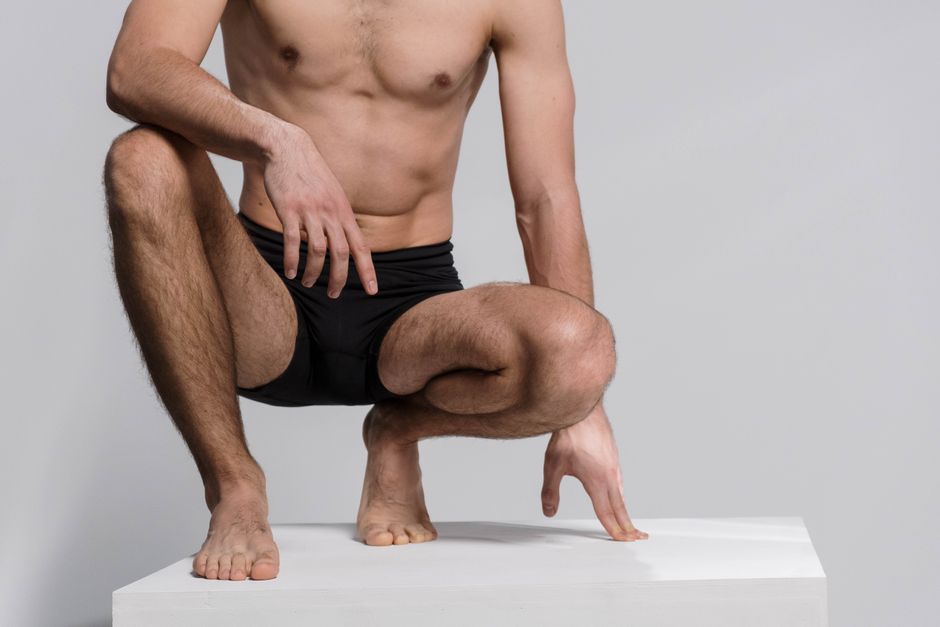
A groin muscle pull happens when the muscles on the inside of your thigh stretch or tear too far. The first step is to stop the activity that caused it. Then apply ice for 15-20 minutes every 2-3 hours during the first 48 hours. Compress the area with an elastic bandage and keep your leg elevated when resting. Most grade 1 pulls heal within 2-3 weeks with proper rest and gentle movement after the initial pain subsides. See a doctor if you cannot walk or if the pain is severe.
How Do I Know If I Pulled My Groin?
The pain usually comes on suddenly during a movement. You might feel a sharp pull or a tearing sensation on the inside of your upper thigh. Common activities that cause it include sprinting, kicking, or changing direction quickly during sports like soccer or hockey.
You may also have swelling or bruising in the area. Walking might be difficult. Pushing your legs together or lifting your knee usually makes the pain worse. The pain can range from mild tightness to a sharp stab that stops you from moving.
Groin pulls are graded by severity. Grade 1 is a mild stretch with little tissue damage. Grade 2 is a partial tear with noticeable pain and some loss of strength. Grade 3 is a complete muscle tear that often requires surgery. Most people experience grade 1 or grade 2 injuries.
If you have numbness, tingling, or pain that shoots down your leg, it may not be a simple groin pull. Those symptoms can point to a nerve issue or a hip problem. A doctor can help rule out other causes with an exam or imaging.
What Should I Do in the First 48 Hours?
The first two days are about controlling swelling and protecting the muscle. Use the RICE method — Rest, Ice, Compression, Elevation. These steps are well supported by clinical guidelines for acute muscle injuries.
Rest means avoiding any movement that causes pain. This does not mean complete bed rest. You can walk carefully if it does not hurt. Ice reduces blood flow to the area which limits swelling. Apply an ice pack wrapped in a thin towel for 15-20 minutes at a time. Do not put ice directly on your skin.
Compression with an elastic bandage helps keep swelling down. Wrap it snug but not tight. If your toes turn blue or feel numb the wrap is too tight. Elevation means keeping your leg raised above your heart when possible. Lying on a couch with your leg propped on pillows works well.
Anti-inflammatory medications like ibuprofen can help with pain and swelling. The American Academy of Orthopaedic Surgeons notes that these drugs are most helpful in the first few days. Take them as directed on the label. Avoid aspirin because it can increase bleeding in the injured tissue.
When Can I Start Moving Again?
After the first 48-72 hours the sharp pain should begin to fade. This is the time to start gentle movement. Complete rest for too long can lead to stiffness and muscle wasting. The goal is to reintroduce motion without re-injuring the muscle.
Start with pain-free range of motion. Lie on your back and slowly slide your injured leg out to the side as far as comfortable. Hold for 5 seconds then slide it back. Do 10 repetitions twice a day. If this causes pain stop and rest another day.
Research published in the British Journal of Sports Medicine supports early mobilization for groin injuries. Patients who started gentle stretching and strengthening within the first week recovered faster than those who waited longer. The key is to stay below the pain threshold. No pushing through sharp pain.
Once you can move your leg without pain you can add light strengthening. Squeeze a pillow between your knees for 5 seconds and release. Do 3 sets of 10 repetitions. This activates the adductor muscles without heavy load. Progress gradually over 2-3 weeks.

How To Treat A Groin Muscle Pull With Stretching and Strengthening
Stretching and strengthening are the core of recovery after the acute phase. Do not start these until you can walk without a limp and move your leg through a full range of motion without pain. Pushing too early can turn a grade 1 pull into a grade 2 injury.
For stretching the standing groin stretch is effective. Stand with your feet wider than shoulder-width apart. Shift your weight to the side that does not hurt. Keep the injured leg straight and bend the other knee. You should feel a gentle pull on the inside of the injured thigh. Hold for 20-30 seconds. Repeat 3 times on each side.
For strengthening start with isometric exercises. These involve contracting the muscle without moving the joint. Sit on the floor with your knees bent and feet flat. Place a ball or pillow between your knees. Squeeze for 5 seconds then relax. Do 3 sets of 10 repetitions. A study in the Journal of Orthopaedic & Sports Physical Therapy found that isometric adductor exercises reduced recovery time in athletes by an average of 4 days compared to rest alone.
Once isometrics are easy add concentric exercises. Lie on your side with the injured leg on top. Keep it straight and lift it 6-8 inches toward the ceiling. Lower slowly. Do 3 sets of 10-12 repetitions. This works the inner thigh through a full range of motion. Progress to resistance bands only when you can do this without pain.
What Treatments Should I Avoid?
Some popular treatments for groin pulls have little evidence behind them. Heat therapy during the first 48 hours is a common mistake. Heat increases blood flow which can worsen swelling and pain. Save heat for the later stages of recovery when you are working on flexibility.
Deep tissue massage on the injured area in the first week is also risky. Massage can increase bleeding and inflammation in a freshly torn muscle. Light massage on the surrounding muscles may feel good but avoid direct pressure on the painful spot for at least 5-7 days.
Stretching aggressively is another error. Many people think they need to “stretch out” the tightness. But a pulled muscle is already damaged. Stretching it hard can cause more tearing. Gentle pain-free stretching is fine. Never stretch into pain.
Cortisone injections are sometimes used for stubborn groin pain but they are not a first-line treatment for acute pulls. The American College of Sports Medicine advises against steroid injections for muscle injuries because they can weaken the tissue and increase the risk of re-injury. They are reserved for chronic tendinopathy not fresh muscle tears.
| Grade | Typical Recovery Time | Key Treatment Focus |
|---|---|---|
| Grade 1 (mild stretch) | 2-3 weeks | Rest, ice, gentle stretching after 48 hours |
| Grade 2 (partial tear) | 4-8 weeks | RICE, then progressive strengthening over 4-6 weeks |
| Grade 3 (complete tear) | 3-6 months | Often requires surgery followed by physical therapy |
How Can I Prevent a Groin Pull From Coming Back?
Groin pulls have a high rate of recurrence. Research from the Scandinavian Journal of Medicine & Science in Sports found that up to 30% of people who have one groin strain will have another within a year. Prevention is not optional if you are active.
Strengthening your adductors year-round is the most effective prevention strategy. The Copenhagen adduction exercise is well studied. It involves lying on your side with your top leg bent and foot on the floor in front of your bottom leg. Lift your bottom leg off the ground using your inner thigh. A 2017 study in the American Journal of Sports Medicine showed that soccer players who did this exercise twice a week had a 41% lower rate of groin injuries.
Warming up properly before activity also matters. A dynamic warm-up with leg swings, lunges, and light jogging prepares the muscles for explosive movement. Static stretching before exercise does not prevent injury and may actually reduce power output. Save static stretches for after your workout.
Gradually increase your activity level. Going from no exercise to full-speed sprinting in one week is a recipe for a groin pull. Follow the 10% rule — do not increase your training volume or intensity by more than 10% per week. This gives your muscles time to adapt.
When Should I See a Doctor?
Most groin pulls do not require a doctor visit. But some situations need professional evaluation. If you cannot put any weight on your leg, if there is a large bruise, or if the pain does not improve after 5-7 days of home treatment, make an appointment.
A doctor can confirm the diagnosis and rule out other problems. Hip labral tears, sports hernias, and stress fractures can mimic groin pulls but require different treatment. An MRI can show the exact location and severity of the muscle tear.
Physical therapy is very effective for groin injuries that are slow to heal. A physical therapist can design a progressive program tailored to your specific deficits. They can also identify muscle imbalances that may have caused the injury in the first place.
Returning to sport too early is the most common reason for re-injury. The International Olympic Committee recommends that athletes be pain-free with full range of motion and at least 90% strength in the injured leg compared to the uninjured leg before returning to full activity. That standard applies to non-athletes too if you want to avoid a second injury.
- Stop activity immediately when you feel groin pain
- Apply ice for 15-20 minutes every 2-3 hours for the first 48 hours
- Use compression and elevation to control swelling
- Start gentle movement after 48-72 hours if pain allows
- Progress to strengthening only when pain-free range of motion is restored
- Return to full activity gradually to prevent re-injury
Frequently Asked Questions
Can I walk on a pulled groin muscle?
Yes if you can walk without severe pain. Limping places extra strain on the injured muscle and should be avoided. If walking hurts badly rest another day or two before trying again.
How long does a groin pull take to heal?
A mild groin pull usually heals in 2-3 weeks. A moderate tear can take 4-8 weeks. Complete tears may require several months and sometimes surgery.
Should I use heat or ice for a groin pull?
Use ice for the first 48-72 hours to reduce swelling. Heat can be used after the acute phase to relax tight muscles before stretching. Never use heat when the area is still swollen or painful.
Can I stretch a pulled groin muscle?
Gentle pain-free stretching is fine after the first 48 hours. Never stretch into sharp pain as this can worsen the tear. If stretching hurts stop and rest another day.
