
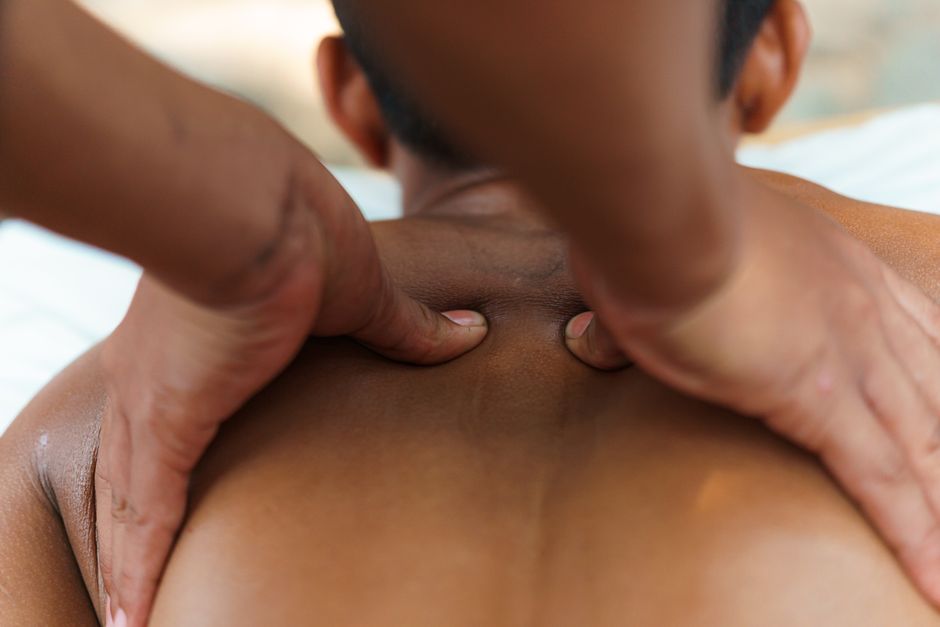
A back muscle spasm is a sudden, involuntary contraction of one or more muscles in your back. It can feel like a knot, a sharp stab, or a deep ache. The muscle tightens and will not relax, and the pain can range from mildly annoying to completely immobilizing. The most direct way to treat an acute back spasm is to apply ice for the first 48 hours, then switch to heat, while taking over-the-counter anti-inflammatory medication and avoiding heavy activity. After the initial spasm subsides, gentle movement and targeted stretches are the most effective ways to prevent the muscle from seizing up again.
What Causes a Back Muscle Spasm?
A spasm is your body’s emergency brake. When a muscle is strained, overstretched, or irritated, the nervous system sends a signal to contract the area. This contraction protects the deeper structures of the spine from further injury. The problem is that the contraction often continues long after the initial threat is gone.
Common triggers include lifting something heavy with poor form, a sudden awkward twist, or sitting in one position for hours. Weak core muscles are a major factor because they force the lower back muscles to do work they were never designed to do. Dehydration and electrolyte imbalances can also increase the likelihood of muscle cramping, though this is more common in the legs than the back.
In most cases, the spasm is a mechanical issue related to muscle strain. However, a spasm can also be a symptom of an underlying spinal condition, such as a herniated disc or spinal stenosis. If the spasm comes with numbness, tingling, or pain shooting down the leg, the problem is likely involving a nerve root, not just the muscle itself.
Should You Use Ice or Heat First?
The standard rule is straightforward: use ice for the first 48 hours after the spasm begins. Ice reduces blood flow to the area, which limits inflammation and swelling. It also numbs the nerve endings, which provides immediate pain relief. Apply an ice pack wrapped in a thin towel for 15 to 20 minutes at a time, several times a day. Never place ice directly on the skin, as this can cause frostbite.
After the first two days, switch to heat. Heat increases blood flow to the muscle, which brings oxygen and nutrients that aid healing. It also relaxes tight muscle fibers and can ease the stiffness that often follows the initial injury. Use a heating pad on a low or medium setting for 15 to 20 minutes. Do not use heat while sleeping, and do not use it on skin that is already swollen or bruised.
Some people find alternating ice and heat to be helpful. This is called contrast therapy. It creates a pumping effect in the blood vessels, which can reduce inflammation while promoting circulation. If you try this, always end with the cold application to keep swelling down.
Over-the-Counter Medication for Spasms
Nonsteroidal anti-inflammatory drugs (NSAIDs) like ibuprofen (Advil, Motrin) or naproxen (Aleve) are the first-line medication for back spasms. These drugs reduce the inflammation that is driving the muscle contraction. Acetaminophen (Tylenol) can help with pain but does not reduce inflammation, so it is generally less effective for this specific problem.
If the spasm is severe, some doctors recommend muscle relaxants. These are prescription medications that act on the central nervous system to reduce muscle tone. They can be effective, but they also cause drowsiness and are not meant for long-term use. Do not combine a muscle relaxant with alcohol or other sedatives.
Always follow the dosing instructions on the label. Do not take NSAIDs for more than 10 consecutive days without checking with a doctor, as long-term use can irritate the stomach lining and affect kidney function.





Movement and Stretching After the Initial Pain Passes
Complete bed rest is outdated advice. While you should avoid heavy lifting and twisting for the first couple of days, you should not lie flat for extended periods. Muscles weaken quickly when they are not used, and a weak muscle is more likely to spasm again.
As soon as you can tolerate it, begin gentle movement. Simple activities like walking on a flat surface can help keep the blood flowing without putting strain on the back. The goal is to move enough to prevent stiffness, but not so much that you aggravate the injury.
Targeted stretching can help once the acute pain has subsided. The knee-to-chest stretch is a safe place to start. Lie on your back, bring one knee toward your chest, and hold for 20 to 30 seconds. Repeat on the other side. The pelvic tilt is another low-impact option. Lie on your back with your knees bent, flatten your lower back against the floor, hold for a few seconds, and release. These stretches gently lengthen the lower back muscles without forcing them into a painful range of motion.
If a stretch increases your pain, stop immediately. Some discomfort during a stretch is normal, but sharp or shooting pain is a sign that you are pushing too hard.
How To Treat Back Muscle Spasms Ice Heat More: The Full Approach
The most effective treatment combines several strategies at once. Ice controls the initial inflammation, heat relaxes the muscle in the recovery phase, and anti-inflammatory medication addresses the chemical drivers of the spasm. But these are only the first steps.
Posture correction is essential. Most people who experience recurring back spasms have a pattern of sitting or standing that puts constant low-level stress on the lumbar spine. When you sit, keep your feet flat on the floor and place a small cushion or rolled towel behind your lower back. When you stand, keep your weight evenly distributed on both feet rather than shifting to one hip.
Hydration matters more than most people realize. Muscle tissue is roughly 75 percent water. Even mild dehydration can impair muscle function and increase the risk of cramping. Drink water consistently throughout the day, not just when you feel thirsty.
Sleep position also plays a role. Sleeping on your stomach forces your neck and lower back into an extended position that can trigger spasms. Sleeping on your side with a pillow between your knees keeps your spine in a neutral alignment. If you sleep on your back, place a pillow under your knees to reduce the curve in your lower back.
When Should You See a Doctor?
Most back spasms resolve within one to two weeks with conservative care. However, certain symptoms require prompt medical evaluation. Seek care if the spasm is accompanied by numbness or tingling in the groin area, weakness in the legs, or loss of bladder or bowel control. These can be signs of cauda equina syndrome, a rare but serious condition that requires emergency surgery.
You should also see a doctor if the pain does not improve after two weeks of home treatment, if the pain is severe enough that you cannot stand up straight, or if the spasm follows a fall or direct blow to the back. A doctor can order imaging studies to rule out a fracture or disc herniation and can prescribe stronger medication if needed.
Fever, unexplained weight loss, or pain that is worse at night are red flags that the problem may not be muscular. These symptoms warrant a full medical workup.
Preventing Future Back Spasms
Once a muscle has spasmed, it is more likely to do so again. Prevention requires addressing the underlying weakness that made the muscle vulnerable in the first place.
Core strengthening is the single most effective preventive measure. The core includes the abdominal muscles, the obliques, the pelvic floor, and the muscles along the spine. These muscles work together to stabilize the spine during movement. When they are weak, the spine relies on passive structures like ligaments and discs for support, which leads to strain.
Planks, bird dogs, and glute bridges are all effective core exercises that do not require equipment. Start with short holds and gradually increase the duration. Consistency matters more than intensity. A 10-minute core routine performed three times a week is more beneficial than a grueling session once a month.
Ergonomics at work are equally important. If you work at a desk, adjust your chair height so your elbows are at a 90-degree angle when typing. Your monitor should be at eye level so you are not craning your neck forward. Take a short break to stand and walk every 30 to 60 minutes.
Frequently Asked Questions
How long does a back muscle spasm last?
Most acute back spasms improve significantly within 48 to 72 hours and fully resolve within one to two weeks. If the spasm persists beyond two weeks, seek medical evaluation.
Is it better to rest or stay active during a back spasm?
Avoid heavy lifting and twisting for the first two days, but do not stay in bed. Gentle walking and light movement prevent stiffness and keep the muscles from weakening.
Can a heating pad make a back spasm worse?
Heat can worsen a spasm if used during the first 48 hours while the area is still inflamed. Use ice initially, then switch to heat once the acute swelling has subsided.
What is the fastest way to stop a back spasm?
Applying an ice pack for 15 to 20 minutes and taking an NSAID like ibuprofen is the fastest way to reduce the inflammation driving the spasm. Move gently to avoid locking up the muscle further.
