
A back spasm can stop you mid-step. The muscles along your spine clamp down hard, and moving feels impossible. The fastest way to deal with one is to stop the activity, find a comfortable position, and apply ice for the first 24 to 48 hours to reduce inflammation and pain. After that, switch to heat to relax the tightened muscle. Gentle movement often helps more than bed rest, and most spasms ease within a few days to a couple of weeks.
What follows is what actually helps, what the evidence supports, and what to skip. Some of it is well established. Some of it is common practice without strong proof. This article separates the two.
What Actually Causes a Back Spasm?
A spasm is a sudden, involuntary contraction of muscle. In the back, it is usually the body’s response to something else — not a problem starting in the muscle itself.
The most common trigger is a strain. You lift something awkwardly, twist, or move suddenly, and small muscle fibers or ligaments get stretched or torn. The surrounding muscles tighten to protect the area. That protective tightening is the spasm you feel.
Other causes are less about injury and more about irritation:
- Nerve irritation. A bulging or herniated disc, or a narrowed space in the spine, can press on a nerve root. The muscle responds by guarding.
- Poor posture and prolonged sitting. Long stretches in one position can leave muscles tight and prone to sudden contraction.
- Deconditioning. Weak core and back muscles give less support, which some research links to higher strain risk.
- Kidney problems. Kidney stones and kidney infection can cause severe flank and back pain that people mistake for a muscle spasm. This is a key distinction — see the warning signs below.
One clarification worth knowing: a true muscle spasm is brief and involuntary. Many people use the word to describe a longer stretch of tight, aching pain. Those are often different things, and the second is more often a strain or joint issue than a literal spasm.
How To Deal With Back Spasms Fast Ice Heat And More
Ice first, then heat. That is the standard sequence for a new injury, and it is based on how tissue responds to cold and warmth.
Cold narrows blood vessels and reduces swelling and numbing pain. Warmth increases blood flow and relaxes muscle. The timing matters more than the exact tool.
The first 24 to 48 hours: cold
Apply an ice pack wrapped in a thin cloth for about 15 to 20 minutes at a time. Never put ice directly on skin. Repeat every few hours as needed. Cold reduces the inflammatory response in fresh tissue, which is why it comes first.
After 48 hours: heat
Switch to a heating pad, warm shower, or heat wrap once the acute phase passes. Heat relaxes the muscle and can ease the guarding that keeps the spasm going. Use moderate heat for 15 to 20 minutes and never fall asleep on a heating pad — burns from prolonged heat are a real and preventable injury.
What else helps right away
- Stop and rest briefly. A day or two of reduced activity is reasonable. Longer bed rest tends to make back pain worse, not better.
- Find a comfortable position. Lying on your side with a pillow between your knees, or on your back with a pillow under your knees, often reduces strain.
- Over-the-counter pain relievers. Nonsteroidal anti-inflammatory drugs and acetaminophen are commonly used. Follow the label exactly. NSAIDs are not appropriate for everyone — people with kidney disease, stomach ulcers, or certain heart conditions should check with a clinician first.
- Gentle movement. Once the sharpest pain settles, short walks and gentle range-of-motion help more than staying still.
A note on muscle relaxants: they are sometimes prescribed for short-term spasm relief. The evidence for them is modest, and they cause drowsiness. They are not a first-line self-treatment.
Ice or Heat — Which One Should You Use?
The choice depends on how fresh the injury is, not on which one feels better in the moment. Here is the practical comparison.
| Timing | Best choice | Why |
|---|---|---|
| First 24–48 hours | Ice | Reduces swelling and numbs acute pain |
| After 48 hours | Heat | Relaxes tight muscle and increases blood flow |
| Ongoing tightness, no swelling | Heat | Eases chronic muscle guarding |
| New sharp pain or swelling | Ice | Cold limits the inflammatory response |
If you are unsure which phase you are in, ask a simple question: is the area swollen, hot, or newly injured? If yes, use ice. Is it tight and stiff with no swelling? Use heat.
Never use heat on an area that is swollen or freshly injured — it can increase swelling. And never use ice on skin with poor circulation or reduced sensation.





When Is Back Spasm a Medical Emergency?
Most back spasms are not dangerous. A small number of symptoms signal something that needs urgent medical attention, and these should never be treated at home.
Seek emergency care for any of the following:
- Loss of bladder or bowel control
- Numbness or weakness in the groin or inner thighs
- Progressive weakness in one or both legs
- Back pain with fever, chills, or unexplained weight loss
- Severe pain after a fall or major trauma
- Back pain with chest pain or shortness of breath
The combination of bladder or bowel changes and groin numbness can indicate a serious nerve condition called cauda equina syndrome. It is uncommon but requires immediate treatment. Do not wait to see if it improves.
Kidney infection is another condition that can mimic a back spasm. Pain that sits in the flank, comes with fever or painful urination, or does not ease with rest and heat deserves a medical evaluation.
What Helps Recovery Beyond Ice and Heat?
Once the acute spasm settles, what you do over the following days and weeks matters more than any single treatment. The goal is to restore normal movement without re-triggering the spasm.
Gentle activity is the backbone of recovery. Research consistently shows that staying active speeds recovery from uncomplicated back pain compared with prolonged rest. Start with short walks and daily movement within your comfort zone.
Physical therapy helps some people, particularly those with recurring spasms or an underlying disc or posture issue. A therapist can identify weak or tight areas and build a plan. The evidence for specific exercise programs is mixed, but supervised activity generally supports recovery.
Reducing prolonged sitting, adjusting your workstation, and building core and back strength over time can lower the chance of repeat episodes. This is prevention, not a fast fix, and it works gradually.
What Does Not Work for Back Spasms?
A lot of what is sold for back pain has little supporting evidence. Knowing what to skip saves time and money.
Bed rest beyond a day or two is one of the most consistently disproven approaches. It slows recovery and weakens muscles. Extended inactivity is not a treatment for back pain.
Back braces and corsets are widely marketed. Some clinicians recommend short-term use for support, but the evidence that they speed recovery or prevent future spasms is limited. They are not a substitute for movement and strengthening.
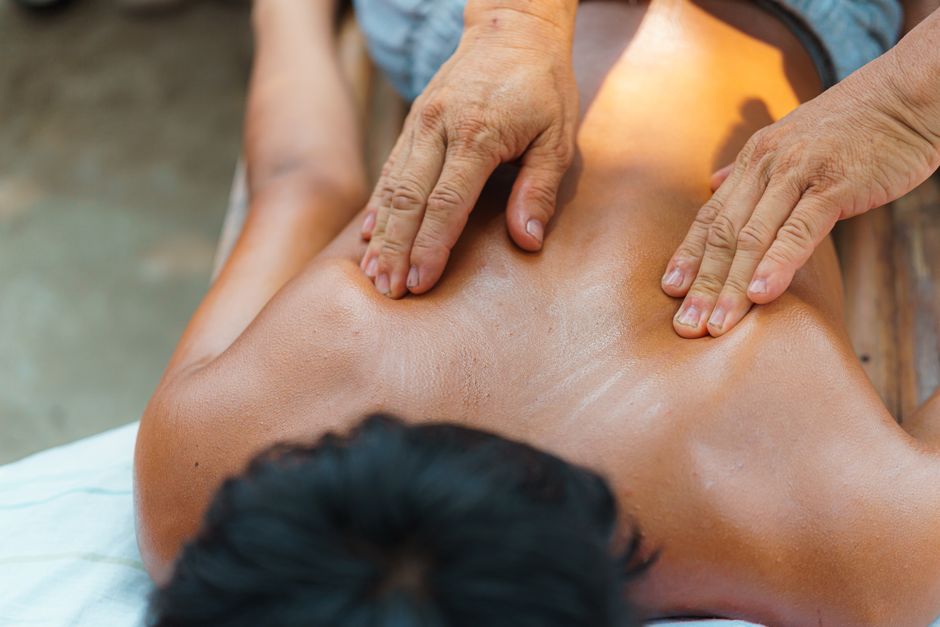
Passive treatments like massage, ultrasound, and electrical stimulation are commonly offered. Some people find massage temporarily soothing, but the evidence that these change recovery time is weak and mixed. They are comfort measures, not cures.
Supplements marketed for muscle or joint health have not been shown in large human trials to treat acute back spasm. Treat any product promising fast spasm relief with skepticism.
Can You Prevent Back Spasms From Coming Back?
Recurrence is common, and prevention is where long-term effort pays off. The evidence is strongest for staying active and building strength.
Regular movement and core strengthening are the most supported strategies. Stronger muscles and better movement patterns reduce strain on the back. This takes weeks to months, not days.
Good lifting mechanics help — bend at the knees, keep the load close, and avoid twisting while lifting. There is debate about how much posture correction alone prevents pain, but reducing prolonged static positions is reasonable.
If spasms keep returning, or come with leg pain, numbness, or weakness, see a clinician. Recurring symptoms can point to an underlying issue that a targeted plan can address.
Frequently Asked Questions
How long does a back spasm usually last?
Most acute back spasms ease within a few days to a couple of weeks with gentle activity and home care. Spasms that last longer or keep returning should be checked by a clinician.
Should I use ice or heat first for a back spasm?
Use ice for the first 24 to 48 hours to reduce swelling and pain, then switch to heat to relax the muscle. Never use heat on a freshly injured or swollen area.
Is it better to rest or move with a back spasm?
Brief rest of a day or two is reasonable, but prolonged bed rest tends to slow recovery. Gentle movement once the sharpest pain settles generally helps more than staying still.
When should I see a doctor for a back spasm?
See a doctor promptly for loss of bladder or bowel control, groin numbness, leg weakness, fever with back pain, or pain after a fall. Most spasms without these signs are not emergencies.
