
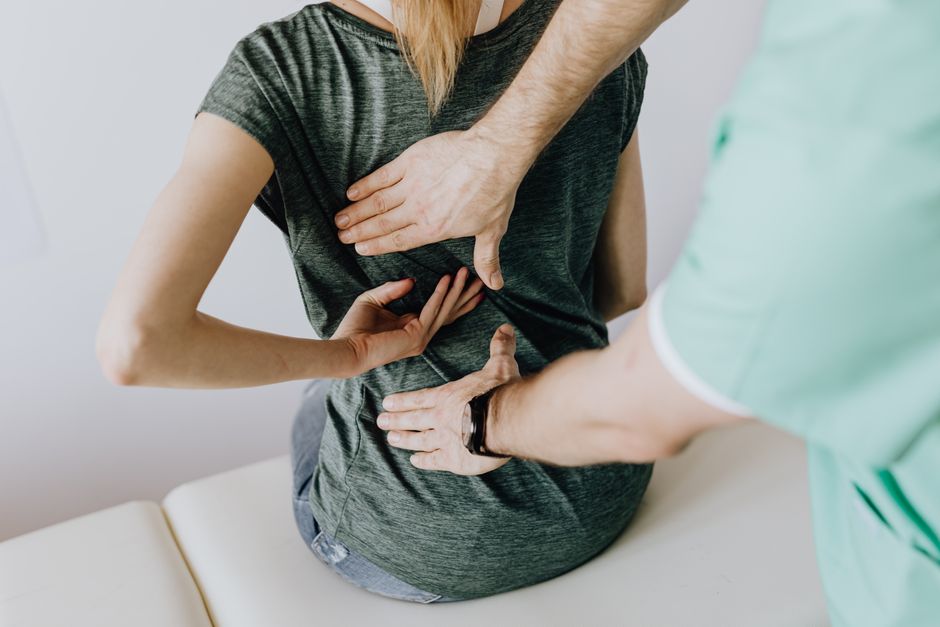
A sneeze is a sudden, forceful event. Air leaves your body fast, and your trunk muscles contract hard to make it happen. That burst of pressure can strain muscles, irritate a nerve, or jar a joint in your spine — and the pain that follows is usually a muscle strain that settles with rest, gentle movement, and time. Most cases improve within days to a few weeks. The bigger issue is prevention, because how you sneeze and how strong your back is both affect whether this happens again.
Why does sneezing cause back pain?
A sneeze is a reflex, not a decision. Your body triggers it automatically, and the muscles of your abdomen and trunk contract sharply to force air out. That contraction raises pressure inside your belly and chest, and your spine absorbs part of that load.
In a healthy back, this is harmless. In a back that is already irritated, the sudden jolt can be enough to cause a problem. The muscles that run along your spine can strain. A disc that is already bulging can press harder on a nearby nerve. A joint can be jarred into an uncomfortable position.
The pain you feel afterward usually falls into one of three patterns:
- Muscle strain. A dull ache or tightness in the lower back that worsens with movement. This is the most common cause.
- Nerve irritation. Sharp, shooting pain that may travel down a leg. This suggests a nerve is involved, not just muscle.
- Joint or disc flare. A sudden catch or stab of pain at a specific spot, often worse when you bend or twist.
One thing worth knowing: the sneeze itself is rarely the true cause. It is usually the final straw on a back that was already vulnerable — from poor posture, weak core muscles, a prior injury, or a disc that was already under strain. The sneeze exposed a problem that was building.
How To Treat And Prevent Back Pain After Sneezing?
Treat the pain first with rest, gentle movement, and over-the-counter pain relief if you need it. Then prevent the next episode by changing how you sneeze and strengthening the muscles that protect your spine.
For the first day or two, avoid heavy lifting and prolonged sitting. Short walks are fine and often help. Heat can ease muscle tightness. If the pain is sharp or travels down your leg, treat it more carefully — see the section on when to get medical help below.
Over-the-counter pain relievers such as acetaminophen or ibuprofen are commonly used for short-term back strain. They can reduce pain, but they do not speed healing. Follow the label, and check with a pharmacist or doctor if you take other medications or have stomach, kidney, or heart conditions.
Prevention comes down to two things: how you sneeze, and how strong and flexible your back is. Both are within your control.
How should you sneeze to protect your back?
Bend forward slightly and brace your core before the sneeze hits. This reduces the jolt your spine absorbs.
You often feel a sneeze coming. In that split second, you can:
- Tighten your abdominal muscles gently, as if bracing for a small push.
- Lean slightly forward from the hips, not by rounding your back sharply.
- Keep your feet planted and avoid twisting.
- Sneeze into a tissue or your elbow, which also limits the spread of germs.
What you should not do is hold a sneeze in by pinching your nose and closing your mouth. Doctors generally advise against this. Holding in a sneeze raises pressure in your airways and can, in rare cases, cause injury to the eardrum or throat. It also does nothing to protect your back.
If you are standing when a sneeze hits, bend your knees slightly. If you are seated, lean forward and let the chair support you rather than stiffening against it. Small adjustments like these reduce the load your lower back takes.




What exercises help prevent back pain from sneezing?
Strengthening your core and back muscles gives your spine more support when sudden forces hit. This is the most reliable long-term prevention.
The muscles that matter most are the deep abdominal muscles, the muscles along the spine, and the glutes. These stabilize your trunk. When they are strong, a sneeze is absorbed rather than transferred straight to your spine.
Exercises that are widely recommended and generally well supported for back health include:
- Walking. Regular walking is one of the most consistently supported activities for back health.
- Planks and modified planks. These build trunk stability without loading the spine heavily.
- Bird-dog exercises. These work the back and core together while teaching balance.
- Bridges. These strengthen the glutes, which support the lower back.
- Gentle stretching. Hip and hamstring flexibility reduces strain on the lower back.
Start slowly. If an exercise causes sharp pain or pain that travels down your leg, stop and speak to a clinician. Building strength takes weeks, not days. Consistency matters more than intensity.
One clarification worth making: a strong core does not mean a six-pack. The deep stabilizing muscles are what support your spine during sudden movements, and they respond to gentle, regular training — not to heavy lifting alone.
When should you see a doctor for back pain after sneezing?
Most sneeze-related back pain settles on its own within a few days to a couple of weeks. Some symptoms need medical attention sooner.
Contact a doctor if you notice:
- Pain that shoots down one or both legs, especially below the knee.
- Numbness, tingling, or weakness in a leg or foot.
- Loss of bladder or bowel control, or numbness in the groin area. This is a medical emergency — seek care immediately.
- Pain that is severe, keeps getting worse, or does not improve after a couple of weeks.
- Fever, unexplained weight loss, or pain that is worse at night.
- A history of cancer, osteoporosis, or long-term steroid use.
Those last two points matter because back pain has many possible causes, and a sneeze is not always the real trigger. A clinician can tell the difference between a simple strain and something that needs imaging or treatment.
What does recovery usually look like?
Simple muscle strain from a sneeze typically improves within days, with most people back to normal activity within a few weeks. Full recovery depends on the underlying cause and your general back health.
In the first 24 to 48 hours, rest but do not stay still for long. Gentle movement helps. Avoid heavy lifting and sudden twisting. Heat or ice can ease discomfort — people respond differently, so use whichever gives you relief.
After the acute pain fades, the priority shifts to prevention. That means addressing the factors that made your back vulnerable in the first place: weak core muscles, prolonged sitting, poor lifting habits, and excess body weight, which increases load on the spine.
If pain keeps returning after sneezes or other sudden movements, that is a signal your back needs more support. A physical therapist can assess your movement patterns and build a plan. This is common clinical practice, and the evidence for exercise-based rehab for recurrent back pain is generally supportive, though results vary from person to person.
Recovery is not a straight line. Some days will feel better than others. That is normal and not a sign that something is wrong.
Frequently Asked Questions
Can sneezing cause a slipped disc?
A sneeze is unlikely to cause a new disc herniation on its own, but it can worsen an existing one or trigger symptoms from a disc that was already bulging. If pain shoots down your leg after a sneeze, get it checked.
How long does back pain from sneezing last?
Most simple muscle strains improve within a few days and settle within a couple of weeks. Pain that lasts longer or travels down a leg should be evaluated by a clinician.
Should I hold in a sneeze to protect my back?
No. Holding in a sneeze raises pressure in your airways and is generally discouraged. Bending slightly forward and bracing your core is a safer way to protect your back.
What is the best sleeping position for back pain after sneezing?
Many people find relief sleeping on their side with a pillow between the knees, or on their back with a pillow under the knees. Choose whatever keeps your spine in a neutral position and lets you sleep.
