

An exhaust burn on your leg is a contact burn from hot metal, usually the tailpipe of a car or motorcycle. The metal is extremely hot, and it can cause a deep burn that may look worse over the first few hours. Treatment starts with immediate cooling: run cool (not ice-cold) water over the burn for at least 10 minutes, remove any clothing near the area unless it is stuck to the skin, then cover it loosely with a clean, dry cloth or a non-stick dressing. Do not apply butter, oil, or toothpaste. If the burn is larger than the person’s palm, or if it is on the face, hands, feet, or genitals, seek medical care right away.
What Does an Exhaust Burn Look Like?
Exhaust burns are often deeper than they first appear. The pipe is hot enough to damage the full thickness of the skin in seconds, even if the contact was brief.
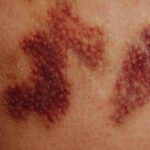
A superficial burn looks red, painful, and may blister within a few hours. A deeper burn can look white, waxy, or leathery. It may not hurt much at first because the nerve endings in the skin are damaged. This is not a good sign. It means the burn is serious and needs professional evaluation.
You may not see the full extent of the injury for 24 to 48 hours. Burns continue to develop as damaged tissue dies and inflammation peaks. What looks like a small red mark today can be a large blister tomorrow.
How To Treat An Exhaust Burn On Your Leg: Step by Step
Act quickly and calmly. The first 30 minutes after the burn matter most.
- Stop the burning process. Move away from the heat source. Remove any clothing that is not stuck to the skin. If fabric is melted or adhered to the burn, leave it in place and get medical help.
- Cool the burn with running water. Use cool tap water, not ice water. Keep it running over the burn for 10 to 20 minutes. This stops the heat from damaging deeper tissue. Do not use ice directly on the burn — it can cause frostbite on top of the burn injury.
- Clean gently. After cooling, wash the area with mild soap and cool water. Do not scrub. Do not break any blisters.
- Cover the burn. Use a sterile non-stick dressing or a clean, lint-free cloth. Do not wrap it tightly. The goal is to keep bacteria out, not to compress the wound.
- Take over-the-counter pain relief if needed. Acetaminophen or ibuprofen can help with pain. Follow the dosing instructions on the package.
Do not pop blisters. A blister is a natural sterile bandage. If it breaks on its own, wash the area gently with soap and water, apply antibiotic ointment, and cover with a fresh dressing.
When Should You See a Doctor for an Exhaust Burn?
Some exhaust burns can be managed at home. Many cannot. You should seek medical care if any of the following apply:
- The burn is larger than the palm of the person’s hand.
- The burn is on the face, hands, feet, groin, or over a major joint.
- The skin looks white, brown, or leathery.
- The burn is painless despite looking damaged.
- You have diabetes, a weakened immune system, or poor circulation.
- You have signs of infection: increasing redness, warmth, swelling, pus, or fever.
- You have not had a tetanus shot in the past 10 years.
Exhaust burns frequently require professional evaluation because they are often deeper than they look. A doctor can assess the depth, clean the wound properly, and prescribe appropriate dressings or antibiotics if needed.
If the burn is severe, you may be referred to a burn specialist. Full-thickness burns often require surgical removal of dead tissue and skin grafting. This is not something to delay.




How Long Does an Exhaust Burn Take to Heal?
Healing time depends on burn depth. There is no single answer that fits every burn.
Superficial burns that only affect the top layer of skin usually heal within 1 to 3 weeks. They may leave some temporary discoloration but typically do not scar permanently.
Partial-thickness burns, which damage the second layer of skin, take 2 to 4 weeks to heal. These burns often leave scars. They may change color over time, and the new skin may be more sensitive to sun and temperature changes.
Full-thickness burns, which destroy all layers of skin, do not heal on their own. They require surgical treatment. Recovery can take months and often involves physical therapy to maintain joint mobility if the burn crosses a joint.
Watch for signs of infection throughout the healing process. Redness that spreads, increasing pain, yellow or green discharge, or a fever all warrant a call to a doctor.
What Not to Do for an Exhaust Burn
Many folk remedies for burns do more harm than good. Some are actively dangerous.
- Do not apply butter, oil, or grease. These trap heat and increase the risk of infection.
- Do not use ice directly on the burn. Ice can damage the already injured tissue and slow healing.
- Do not use toothpaste. It dries the skin and can cause further irritation.
- Do not apply egg whites or raw honey from the kitchen. These are not sterile and can introduce bacteria.
- Do not use adhesive bandages directly on the burn. They can stick to the wound and tear new skin when removed.
- Do not scrub the burn. Gentle washing is enough.
- Do not pop blisters. The blister fluid is sterile and protects the healing skin beneath.
If you are unsure whether a home remedy is safe, the safest answer is to skip it and use a clean, dry dressing instead.
Why Do Exhaust Burns Hurt So Much?
Skin is densely packed with nerve endings. Heat damages these nerves and triggers an intense inflammatory response. Chemicals released by damaged cells sensitize the area, making it more painful than other injuries of similar size.
The pain often peaks in the first few hours after the burn, then changes character as the wound evolves. Some people report throbbing pain that worsens when the leg is lowered below heart level. This is normal for leg burns because blood pools in the area and increases pressure on the injured tissue.
Elevating the leg can help reduce throbbing. Keep the burned area clean and covered, and take pain medication as directed. If pain becomes severe or does not respond to over-the-counter medication, that is a reason to seek medical evaluation.
Can You Prevent Exhaust Burns?
Yes. Most exhaust burns are preventable with simple awareness.
Motorcycle exhaust pipes are a common cause of leg burns, especially when getting on or off the bike. Check where your leg is relative to the pipe before you swing your leg over the seat. Long pants offer some protection, but they can melt onto the skin if they touch the pipe for more than a second.
Car exhaust burns typically happen when someone touches the tailpipe — often after a drive when the metal is hottest. The pipe stays hot for a long time after the engine is off. On a hot day, it can take 30 minutes or more for the pipe to cool enough to touch safely.
If you work on vehicles, let the engine cool fully before reaching near the exhaust system. Gloves help with incidental contact but do not protect against prolonged contact with a hot pipe.
When to Seek Emergency Care
Most exhaust burns are not emergencies, but some are. Call emergency services or go to an emergency department if the burn is accompanied by:
- Difficulty breathing
- Confusion or dizziness
- Signs of shock: pale skin, rapid heartbeat, weakness
- A burn that encircles the leg completely
- Burns on multiple parts of the body
These symptoms suggest the burn is more serious than a local injury. Do not drive yourself if you feel faint or confused. Call for help.
Frequently Asked Questions
Should I put ice on an exhaust burn?
No. Ice can cause frostbite on top of the burn and slow healing. Use cool running water for 10 to 20 minutes instead.
Can I pop the blister from an exhaust burn?
No. Leave blisters intact — they protect the healing skin underneath. If a blister breaks on its own, wash gently and cover with a clean dressing.
How do I know if my exhaust burn is infected?
Watch for spreading redness, increasing pain, swelling, pus, or fever. If any of these appear, see a doctor promptly.
Is aloe vera good for an exhaust burn?
Aloe vera gel can be soothing for minor superficial burns after the skin has cooled completely. It is not a substitute for proper cleaning and dressing, and it should not be used on broken skin.
