
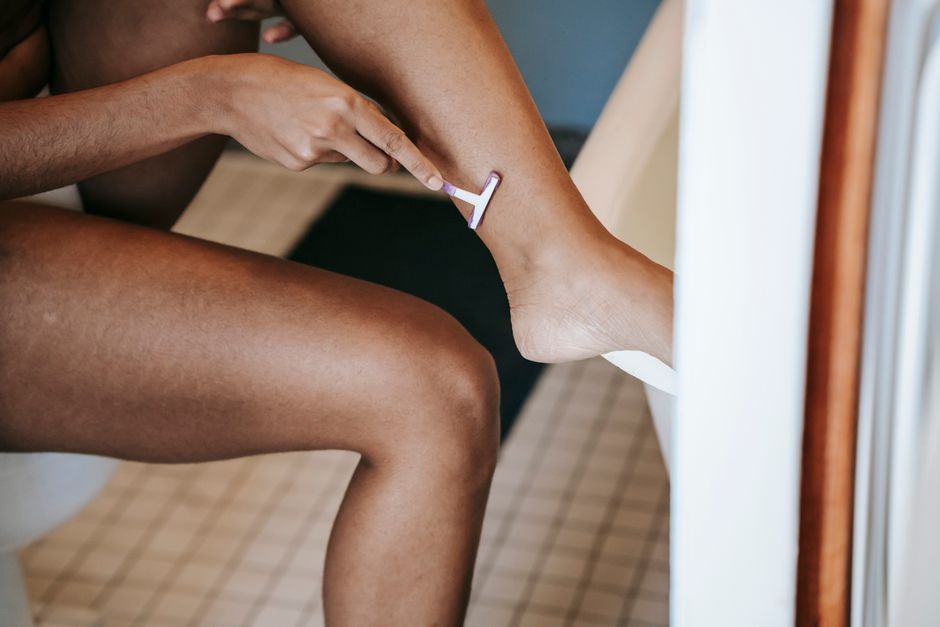
Razor burn is the red, irritated, stinging skin you get after shaving. It happens when the razor drags across the skin, scraping off the top layer of cells and irritating hair follicles. The best way to heal it is to stop shaving that area, soothe the skin with a cool compress, and apply a gentle moisturizer. Most cases of razor burn clear up on their own within a few days if you leave the skin alone.
What Exactly Causes Razor Burn?
Razor burn is a form of mechanical irritation. The razor blade removes hair but also scrapes away the thin protective layer of dead skin cells. This exposes the sensitive living cells underneath. The friction also irritates the hair follicles themselves, which can cause redness, swelling, and a burning sensation.
Several factors make razor burn more likely. Shaving dry skin creates high friction. Using a dull blade means you press harder and make multiple passes over the same area. Shaving against the direction of hair growth lifts the hair but also increases the chance of cutting the skin. Sensitive skin types are simply more prone to this reaction than others.
Razor burn is not the same as razor bumps. Razor bumps, also called pseudofolliculitis barbae, happen when the cut hair curls back and grows into the skin. That is an ingrown hair problem. Razor burn is surface-level irritation. The treatments overlap, but they are different conditions.
What Are the Best Immediate Treatments for Razor Burn?
Start with a cool compress. Soak a clean cloth in cool water, wring it out, and hold it against the irritated skin for five to ten minutes. The cold constricts blood vessels, which reduces redness and calms the burning sensation. Do this two or three times a day if needed.
Apply a gentle, fragrance-free moisturizer while the skin is still slightly damp. This locks in hydration and helps repair the damaged skin barrier. Look for products with ceramides, glycerin, or aloe vera. Avoid products with alcohol, fragrance, or essential oils, as these will sting and worsen the irritation.
For significant redness and swelling, a thin layer of hydrocortisone cream can help. A 1% over-the-counter hydrocortisone cream reduces inflammation. Use it only for a day or two. Prolonged use of topical steroids on the face can thin the skin, so keep it short-term.
Aloe vera gel is a solid choice. Pure aloe has natural anti-inflammatory properties and provides a cooling sensation. Make sure it is 100% aloe without added alcohol or artificial colors.
Avoid applying heavy oils or petroleum jelly to broken skin. If the skin is only irritated but not broken, these are fine. If you have actual nicks or cuts, keep the area clean and dry instead.
What Should You Avoid While Razor Burn Heals?
Do not shave the affected area again until the redness and burning are completely gone. Shaving irritated skin makes the damage worse and delays healing. Most people need to wait two to four days before the skin recovers enough to shave again.
Avoid harsh skin care products. Anything with alpha hydroxy acids, beta hydroxy acids, retinoids, or benzoyl peroxide will sting and slow the healing process. These are active exfoliants, and your skin barrier is already compromised.
Skip tight clothing or collars that rub against the area. Friction from fabric will keep the irritation going. On the neck, wear an open collar. On the legs, wear loose pants or a skirt until the redness fades.
Do not pick or scratch at the irritated skin. Scratching introduces bacteria and can turn simple razor burn into an infection. If the area itches, that is a sign of healing, but resist the urge to touch it.





How Can You Prevent Razor Burn in the First Place?
Prevention starts with preparation. Shave after a warm shower or wash the area with warm water for at least two to three minutes first. Warm water softens the hair and opens the pores, making the hair easier to cut without pressure.
Use a sharp, clean razor. A dull blade pulls at the hair instead of cutting it cleanly, which increases irritation. Replace your razor blade every five to seven shaves. If you shave daily, that means a new blade roughly every week.
Use a shaving cream or gel. Do not shave with just water or soap. Shaving cream creates a protective layer between the blade and your skin. Soap does not provide enough lubrication and dries out the skin. Choose a cream designed for sensitive skin without fragrance or alcohol.
Shave in the direction of hair growth. This requires more passes but causes far less irritation than shaving against the grain. If you need a closer shave, do one pass with the grain and one pass across the grain. Avoid going against the grain entirely on sensitive areas like the neck.
Rinse the blade after every stroke. Hair and shaving cream build up on the blade, making it less effective. A quick rinse keeps the blade gliding smoothly.
Do not stretch the skin tight while shaving. Stretching causes the blade to cut the hair below the skin surface, which increases the risk of ingrown hairs and razor burn. Let the skin stay relaxed and natural.
When Should You See a Doctor for Razor Burn?
Most razor burn resolves on its own within two to five days. You should see a doctor if the irritation lasts longer than a week without improving. Persistent redness that does not fade may indicate a bacterial infection rather than simple razor burn.
Watch for signs of infection. These include increasing pain, swelling, warmth, pus, or red streaks spreading from the area. A fever alongside skin irritation is another warning sign. If you notice any of these, seek medical attention promptly.
People with diabetes or weakened immune systems should be more cautious. Their skin heals more slowly, and minor irritations can become infections more easily. If you have a chronic condition and get razor burn that does not improve in a few days, contact your doctor.
If razor burn keeps happening despite good shaving habits, see a dermatologist. They can assess whether you have an underlying skin condition like contact dermatitis or a fungal infection that looks like razor burn. They can also recommend prescription treatments if over-the-counter options are not working.
Does Cold Water or Hot Water Help Razor Burn?
Cool water helps active razor burn. It reduces blood flow to the area, which decreases redness and swelling. A cool compress or a cool rinse immediately after shaving can prevent some of the irritation from developing in the first place.
Hot water helps before shaving. It softens the hair and opens the follicles, making shaving easier and less traumatic. But hot water after shaving will worsen irritation. It increases blood flow and strips natural oils from the already damaged skin.
The sequence matters. Use warm or hot water to prepare the skin before shaving. Rinse the razor in hot water to keep it clean. After shaving, rinse the skin with cool water to close the pores and calm the skin. This simple switch can noticeably reduce how often you get razor burn.
Frequently Asked Questions
How long does razor burn take to heal?
Most razor burn clears up in two to five days with proper care. Severe cases may take up to a week, especially if the skin was scraped repeatedly.
Is it better to shave or not shave with razor burn?
Do not shave over razor burn until the redness and burning are completely gone. Shaving irritated skin makes the damage worse and prolongs healing.
Does toothpaste help razor burn?
No. Toothpaste is not designed for skin and contains ingredients that can irritate or dry out the area further. Use a cool compress and a gentle moisturizer instead.
Can aloe vera heal razor burn fast?
Pure aloe vera gel can soothe the burning sensation and reduce redness. It helps with comfort, but it does not speed up the skin’s natural healing process.
