
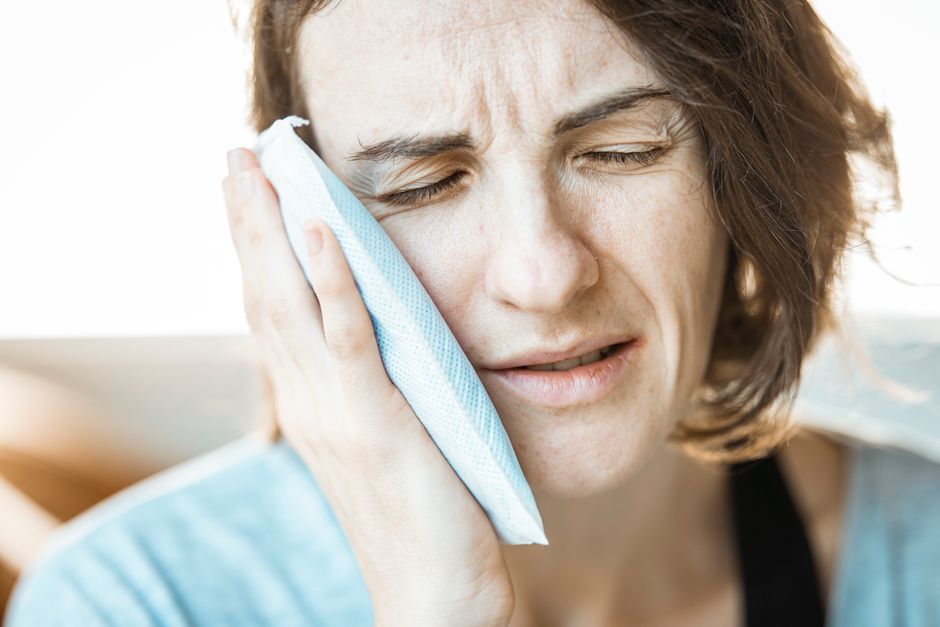
A burn is one of the most intense pains you can feel at home. The immediate sting and throbbing demand a fast answer. The most effective way to stop burn pain is to run cool water over the area for a full 20 minutes. This is the single most important step. It stops the burning process, reduces tissue damage, and numbs the nerve endings that send pain signals to your brain. After that, the right dressing and pain management keep you comfortable while healing begins.
Why Does Cold Water Stop Burn Pain So Fast?
When you burn your skin, the heat does not stop working the moment you pull away from the source. The retained heat continues to damage deeper layers of tissue. This is why the pain often gets worse in the first minute after the burn happens.
Running cool water over the burn pulls that heat out of the skin. It physically stops the ongoing tissue damage. It also slows down the nerve signals in the area, which directly reduces the pain you feel. This is not a home remedy. It is the standard first aid response taught in medical settings worldwide.
Use tap water that feels cool, not icy. Ice-cold water or ice itself can cause frostbite on top of the burn, which makes the injury worse. Hold the burned area under the faucet or pour water over it continuously. Set a timer. Twenty minutes feels long, but it is the difference between a superficial burn and one that requires medical treatment.
What Is the Fastest Way to Stop the Stinging?
The stinging sensation you feel immediately after a burn is your nerve endings firing rapidly. Cool running water is the fastest physical way to quiet those nerves. Within the first minute of cooling, most people report a significant drop in the intensity of the pain.
After the 20-minute cool water rinse, the pain should be noticeably reduced. If it is not, that is a sign the burn may be deeper than a superficial first-degree burn. A second-degree burn that covers a large area or involves the face, hands, feet, or genitals requires medical evaluation. Do not try to manage that level of pain at home.
Over-the-counter pain relievers like ibuprofen or acetaminophen can help with the lingering ache after the initial cooling. Ibuprofen is an anti-inflammatory, which helps with the swelling that contributes to pain. Take it according to the label directions and only if you have no medical reason to avoid it.
Should You Pop a Blister to Stop the Pain?
No. Do not pop a blister. A blister is the body’s natural sterile dressing. The fluid inside keeps the raw nerve endings covered and protected from air, which is a major source of burn pain. Popping it exposes those nerves and dramatically increases pain and infection risk.
If a blister breaks on its own, wash the area gently with mild soap and water. Apply a thin layer of antibiotic ointment and cover it with a clean, non-stick bandage. Keep it covered and change the dressing daily. Watch for signs of infection like increasing redness, warmth, or pus, which require medical attention.




How To Make Burn Pain Go Away What Actually Works for Dressing
Once the burn is cooled and cleaned, the dressing you choose matters for pain control. Air hitting exposed nerve endings is painful. A good dressing keeps air out while allowing the wound to breathe.
Use a non-stick sterile gauze pad or a specialized burn dressing. Apply a light layer of aloe vera gel or a plain, fragrance-free moisturizer to the burn first. This prevents the gauze from sticking to the wound. Sticking to the wound is a major source of pain when you change the dressing.
Do not use butter, oil, or toothpaste. These old folk remedies trap heat in the skin and introduce bacteria. They do nothing for pain and can cause infection. The same goes for applying ice directly to the skin, which causes frostbite and additional tissue damage.
Loosely wrap the gauze over the burn. Do not wrap it tightly. Tight bandages restrict blood flow and increase throbbing pain. The goal is light protection, not compression.
How Long Does Burn Pain Last?
The duration of burn pain depends on the depth of the injury. A mild first-degree burn, like a typical sunburn, usually hurts for 24 to 48 hours. The skin may remain tender for a few days as it peels and heals.
A second-degree burn with blisters can hurt for one to three weeks. The most intense pain usually lasts the first 48 to 72 hours. After that, the pain shifts from a sharp, burning sensation to a duller ache as the skin regenerates.
If the pain gets worse after the first few days instead of better, that is a red flag. It may indicate an infection. Increasing redness, warmth, swelling, or drainage from the burn requires medical evaluation. Do not wait for these symptoms to resolve on their own.
What Makes Burn Pain Worse?
Several common mistakes make burn pain significantly worse. Knowing what to avoid is as important as knowing what to do.
- Ice: Direct ice causes frostbite, which adds a cold injury on top of the heat injury. The pain becomes worse and healing takes longer.
- Butter and oils: These trap heat, keep the skin hot, and introduce bacteria. They provide zero pain relief.
- Tight bandages: Compression on a burn increases throbbing and restricts blood flow needed for healing.
- Repeated friction: Rubbing or scratching the area, even through clothing, stimulates the same pain receptors and makes the burn more sensitive.
- Dehydration: Burns cause fluid loss from the damaged skin. Dehydration makes the skin drier and more painful as it heals.
Keeping the burn moisturized with a gentle, fragrance-free lotion after the initial cooling period helps reduce the tight, dry feeling that develops as the skin heals. This is a comfort measure, not a treatment for the burn itself.
When Should You See a Doctor for a Burn?
Most minor burns can be safely managed at home. Some burns require professional medical care. Knowing the difference prevents both unnecessary emergency room visits and dangerous delays in treatment.
Seek medical care if the burn is larger than about three inches in diameter. Seek care if the burn is on your face, hands, feet, joints, or genitals. These areas have thin skin and complex structures that are easily damaged.
See a doctor if the burn looks charred, leathery, or white. These are signs of a third-degree burn, which damages all layers of skin and requires specialized treatment. Third-degree burns are often not painful at the site because the nerves are destroyed, but the surrounding area may hurt intensely.
Any burn with signs of infection, such as increased pain, redness, swelling, or fever, needs medical attention. Do not try to treat an infected burn at home. It requires prescription medication.
Does Honey Help Burn Pain?
Medical-grade honey is a legitimate treatment for burns, particularly in clinical settings. Research has shown it has antibacterial properties and helps keep the wound moist, which supports healing and reduces pain from a dry wound.
This is not the same as using the honey from your kitchen cabinet. Medical-grade honey is sterilized and specially processed. Regular honey can contain bacteria and spores that are dangerous in an open wound. If you want honey treatment, use a medical-grade product from a pharmacy and follow the instructions. Otherwise, stick with standard burn dressings.
How To Make Burn Pain Go Away at Night
Burn pain often feels worse at night. There are fewer distractions, and the body’s natural anti-inflammatory response dips during sleep. This makes the throbbing more noticeable.
Elevating the burned area above heart level helps reduce throbbing pain. This is especially effective for burns on the arms or legs. Gravity helps drain fluid away from the injury, which reduces swelling and the pressure that causes pain.
Take your pain reliever about 30 minutes before bed so it is at full strength when you lie down. Change the dressing before sleep so you are not woken by a stuck bandage. A cool, slightly humid room can also help, as dry air irritates healing skin.
Frequently Asked Questions
How long should I run cold water over a burn?
Run cool tap water over the burn for a full 20 minutes. This is the standard first aid response and is the most effective way to stop the burning process and reduce pain.
Can I put ice on a burn?
No. Ice causes frostbite and can damage the skin further. Use cool running water instead of ice for the first 20 minutes.
Should I cover a burn or leave it open?
Cover the burn with a loose, non-stick sterile dressing. This keeps air off the nerve endings, which reduces pain and protects the wound from infection.
When is burn pain a sign of a serious problem?
If the pain gets worse after the first few days instead of better, it may signal an infection. Seek medical care if you see increasing redness, swelling, warmth, or drainage.
