
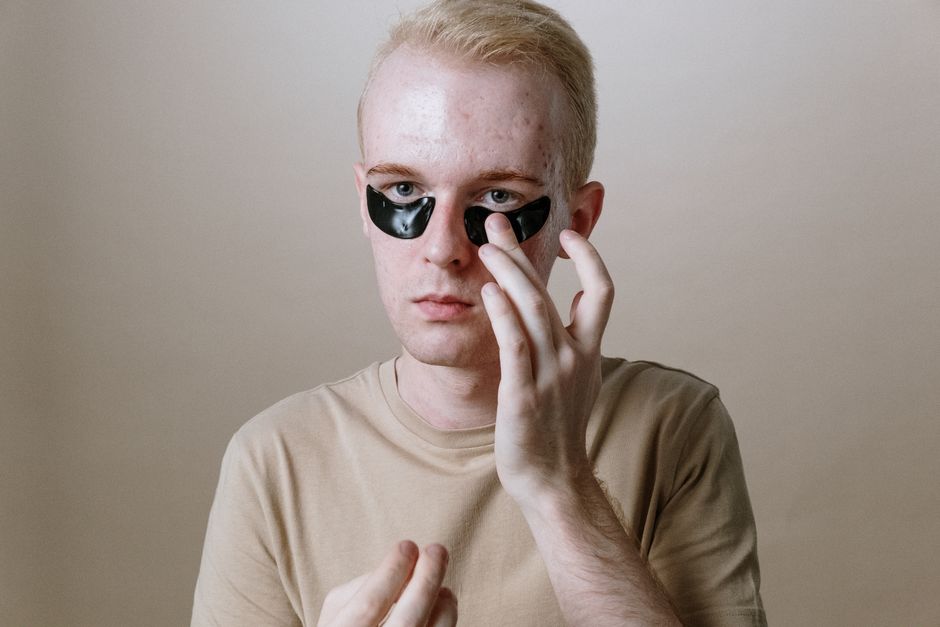
Rosacea that looks like acne can be frustrating because the treatments are not the same as those for regular teenage acne. In fact, using the wrong acne products can make rosacea worse. The best approach combines gentle skin care, prescription topicals, and sometimes oral medication, all guided by a dermatologist. Treatment focuses on controlling inflammation and preventing flare-ups, not curing the condition, because rosacea is a chronic skin disorder.
What Is the Difference Between Acne and Rosacea?
Acne and rosacea can look similar, but they are different conditions. Acne involves blocked pores, blackheads, and whiteheads. Rosacea typically causes redness, visible blood vessels, and small red bumps that may contain pus.
The key difference is the presence of blackheads. If you see blackheads, it is likely acne. Rosacea does not cause blackheads. Rosacea also tends to affect the central face — the cheeks, nose, chin, and forehead — and often comes with a flushing or blushing sensation.
Rosacea is more common in adults between 30 and 50, especially those with fair skin. Acne is more common in teenagers and young adults, though adult acne does occur.
What Topical Treatments Work for Rosacea?
Topical medications are often the first line of treatment for mild to moderate rosacea. These are prescription products, not over-the-counter acne washes.
The most commonly prescribed topicals include:
- Metronidazole — an antibiotic gel or cream that reduces inflammation.
- Azelaic acid — a gel or foam that reduces redness and bumps.
- Ivermectin — a cream that targets Demodex mites, which some research links to rosacea.
- Brimonidine — a gel that temporarily constricts blood vessels to reduce facial redness.
- Oxymetazoline — a cream that also reduces persistent facial redness by narrowing blood vessels.
These medications do not work overnight. Most take 4 to 8 weeks to show noticeable improvement. Brimonidine and oxymetazoline work faster for redness, but their effect wears off after several hours.
Over-the-counter products are not proven to treat rosacea. Some gentle cleansers and moisturizers labeled “for sensitive skin” can help support the skin barrier, but they do not treat the underlying inflammation.
When Are Pills Used for Rosacea?
Oral medications are reserved for moderate to severe rosacea that does not respond to topicals alone. They are also used when the condition causes significant discomfort or affects quality of life.
The most common oral treatments are:
- Doxycycline — an antibiotic that reduces inflammation. At low doses, it works as an anti-inflammatory rather than as an antibiotic.
- Minocycline — another antibiotic option, sometimes used when doxycycline is not tolerated.
- Isotretinoin — a powerful vitamin A derivative used for severe, treatment-resistant rosacea. It requires close monitoring by a doctor.
Low-dose doxycycline is the most common first choice. It is usually taken once daily for several months. Higher doses are used for shorter periods when the rosacea is flaring badly.
Oral antibiotics for rosacea are not meant for long-term use at full doses. Once symptoms improve, your doctor will likely step you down to topical treatment alone.



What Skin Care Routine Helps Rosacea?
Your daily routine matters as much as your prescriptions. Rosacea skin is easily irritated, and the wrong products can trigger flare-ups.
Follow these principles:
- Cleanse gently. Use a mild, fragrance-free cleanser. Avoid scrubs, loofahs, and washcloths.
- Moisturize daily. A simple moisturizer with ceramides or niacinamide helps repair the skin barrier.
- Use sunscreen every day. Sun exposure is one of the most common rosacea triggers. Choose a mineral sunscreen with zinc oxide or titanium dioxide.
- Avoid active acne ingredients. Benzoyl peroxide and salicylic acid are often too harsh for rosacea skin. They can cause burning, stinging, and increased redness.
Apply topicals to clean, dry skin. Wait a few minutes between applying different products. If your skin stings or burns after a product, stop using it.
Keep your routine simple. More products do not mean better results. Most dermatologists recommend a cleanser, a moisturizer, a sunscreen, and your prescription treatment.
What Triggers Rosacea Flare-Ups?
Identifying your personal triggers is a major part of managing rosacea. Triggers vary from person to person, but common ones include:
- Sun exposure
- Hot or spicy foods
- Alcohol, especially red wine
- Hot drinks
- Extreme temperatures, both hot and cold
- Stress and strong emotions
- Strenuous exercise
- Hot baths and saunas
- Certain skin care products containing alcohol, fragrance, or menthol
Keeping a diary of flare-ups can help you identify your specific triggers. You cannot avoid every trigger, but knowing yours helps you plan around them.
Some research suggests that Demodex mites, which live on everyone’s skin, may play a role in rosacea. People with rosacea tend to have higher numbers of these mites. This is why ivermectin, which kills the mites, is an effective treatment for some people.
Are There Other Treatment Options?
For persistent redness and visible blood vessels, procedures can help. These are performed by dermatologists and are not available over the counter.
Laser and light therapy can reduce visible blood vessels and overall redness. Intense pulsed light (IPL) and vascular lasers are the most common options. Multiple sessions are usually needed, and results are not permanent.
Electrocautery is another option for individual visible blood vessels. A tiny needle delivers heat to seal the vessel.
These procedures do not treat the bumps and pustules of rosacea. They only address the redness and blood vessels. You may still need topical or oral medication to control the inflammatory bumps.
Some people try herbal supplements or dietary changes. The evidence for these approaches is limited. No supplement has been proven to treat rosacea in large clinical trials. While some people report improvement with dietary changes, this is not consistent across studies.
What Should You Not Do When Treating Rosacea?
Avoid common mistakes that worsen rosacea:
- Do not use acne products meant for teenagers. They are too harsh and can cause severe irritation.
- Do not pick or squeeze bumps. This can cause scarring and infection.
- Do not use steroid creams. Topical steroids can cause a rebound flare when stopped and can thin the skin with long-term use.
- Do not expect a quick fix. Rosacea is chronic. Treatment controls symptoms but does not cure the condition.
- Do not stop treatment when your skin looks better. Rosacea often returns when treatment stops.
If a product burns or stings, that is a sign your skin is reacting badly. Stop using it and talk to your doctor.
When Should You See a Dermatologist?
See a dermatologist if you have persistent redness or bumps on your face that do not improve with gentle skin care. Early treatment can prevent the condition from progressing.
Rosacea can sometimes look like other skin conditions, including lupus, seborrheic dermatitis, or contact dermatitis. A dermatologist can make the correct diagnosis and prescribe the right treatment.
If your eyes are also red, dry, or irritated, tell your doctor. Ocular rosacea affects the eyes and requires specific treatment. Untreated ocular rosacea can damage the cornea.
Rosacea is not just a cosmetic issue. It can affect self-esteem and quality of life. Effective treatment exists, and most people can achieve good control with the right combination of therapies.
Frequently Asked Questions
Can I use regular acne products on rosacea?
No. Benzoyl peroxide and salicylic acid can irritate rosacea skin and make it worse. Use only products your dermatologist recommends for rosacea.
How long does rosacea treatment take to work?
Most topical treatments take 4 to 8 weeks to show improvement. Oral medications may work faster, but full results typically take several months.
Is rosacea curable?
No. Rosacea is a chronic condition, but it can be well controlled with ongoing treatment. Symptoms often return if treatment is stopped.
Does sunscreen help rosacea?
Yes. Sun exposure is a major trigger for rosacea flare-ups. Daily use of a mineral sunscreen with zinc oxide or titanium dioxide can help prevent worsening.
