
A muscle spasm is a sudden, involuntary contraction of one or more muscles. It can feel like a sharp twinge, a tight knot, or a complete freeze in movement. For most people, the immediate goal is stopping the pain and getting the muscle to release. The fastest way to treat an active spasm is to gently stretch the muscle, apply heat, and massage the area. For prevention, consistent hydration, regular stretching, and maintaining adequate electrolyte levels are the most effective daily habits. If spasms are frequent, severe, or happen with swelling or weakness, you should see a doctor to rule out an underlying condition.
What Causes a Muscle Spasm to Happen?
Muscles contract when nerves send signals telling them to shorten. A spasm happens when that signal misfires or continues when it should stop. The exact biological trigger is often complex, but several factors are strongly linked to why they occur.
Dehydration is one of the most common causes. Water is needed to balance electrolytes like sodium, potassium, and calcium inside muscle cells. When those minerals are out of balance, the muscle becomes more excitable and prone to cramping.
Muscle fatigue is another major driver. When a muscle is overworked, it can lose its ability to relax properly. This is why cramps often strike at night after a long day of activity or during the final minutes of intense exercise.
Some research also points to poor blood flow or nerve compression as triggers. A pinched nerve in the lower back, for example, can cause spasms in the calf or foot. In most cases, the cause is a combination of factors rather than one single mistake.
What Is the Fastest Way to Stop a Spasm Right Now?
When a spasm hits, time feels slow. You want relief immediately. The most effective first step is to stop the activity that caused it and gently stretch the affected muscle.
For a calf cramp, stand up and step the cramped leg backward, keeping the heel flat on the floor. Lean forward slightly to feel a stretch in the calf. Hold it for 20 to 30 seconds. Do not bounce. The stretch sends a signal to the muscle to relax, which interrupts the spasm cycle.
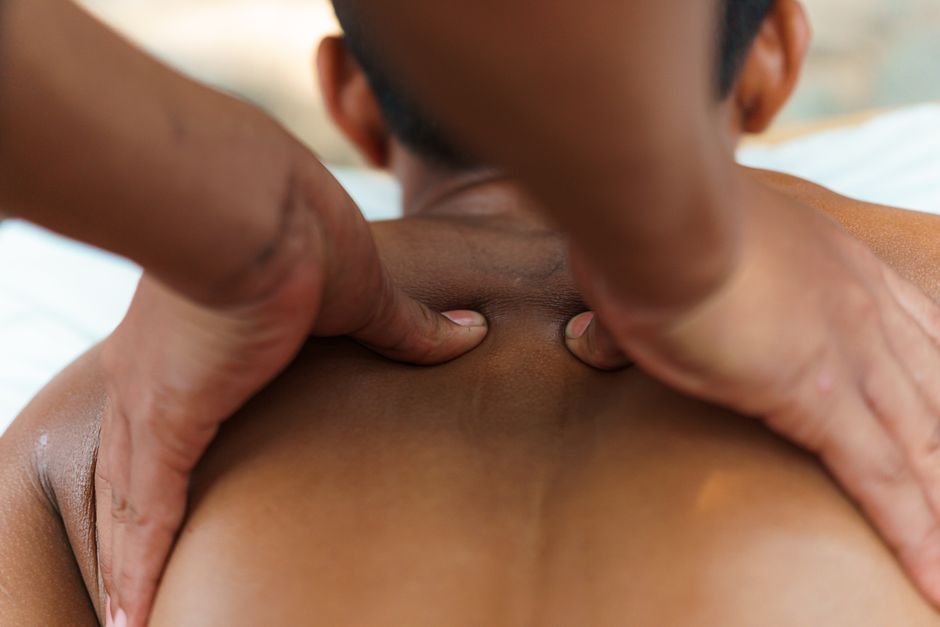
Massage can also help. Use your fingers or the palm of your hand to press firmly into the knot. Work in slow circles rather than quick rubbing. This increases blood flow to the area and helps the muscle fibers unclench.
Heat is often better than ice during an active spasm. A warm towel, heating pad, or warm bath relaxes the muscle tissue. Ice is more useful after the spasm has stopped, to reduce any soreness or inflammation that lingers.
For a spasm that will not release, some doctors recommend an over-the-counter pain reliever like ibuprofen to manage pain, though it does not stop the spasm itself. If the muscle remains locked for more than a few minutes, that is a medical emergency and you should seek immediate care.
How To Treat A Muscle Spasm Relief And Prevention: The Daily Routine
Treating a single spasm is reactive. Preventing the next one requires a consistent routine. The evidence for prevention is strongest around hydration, electrolytes, and stretching.
Hydration is the foundation. The goal is not to chug water only during exercise. It is to maintain steady fluid intake throughout the day. Urine color is a practical guide — pale yellow generally indicates adequate hydration. Dark yellow suggests you need more fluids.
Electrolytes matter more than plain water when you sweat heavily. Sodium, potassium, and magnesium all play roles in muscle contraction. Sports drinks can help during prolonged exercise, but for daily prevention, food is often the better source. Bananas, oranges, leafy greens, and nuts provide these minerals naturally.
Stretching is most effective when done regularly, not just before a workout. A 2019 review of studies on muscle cramps found that regular stretching programs reduced cramp frequency and severity, especially for nighttime leg cramps. Stretch the muscles that tend to cramp — calves, hamstrings, and quadriceps — holding each stretch for 30 seconds.
One non-obvious insight: stretching before bed may be more valuable than stretching in the morning. Nighttime cramps are common because muscles shorten while you sleep. A few minutes of gentle stretching before lying down keeps the muscle fibers longer and less prone to sudden contraction.





Are There Medications That Help Prevent Muscle Spasms?
For people with frequent spasms that disrupt sleep or daily life, doctors sometimes prescribe muscle relaxants. These include medications like cyclobenzaprine or tizanidine. They work by depressing the central nervous system, which reduces the intensity of muscle contractions.
These medications are not a first-line treatment. They come with side effects like drowsiness, dizziness, and dry mouth. They are generally prescribed for short-term use — a few weeks — rather than as a long-term daily solution. Some clinicians also recommend magnesium supplements for cramps, but the evidence is mixed. Some studies show benefit for pregnancy-related leg cramps, while others show no effect for general muscle cramps.
Quinine was historically used for nighttime leg cramps, but the FDA has warned against it because of serious side effects including heart rhythm problems. It should not be used for this purpose.
If you are considering any medication, talk to your doctor first. Do not start a supplement or prescription based solely on internet research.
When Should You See a Doctor About Muscle Spasms?
Most muscle spasms are harmless and resolve on their own. But some require medical evaluation. You should see a doctor if spasms happen frequently without an obvious cause, if they are severe enough to interfere with walking or daily tasks, or if they last longer than a few minutes.
Seek emergency care if a spasm is accompanied by swelling, redness, or warmth in the limb, as these can be signs of a blood clot. Numbness, weakness, or loss of bladder or bowel control with a back spasm is also an emergency, as it can indicate a serious spinal issue.
Certain medications can cause muscle spasms as a side effect. Diuretics, statins, and some blood pressure medications are known culprits. If your spasms started after beginning a new medication, ask your doctor whether a change is appropriate.
Underlying conditions that cause frequent spasms include thyroid disorders, nerve damage, and circulation problems. A doctor can run basic blood tests to check electrolyte levels, kidney function, and thyroid hormones. This is a straightforward process and can rule out most serious causes.
Does Diet Play a Role in Muscle Spasm Prevention?
Yes, but the evidence is more about avoiding deficiencies than about any special diet. A balanced diet that covers basic mineral needs is usually sufficient.
Potassium is essential for muscle function. The average adult needs about 4,700 milligrams per day. A banana provides roughly 420 milligrams. Other good sources include potatoes, sweet potatoes, and white beans. Most people who eat a varied diet get enough, but athletes or people who sweat heavily may need more.
Magnesium is involved in muscle relaxation. It is found in nuts, seeds, whole grains, and dark leafy greens. The recommended daily intake is around 400 to 420 milligrams for men and 310 to 320 milligrams for women. A deficiency is uncommon in healthy people but can occur with heavy alcohol use or certain digestive disorders.
Sodium is the electrolyte most people get too much of, not too little. Unless you are an endurance athlete or work in extreme heat, you do not need to add salt to your diet for cramp prevention. In fact, excessive sodium can worsen dehydration by pulling water out of cells.
The takeaway is simple: eat a varied diet with real food. You do not need expensive electrolyte powders or specialized “cramp prevention” drinks. Those products are marketed heavily, but no clinical evidence confirms they outperform a banana and a glass of water.
What Is the Difference Between a Spasm, a Cramp, and a Twitch?
These terms are often used interchangeably, but they are not the same thing. Understanding the difference helps you know when to worry.
A muscle twitch is a brief, involuntary contraction that you can see under the skin but usually cannot feel. It lasts a fraction of a second and is often caused by caffeine, stress, or fatigue. Twitches are almost always harmless.
A muscle spasm is a sustained contraction that you can feel. It may last seconds to minutes. It can be painful but often resolves on its own.
A cramp is a specific type of spasm that is intense and painful. It often involves a visible hardening of the muscle. Nighttime leg cramps and exercise-associated cramps fall into this category.
If you have a twitch that persists in the same spot for weeks, or a spasm that recurs in the same muscle every time you use it, that warrants a medical check. Persistent symptoms in one location can point to a nerve issue rather than a simple hydration problem.
Frequently Asked Questions
What is the fastest home remedy for a muscle spasm?
Gently stretch the cramped muscle and apply heat. Hold the stretch for 20 to 30 seconds and massage the area in slow circles.
Can drinking more water prevent muscle spasms?
Yes, dehydration is a common trigger, so consistent daily hydration reduces spasm frequency. Pale yellow urine is a good sign you are drinking enough.
Are muscle spasms a sign of a serious health problem?
Occasional spasms are normal, but frequent, severe, or one-sided spasms can indicate nerve or circulation issues. See a doctor if they interfere with daily life.
Does magnesium really help with muscle cramps?
The evidence is mixed. Some studies show benefit for pregnancy-related leg cramps, but general cramp prevention is not consistently confirmed.
