
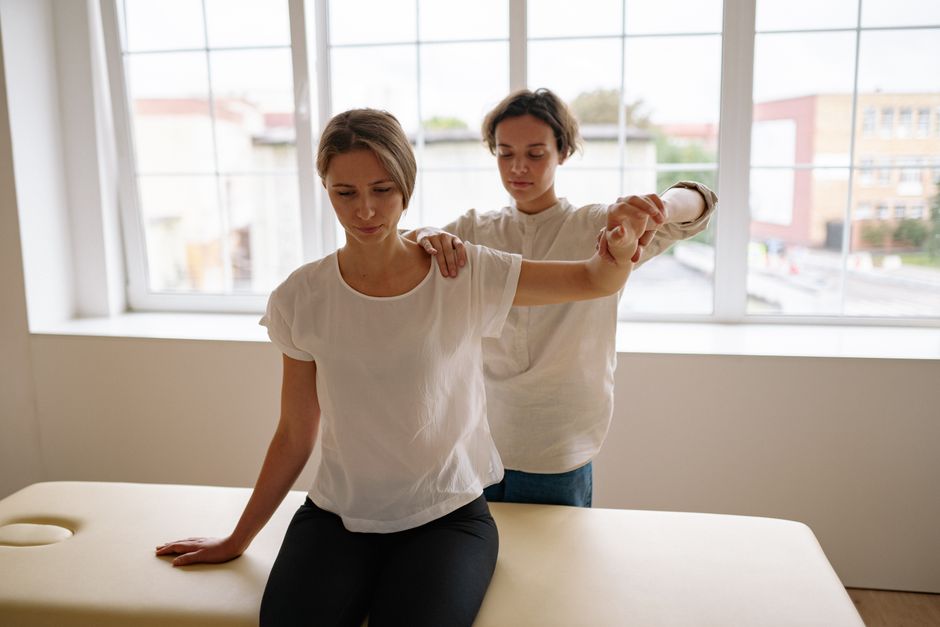
A muscle knot is a tight band of muscle fibers that feels like a small, hard lump and can cause pain or stiffness. To get rid of a muscle knot, you need to release that tension by applying gentle pressure, stretching the muscle, or using heat to increase blood flow. The most effective methods combine direct pressure (like massage) with passive stretching and sometimes heat or cold, depending on the knot’s age and location. If a knot persists for more than a few weeks or causes numbness or weakness, see a healthcare provider.
What Is a Muscle Knot?
Muscle knots, medically called myofascial trigger points, are areas where muscle fibers contract and stay contracted. This creates a small, tender nodule you can feel under your skin. The tight fibers squeeze off their own blood supply, which means oxygen and nutrients can’t get in and waste products can’t get out. That buildup of waste causes more irritation and pain, creating a cycle that keeps the knot tight.
There are two main types: active trigger points cause pain even when you rest, and latent trigger points only hurt when you press on them. Most knots people notice are active or become active when the muscle is used.
What Causes Muscle Knots?
Muscle knots form when a muscle is overworked, strained, or held in an awkward position for too long. Common triggers include:
- Poor posture — sitting hunched over a desk or looking down at a phone for hours
- Repetitive movements — typing, lifting, or playing a sport without enough rest
- Sudden injury — a fall, twist, or pulling a muscle too hard
- Stress — emotional tension often makes you unconsciously clench muscles, especially in the neck and shoulders
Not getting enough sleep or being dehydrated can also make knots more likely because your muscles don’t recover as well. The exact cause isn’t always clear, but these factors are consistently linked in research.
How To Get Rid Of a Muscle Knot
Home treatment for a muscle knot focuses on releasing the tight spot and restoring blood flow. Most people find relief with a combination of these methods. Start with the gentlest approach and increase pressure only if needed.
Massage. Using your fingers, a tennis ball, or a foam roller, apply firm but not painful pressure directly on the knot. Hold the pressure for 30 to 60 seconds. You should feel the muscle slowly release. If the pain increases sharply, ease off. Deep tissue massage from a trained therapist can also help, especially for stubborn knots.
Heat. A warm compress, heating pad, or warm bath relaxes the muscle and increases blood flow. Apply heat for 15 to 20 minutes before stretching or massaging the area. Heat works best on knots that have been around for more than a day or two.
Cold. If the knot is from a recent injury (within the first 48 hours) and feels inflamed or hot to the touch, use an ice pack wrapped in a cloth for 10 to 15 minutes. Cold reduces swelling and can quiet nerve pain.
Stretching. Gently stretch the affected muscle after applying heat or massage. Hold each stretch for 20 to 30 seconds without bouncing. Do not push into sharp pain. For a knot in the upper back, try pulling your chin toward your chest or rolling your shoulders in circles. For a neck knot, tilt your ear toward your shoulder on the opposite side.
Topical pain relievers. Creams or gels with menthol, camphor, or lidocaine can numb the area temporarily and make it easier to massage or stretch. These do not fix the knot, but they can help manage the pain so you can work the muscle.
If home treatments do not loosen the knot after a few days, a healthcare provider may recommend dry needling or trigger point injections. Dry needling uses thin needles to mechanically disrupt the tight muscle fibers. Some evidence supports it for short-term pain relief, but results vary. Trigger point injections deliver a small amount of anesthetic or corticosteroid into the knot. Both procedures should be performed by a licensed professional.
Research on which method works best is limited. A 2021 review in the journal Pain Medicine found that massage therapy, dry needling, and trigger point injections all reduced pain compared to no treatment, but no single method was clearly superior. The best approach often depends on the knot’s location and your personal response.





Do Massage Guns Work for Muscle Knots?
Massage guns (percussive therapy devices) deliver rapid, concentrated pulses to a muscle. Some people find them helpful for loosening knots by increasing blood flow and relaxing tense fibers. The evidence is preliminary. Small studies suggest they can reduce muscle soreness after exercise, but no strong research confirms they are more effective than manual massage or foam rolling for treating knots.
Use a massage gun on low speed and avoid pressing directly on bones, joints, or the spine. Do not use it on a knot that feels swollen, hot, or discolored. If the pulse vibrates into a nerve, it can cause tingling or numbness. Stop if that happens.
When Should You See a Doctor for a Muscle Knot?
Most muscle knots go away with home treatment within a week or two. See a healthcare provider if:
- The knot does not improve after two weeks of consistent home care
- The pain is severe or getting worse
- You have numbness, tingling, or weakness in the area
- The knot appeared after a significant injury, like a fall or car accident
- You have a fever, redness, or swelling in the muscle — these can be signs of infection or a blood clot
Rarely, a hard, painful lump that does not change may be something other than a muscle knot, such as a lipoma (fatty tumor), a ganglion cyst, or in very rare cases a soft tissue sarcoma. A doctor can rule out these possibilities with a physical exam and imaging if needed.
How To Prevent Muscle Knots
You cannot prevent every knot, but you can lower your risk by addressing the common causes. Simple daily habits make the biggest difference.
- Improve your posture. Keep your shoulders back, chin in line with your spine, and your screen at eye level. Take breaks every 30 minutes if you sit for long periods.
- Stay hydrated. Dehydrated muscles are more prone to cramping and tightness. Drink water throughout the day, especially before and after exercise.
- Warm up before activity. A 5-minute warm-up that includes light cardio and dynamic stretching prepares muscles for work and reduces the chance of strain.
- Stretch regularly. Focus on the muscles you use most — neck, shoulders, back, hamstrings. Even two minutes of stretching in the morning and evening can help.
- Manage stress. Practices like deep breathing, meditation, or a short walk can reduce the unconscious muscle clenching that feeds knots.
- Get enough sleep. Muscles repair themselves most during deep sleep. Aim for 7 to 9 hours per night.
Frequently Asked Questions
Can a muscle knot go away on its own?
Yes, many muscle knots resolve on their own within a few days to a couple of weeks if the muscle is rested and not further strained. Gentle movement and hydration speed up recovery.
Is it safe to massage a muscle knot?
Yes, self-massage with fingers, a ball, or a foam roller is generally safe if you use light to moderate pressure and avoid pressing on inflamed or infected areas. Stop if the pain worsens or you feel numbness.
How long does it take for a muscle knot to release?
With consistent treatment, most knots loosen within a few days to one week. Chronic knots may take several weeks of regular massage and stretching to fully release.
Should you stretch a muscle knot or rest it?
Both. Gentle stretching after applying heat or massage helps the muscle relax, but rest is equally important to avoid reinjury. Avoid heavy activity that directly works that muscle until the knot improves.
