
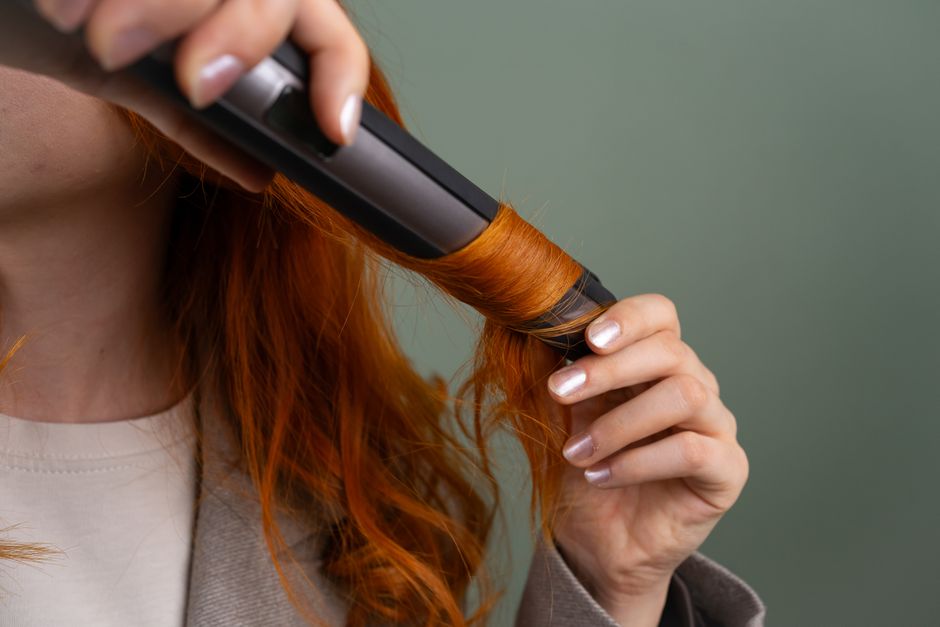
A curling iron burn is a contact burn caused by touching a hot metal surface, usually on the hand, forearm, ear, neck, or forehead. Most are superficial and can be treated at home by cooling the skin with cool running water for about 20 minutes, keeping the area clean, and protecting it while it heals. If the burn is larger than 3 inches, blisters heavily, looks white or charred, or affects the face, hands, or a joint, get medical care instead of treating it yourself.
What Happens to Skin When It Touches a Hot Curling Iron
Curling irons typically operate between 300°F and 450°F. Skin damage begins at much lower temperatures than most people expect — protein in skin cells starts to break down around 111°F with prolonged contact. At curling iron temperatures, damage happens in under a second.
The burn depth depends on two things: how hot the surface is and how long skin touches it. A brief graze may only redden the outer layer. A second or two of contact can destroy deeper layers and cause blistering.
That is why a curling iron burn can look minor at first and worsen over the next 24 to 48 hours. The full extent of a burn is not always visible immediately. Inflammation continues to develop after the heat source is removed.
How To Treat A Curling Iron Burn Step by Step
Cool the burn under cool running water for about 20 minutes. This is the single most important step, and it works best within the first 20 minutes of injury. Cool water reduces heat remaining in the tissue and can limit how deep the burn goes.
Do not use ice, ice water, butter, toothpaste, oil, or egg whites. These are common home remedies with no supporting evidence. Ice can cause additional cold injury to already damaged skin. Greasy substances trap heat and can introduce bacteria.
After cooling:
- Gently pat the area dry with a clean, lint-free cloth. Do not rub.
- Cover the burn with a sterile, non-stick bandage or clean gauze. A loose wrap protects against friction and infection.
- Change the dressing daily and any time it becomes wet or dirty.
- If the burn is on a hand or finger, remove rings and tight jewelry immediately. Swelling can make removal difficult later.
- Take an over-the-counter pain reliever if needed. Acetaminophen or ibuprofen are standard options for mild burn pain.
Do not pop blisters. A blister is a sterile cushion that protects the healing skin underneath. Breaking it opens a pathway for infection and slows healing.
What a Curling Iron Burn Looks Like at Each Stage
Burn severity is classified by depth, not by how much it hurts. A superficial burn (first-degree) affects only the outer layer of skin. It looks red, feels warm, and is painful but has no blisters. A partial-thickness burn (second-degree) reaches deeper and forms blisters. It may look wet or shiny.
A full-thickness burn (third-degree) destroys all skin layers. The area may look white, waxy, brown, or charred. Paradoxically, it may hurt less than a superficial burn because nerve endings have been destroyed. This type always requires emergency care.
Most curling iron burns are superficial or superficial partial-thickness. But a burn from a 400°F surface held against skin for even two seconds can be deeper than it first appears. If you are unsure of the depth, have a clinician look at it.



When a Curling Iron Burn Needs Medical Attention
Some burns need a doctor or emergency department. The American Burn Association recommends evaluation for burns that meet certain criteria. Seek medical care if:
- The burn is larger than 3 inches in diameter
- The burn is on the face, hands, feet, genitals, or over a joint
- The skin looks white, charred, or leathery
- Blisters are large or the burn appears to extend deep
- There are signs of infection: increasing redness, swelling, pus, warmth, or a bad smell
- You have not had a tetanus booster in the past 5 to 10 years
- The person burned is an infant, young child, or older adult
- You have diabetes, poor circulation, or a weakened immune system
Burns on the face are treated more cautiously because scarring can be visible and because the skin there is thinner. Hand burns can affect function if scarring tightens. These are not reasons to panic, but they are reasons to have a professional assess the burn early.
How Long Does a Curling Iron Burn Take to Heal?
A superficial burn usually heals in about 3 to 6 days. A partial-thickness burn with blisters typically takes 2 to 3 weeks. These timelines assume the burn is kept clean and protected and does not become infected.
Healing time depends on burn depth, location, and your general health. Burns on the hands and feet heal more slowly because of movement and friction. Burns in people with diabetes or circulation problems also tend to heal more slowly and carry a higher infection risk.
During healing, expect the area to be pink or slightly darker than surrounding skin. This color change can last weeks to months. Sun exposure during this period can make the discoloration more permanent, so keep the healing area covered or protected from direct sun.
Preventing Infection and Scarring
Infection is the most common complication of a burn that is not kept clean. Wash the area gently with mild soap and water once daily, then apply a thin layer of petroleum jelly and cover with a non-stick dressing. Petroleum jelly keeps the wound moist, which supports healing. Some clinicians recommend antibiotic ointments, but plain petroleum jelly is often sufficient for minor burns and avoids the risk of allergic reaction to ointment ingredients.
Once the skin has closed, scar management can begin. Silicone gel or silicone sheets are the most studied over-the-counter option for reducing scar appearance. Massage and pressure can also help, though the evidence for these is less consistent. No product has been shown to erase a scar completely.
Do not pick at scabs or peeling skin. Let them fall off on their own. Picking reopens the wound and increases the chance of scarring and infection.
What Not to Put on a Curling Iron Burn
Several popular remedies can make a burn worse. Butter, oil, and petroleum jelly applied before cooling trap heat against the skin. Toothpaste contains ingredients that irritate open skin. Hydrogen peroxide and rubbing alcohol damage healing tissue and slow recovery.
Ice is another common mistake. It can constrict blood flow to the burn and cause a cold injury on top of the heat injury. Cool running water is the right choice — not ice, not ice packs, not frozen vegetables.
Home remedies that involve breaking blisters, applying powders, or using essential oils directly on the wound are not supported by clinical evidence and can introduce infection.
Special Situations: Scalp, Ear, and Eye Burns
A curling iron burn on the scalp or ear is easy to miss because hair can hide it. These areas have thin skin and a rich blood supply, so they may bleed or swell more than expected. Clean gently, keep the area dry, and avoid hair products on the burn until it heals.
If a curling iron touches the eye or eyelid, treat it as an emergency. Do not apply ointments or try to examine the eye yourself. Flush with clean water if possible and go to an emergency department. Even a small burn near the eye can affect vision or the eyelid’s ability to close properly.
For burns inside the mouth or nose — rare with curling irons but possible with other hot tools — seek immediate medical care. These areas are difficult to treat at home and carry a higher risk of airway swelling.
Frequently Asked Questions
How long should I run cool water on a curling iron burn?
Cool running water for about 20 minutes is the standard first-aid recommendation for minor burns. Start as soon as possible after the injury for the best effect.
Should I pop a blister from a curling iron burn?
No. Blisters protect the healing skin underneath and should be left intact. Popping them increases the risk of infection and can slow healing.
When should I see a doctor for a curling iron burn?
See a doctor if the burn is larger than 3 inches, is on the face, hands, feet, or a joint, looks white or charred, or shows signs of infection. Burns in infants, older adults, or people with diabetes also need medical evaluation.
Can I put ice on a curling iron burn?
No. Ice can cause additional cold injury to burned skin and may reduce blood flow to the area. Cool running water is the correct method.
