
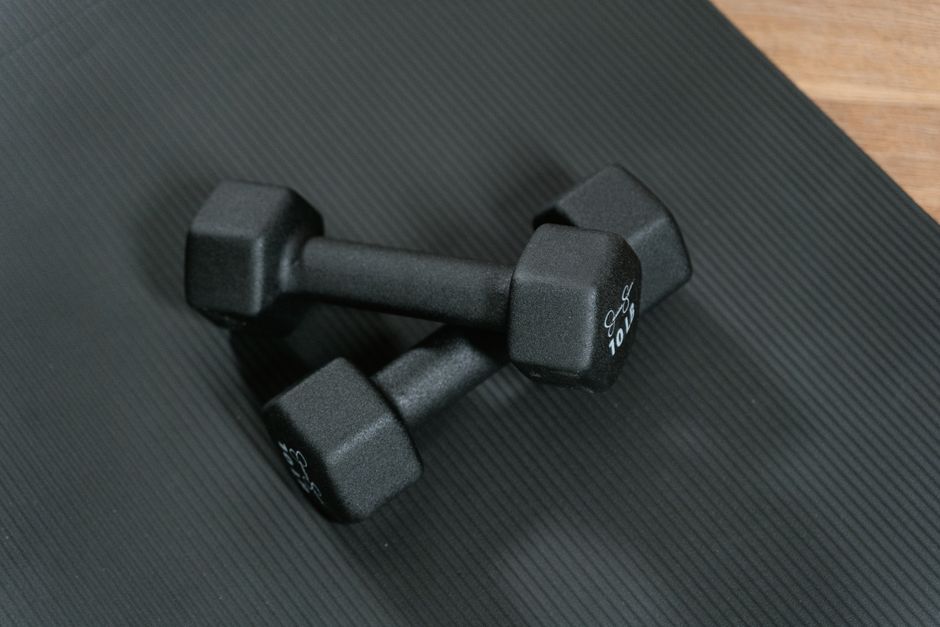
Yes, weight lifting burns fat. But not in the way most people think. The common belief is that cardio is for fat loss and weights are for building muscle. That is not the full picture. Research shows that weight lifting changes your body composition in ways cardio alone cannot. It raises your metabolism for hours after your workout. It preserves muscle while you lose fat. And it changes how your body stores fat in the long run. Here is what the evidence actually says.
How Does Weight Lifting Burn Fat Differently Than Cardio?
Cardio burns more calories during the activity. That part is true. A 30-minute run burns more calories than 30 minutes of lifting weights. But the story does not end when you stop moving.
Weight lifting creates something called excess post-exercise oxygen consumption (EPOC). In plain language, your body keeps burning extra calories for hours after you leave the gym. Your muscles need energy to repair themselves. Your heart rate stays elevated. Your metabolism runs hotter.
One study found that EPOC after resistance training can last up to 38 hours. That means you are still burning calories the next day while sitting at your desk. Cardio does not do that to the same degree. The afterburn effect from running is real but much smaller and shorter.
There is another factor. Weight lifting builds muscle. Muscle tissue burns more calories at rest than fat tissue does. Each pound of muscle burns about 6-7 calories per day just existing. That does not sound like much. But over months of training, gaining 5-10 pounds of lean muscle adds up to a meaningful daily calorie burn that happens automatically.
Cardio does not build significant muscle. In fact, too much steady-state cardio can actually break down muscle tissue for energy. That works against fat loss in the long run.
What Does Research on Weight Lifting and Fat Loss Show?
A 2021 meta-analysis in Sports Medicine looked at 58 studies on resistance training and body fat. The researchers found that weight lifting alone reduced body fat percentage by an average of 1-2% over 10-12 weeks. That might not sound dramatic. But these were people who only lifted weights with no special diet changes.
The same study found that combining weight lifting with a modest calorie deficit produced significantly better results than dieting alone. The people who lifted weights lost more fat and kept more muscle. Muscle preservation matters because losing muscle lowers your metabolism. That is why some people hit a weight loss plateau and cannot push past it.
Another study from 2022 tracked overweight adults doing either cardio or resistance training for eight months. Both groups lost similar amounts of weight. But the resistance training group lost almost exclusively fat. The cardio group lost a mix of fat and muscle. At the end of the study, the weight lifters had a higher resting metabolism. The cardio group did not.
Current research suggests that the best approach for fat loss is not either/or. It is both. But if you had to pick only one for long-term body composition improvement, weight lifting wins.
How Many Calories Does Weight Lifting Actually Burn?
This depends on many factors. Your body weight. The intensity of your workout. How much rest you take between sets. The type of exercises you do.
A 155-pound person burns roughly 100-150 calories during 30 minutes of moderate weight lifting. That is less than running or cycling. But remember the afterburn effect adds maybe another 50-100 calories over the next day.
Compound movements burn more than isolation exercises. A deadlift uses your legs, back, core, and arms all at once. That demands more energy than a bicep curl. If you want to maximize calorie burn during your session, focus on exercises that use multiple muscle groups.
Here is a rough comparison of calorie burn for a 155-pound person doing 30 minutes of activity:
| Activity | Calories Burned During | Afterburn Effect |
|---|---|---|
| Moderate weight lifting | 100-150 | Moderate (hours) |
| Vigorous weight lifting | 150-200 | High (up to 24+ hours) |
| Running (6 mph) | 300-350 | Low (30-60 minutes) |
| Cycling (moderate) | 200-250 | Low (30-60 minutes) |
| Walking (3 mph) | 100-120 | Minimal |
The numbers during the workout favor cardio. But the total 24-hour energy expenditure can be similar or even favor weight lifting when you account for muscle repair and metabolic changes.
What Type of Weight Lifting Burns the Most Fat?
Not all weight lifting is the same for fat loss. How you structure your workout matters more than how much weight you lift.
Circuit training with minimal rest between sets burns the most calories during the session. Your heart rate stays elevated. You are moving almost constantly. This looks more like interval training with weights.
Traditional bodybuilding style training with longer rest periods builds more muscle but burns fewer calories in the moment. That is fine if your primary goal is muscle growth. But for fat loss, you want to keep rest periods short.
The evidence favors moderate to heavy weights with higher repetitions. Think 8-12 reps per set with about 60-90 seconds of rest. This combination stimulates muscle growth while keeping your heart rate up.
Progressive overload is essential. You cannot do the same workout forever and expect continued fat loss. Your body adapts. You need to gradually increase the weight, the number of reps, or the number of sets over time. This forces your muscles to keep growing and your metabolism to keep responding.
Some people report that high-intensity interval training with weights produces the best fat loss results. There is some evidence for this. But it also carries a higher risk of injury if your form breaks down under fatigue. Start with controlled, steady lifting before adding high-intensity elements.
What About Women and Weight Lifting for Fat Loss?
There is a persistent myth that weight lifting makes women bulky. That is not how female physiology works. Women have about 10-20 times less testosterone than men. Building large muscles requires a hormonal environment most women simply do not have.
What weight lifting actually does for women is increase lean muscle mass, which raises resting metabolism. It also changes where the body stores fat. Some studies suggest that resistance training reduces visceral fat — the dangerous fat around your organs — more effectively than cardio alone.
A 2020 study tracked postmenopausal women who did resistance training twice a week for one year. They lost an average of 4% body fat and gained 2% lean mass. Their waist circumference decreased. Their metabolic health markers improved. No one got bulky.
The same benefits apply to older adults. Muscle loss accelerates after age 40. Weight lifting is one of the most effective ways to slow that process. More muscle means a higher metabolism, which makes fat loss easier and weight maintenance more sustainable.
Common Misconceptions About Weight Lifting and Fat Loss
One major myth is that you need to feel the burn in your muscles to know you are burning fat. The muscle burn is from lactic acid buildup. It has nothing to do with fat oxidation. Fat burning happens at the cellular level and you cannot feel it.
Another myth is that spot reduction works. Doing hundreds of crunches will not burn belly fat. Fat loss happens evenly across the body. Where you lose fat first is determined by genetics, not by which muscles you train.
Some people believe that lifting light weights with high reps is better for fat loss than lifting heavy. That is not supported by evidence. Total work output matters more than rep range. Lifting heavier weights for fewer reps can produce the same or greater calorie burn if the total volume is similar.
There is also a belief that you cannot build muscle and lose fat at the same time. This is possible, especially for beginners or people returning after a break. It is called body recomposition. The rate of muscle gain will be slower than if you were focused only on building. But it is a real and well-documented phenomenon.
Frequently Asked Questions About Weight Lifting and Fat Loss
Frequently Asked Questions About weight lifting burn fat
How many days a week should I lift weights to lose fat?
Three to four days per week is the sweet spot based on current research. This gives enough stimulus for muscle growth and metabolic change without overtraining.
Should I do cardio or weights first for fat loss?
Do weights first if your main goal is fat loss. This preserves your strength and energy for lifting, and the afterburn effect still helps with calorie burn later.
Can I lose belly fat by lifting weights?
Weight lifting does not target belly fat specifically. But it reduces overall body fat, and some studies suggest it is especially effective at reducing visceral fat around the organs.
How long until I see results from weight lifting for fat loss?
Most people notice changes in body composition within 8-12 weeks of consistent training. Changes in how clothes fit often appear before changes on the scale.
