
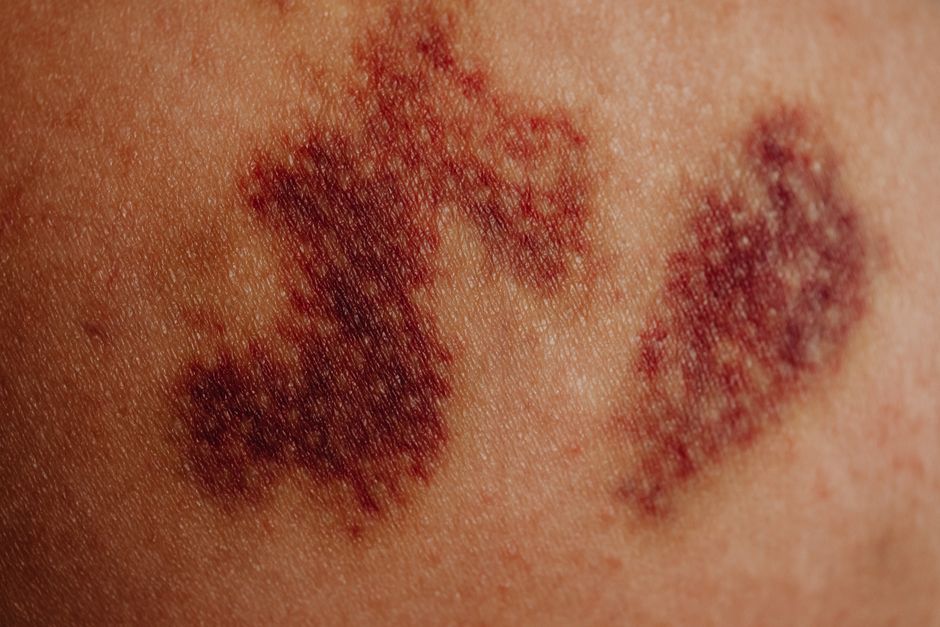
A stubbed toe is one of the most common and painful household injuries. When the big toe takes the brunt of the impact, the blood vessels underneath the nail or in the soft tissue can break, causing a bruise. You can treat most bruised big toes at home with rest, ice, compression, and elevation. The most effective way to speed up healing is to immediately reduce blood flow to the area with ice, keep the foot raised, and avoid putting weight on it for the first 48 hours.
What Causes a Bruised Big Toe?
A bruise happens when small blood vessels called capillaries break under the skin. Blood leaks into the surrounding tissue, which causes the familiar black-and-blue color. In the big toe, this usually comes from a direct impact. Dropping something heavy on your foot, kicking a hard object, or jamming your toe against furniture are all common causes.
The big toe takes a lot of force because it bears a large portion of your body weight when you walk or run. This makes it especially vulnerable to injury. The bruise may appear under the toenail, which is called a subungual hematoma, or in the fleshy part of the toe itself.
How To Treat A Bruised Big Toe And Speed Up Healing
Start treatment as soon as possible after the injury. The first 48 hours are the most important for limiting swelling and pain. The standard approach is the RICE method: rest, ice, compression, and elevation.
Rest means staying off your feet as much as possible. Every step you take delays healing because the toe needs time to repair the broken blood vessels. Use crutches if walking is painful, or simply sit more often than usual.
Ice is the most effective tool for reducing both pain and swelling. Apply an ice pack wrapped in a thin cloth to the toe for 15 to 20 minutes at a time. Do this every 2 to 3 hours during the first day. Never apply ice directly to the skin, as this can cause frostbite. The cold causes the blood vessels to constrict, which limits the amount of blood leaking into the tissue.
Compression helps prevent fluid from building up in the injured area. You can wrap the toe loosely with an elastic bandage. The wrap should be snug but not tight enough to cut off circulation. If your toe turns blue or feels numb, the wrap is too tight.
Elevation means keeping your foot raised above the level of your heart. This uses gravity to drain fluid away from the injury. Lie down and prop your foot up on pillows whenever you are resting. This is especially helpful in the first 24 hours.
Should You Ice or Heat a Bruised Toe?
Use ice for the first 48 hours. Ice reduces swelling and numbs the area, which provides pain relief. Heat does the opposite. It increases blood flow, which can make the bruise larger and the swelling worse during the early phase of healing.
After 48 hours, some people switch to heat to help the body reabsorb the pooled blood. This is a common home practice, though the research on whether it speeds up bruise resolution is limited. If you choose to use heat, keep it gentle and only after the initial swelling has gone down.
There is no strong clinical evidence that alternating ice and heat speeds up bruise healing. The most reliable approach is consistent icing in the first two days, followed by gentle movement once the pain subsides.




When a Bruised Toenail Needs Drainage
If the bruise is under the toenail, blood can build up and create pressure. This pressure causes a throbbing pain that can be intense. When blood collects under the nail, it is called a subungual hematoma.
If the bruise covers less than 25 percent of the nail and is not very painful, it will usually heal on its own. The blood will be reabsorbed over several weeks, and the nail may eventually fall off and grow back. This process can take several months.
If the pain is severe or the bruise covers a large portion of the nail, a clinician may drain the blood. This procedure involves making a small hole in the nail to release the pressure. It provides almost immediate pain relief. Do not attempt to drain the nail yourself at home. Poking a hole in your nail with a hot needle or other object carries a serious risk of infection.
You should see a doctor if you have diabetes, poor circulation, or a weakened immune system. These conditions increase the risk of complications from even minor foot injuries. A foot ulcer or infection can develop quickly in these situations.
Pain Relief Options That Work
Over-the-counter pain relievers can help manage the discomfort. Nonsteroidal anti-inflammatory drugs (NSAIDs) such as ibuprofen and naproxen reduce both pain and inflammation. Acetaminophen relieves pain but does not reduce swelling.
Follow the dosing instructions on the label. If you take blood thinners or have kidney problems, talk to a doctor before taking NSAIDs. These medications can interfere with blood clotting, which may make the bruise larger.
Topical arnica gel is sometimes used for bruises. Some research suggests it may help reduce bruising, but the evidence is not strong. It is generally safe for most people when applied to intact skin, but it is not a substitute for proper RICE treatment.
How Long Does a Bruised Big Toe Take to Heal?
A simple bruise in the soft tissue of the toe typically heals in 1 to 2 weeks. The black-and-blue color fades to green and yellow as the body breaks down and reabsorbs the blood. Pain usually improves significantly within the first few days.
If the bruise is under the toenail, healing takes longer. The nail itself can take 6 to 8 weeks to fully regrow if it falls off. In some cases, it takes several months for a new nail to completely replace the damaged one.
You should be able to walk normally again within a few days, though some stiffness may remain. If the pain is still severe after 3 to 4 days, or if you cannot put any weight on the toe, see a doctor. A bruise can sometimes mask a broken bone.
How to Tell If It Is Broken Instead of Bruised
It can be difficult to tell the difference between a severe bruise and a fracture without an X-ray. Both cause pain, swelling, and discoloration. However, certain signs point more strongly toward a break.
Inability to bear weight on the toe is a significant warning sign. If you cannot stand on the foot at all, or if the toe is visibly deformed or pointing at an odd angle, seek medical care. Numbness, a bone poking through the skin, or an open wound near the injury are also reasons to go to the emergency room.
A broken toe usually takes 3 to 6 weeks to heal, depending on the severity. Treatment for a simple fracture in the big toe often involves buddy taping, where the injured toe is taped to the toe next to it for support. A more complex fracture may require a walking boot or, in rare cases, surgery.
When in doubt, get an X-ray. A misdiagnosed fracture can lead to improper healing, chronic pain, or arthritis in the joint over time.
Tips to Prevent Future Toe Injuries
Most bruised toes are accidents, but some situations increase the risk. Walking barefoot around furniture is the most common preventable cause. Wearing closed-toe shoes at home, especially in low light, reduces the risk of stubbing your toe.
If you play sports that involve kicking or quick direction changes, proper footwear matters. Soccer, martial arts, and football all put the toes at risk. Shoes with reinforced toe boxes provide better protection.
Keeping your home free of clutter and ensuring adequate lighting in hallways and bedrooms can prevent nighttime trips to the bathroom from turning into painful stubbed toes.
When to See a Doctor
Most bruised toes do not require a doctor visit. But there are clear situations where medical evaluation is necessary. Seek care if you have diabetes or peripheral artery disease, as foot injuries can become serious quickly in these conditions.
See a doctor if the pain worsens after the first few days instead of improving. Redness, warmth, or red streaks spreading from the toe can indicate an infection. Fever combined with a toe injury is another reason to seek medical attention.
If the bruise does not change color over several weeks, or if you experience repeated bruising without clear cause, a clinician should evaluate you. Unexplained bruising can sometimes signal an underlying blood clotting disorder.
Frequently Asked Questions
Can I walk on a bruised big toe?
You can walk if the pain is manageable, but limit weight-bearing as much as possible for the first 48 hours. Walking too soon can increase swelling and slow down the healing process.
How long does a bruised big toe take to heal?
Soft tissue bruises typically heal in 1 to 2 weeks. If the bruise is under the toenail, full healing can take several months because the nail needs time to regrow.
Should I pop a blood blister under my toenail?
No, do not pop it yourself. Popping the blister or draining the blood at home carries a high risk of infection. A clinician can drain it safely if the pressure is severe.
Is a bruised toe the same as a broken toe?
No, a bruise is damage to blood vessels while a break is damage to bone. They can feel similar, but an inability to bear weight or visible deformity suggests a fracture. An X-ray is the only way to confirm.
