
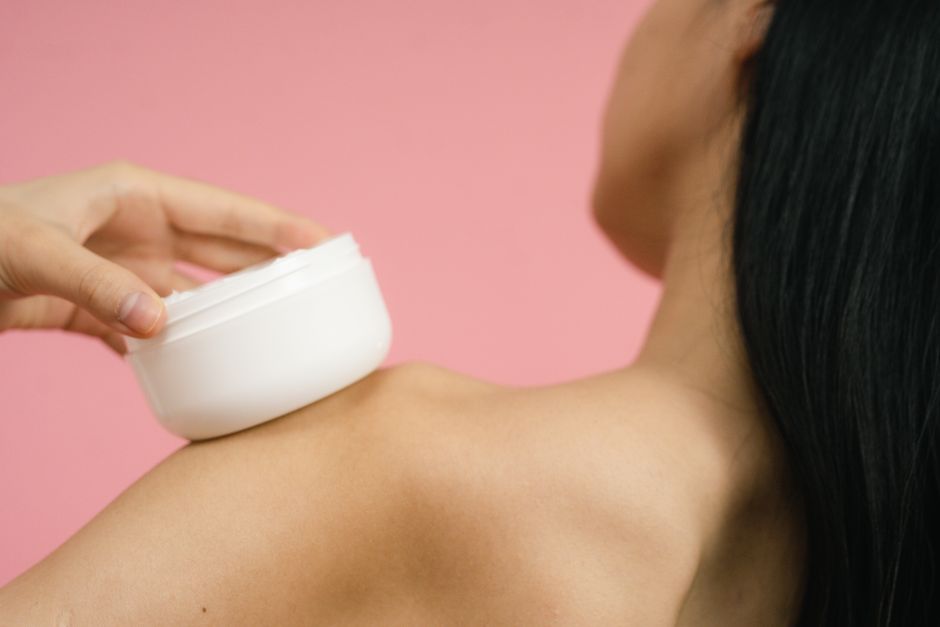
Psoriasis is a chronic immune-mediated condition, not a skin problem you can scrub or moisturize away. Treatment depends on how much of your body is involved and how much it affects your life. Most people start with topical creams, add light therapy or oral medications if needed, and move to biologics when the disease is moderate to severe or when other treatments stop working.
The goal is never a permanent cure. It is control — fewer plaques, less itching, and clear or nearly clear skin for as long as possible. That distinction matters, because it shapes what you should expect from every treatment your dermatologist offers.
How To Treat Psoriasis: Creams, Biologics, And More
Psoriasis treatment is usually built in layers, and the layer you start at depends on severity, location, and how much the condition interferes with daily life.
Doctors often describe psoriasis as mild, moderate, or severe. A common clinical measure is the percentage of body surface area affected. Roughly, less than 3 percent is often considered mild, 3 to 10 percent moderate, and more than 10 percent severe. These cutoffs are approximate and used alongside other factors — the face, hands, feet, and genital area can be disabling even when the total area is small.
Topicals are the standard first step for limited disease. Phototherapy, oral systemics, and biologics enter the picture as involvement grows or when topicals are impractical. This is not a strict ladder. Some people with severe disease start on a biologic right away, and some with mild disease use a topical indefinitely.
One clarification worth making: psoriasis is driven by an overactive immune response, mainly involving T cells and inflammatory signaling molecules. That is why treatments that calm the immune system — not just the surface of the skin — work for moderate to severe disease.
Which Creams And Ointments Actually Work?
Topical treatments reduce inflammation and slow the rapid skin cell turnover that produces plaques. Several classes have solid evidence behind them.
- Corticosteroids. The most commonly prescribed topical for psoriasis. They reduce inflammation and itching and are available in many strengths. Potency is matched to the body site — stronger steroids for thick plaques on the body, milder ones for the face and skin folds. Long-term use on sensitive areas can cause skin thinning, so they are often used in rotation.
- Vitamin D analogs (such as calcipotriene). Slow skin cell growth and are often combined with a steroid. A common approach is a steroid on weekends and a vitamin D analog on weekdays, though regimens vary.
- Coal tar. One of the oldest treatments still in use. It reduces scaling and itching. It is messy and has an odor, which limits how many people stick with it.
- Retinoids (such as tazarotene). Help normalize skin cell turnover. They can irritate, and they are not used during pregnancy.
- Calcineurin inhibitors. Non-steroid options sometimes used on the face and in skin folds, where steroids carry more risk of thinning.
- Salicylic acid. Not an anti-inflammatory. It softens and removes scale, which can help other topicals penetrate. It is a helper, not a standalone treatment.
How you apply a topical matters as much as what you apply. Thick plaques absorb medication poorly. Softening scale first, then applying the medication to damp skin, can improve results. Your dermatologist can tell you which strength is appropriate for which part of your body — this is not a decision to make on your own, because potency varies widely and the wrong strength in the wrong place can cause harm.
When Are Biologics The Right Choice?
Biologics are the most effective treatments currently available for moderate to severe plaque psoriasis. They are lab-made proteins given by injection or infusion that target specific steps in the immune response.
The main classes target different inflammatory signals:
- TNF inhibitors. An older class that blocks tumor necrosis factor, a key inflammatory messenger.
- IL-17 inhibitors. Target interleukin-17, a pathway strongly involved in psoriasis plaque formation.
- IL-23 inhibitors. Target interleukin-23, which sits upstream in the inflammatory chain.
- IL-12/23 inhibitors. Block two related signaling molecules.
These are not interchangeable. Different biologics have different dosing schedules, different levels of evidence for specific body areas, and different side effect profiles. Some are more effective for plaque psoriasis on the body; some have better evidence for scalp, nails, or palmoplantar disease. Your dermatologist weighs these differences against your history.
Because biologics suppress parts of the immune system, they can raise the risk of certain infections. Doctors screen for tuberculosis and hepatitis before starting treatment, and they monitor for infections during treatment. This is standard practice, not an optional step.
Biologics are typically considered when topicals and at least one other systemic approach have not worked well enough, or when the disease is severe enough at the outset that starting with a biologic is reasonable. Cost and insurance coverage are real barriers in the US, and some people need prior authorization or step therapy before a biologic is approved.



What About Light Therapy And Oral Medications?
Phototherapy and oral systemics sit between topicals and biologics for many people, and for some they work well enough that a biologic is never needed.
Phototherapy uses controlled ultraviolet light, usually narrowband UVB, delivered in a clinic. It is effective for widespread plaques and is often used two to three times per week. It requires consistent visits, which is a practical limitation. PUVA, which combines a light-sensitizing drug with UVA light, is also used but carries a higher long-term skin cancer risk and is generally reserved for specific situations.
Oral systemics include methotrexate, cyclosporine, and apremilast. Methotrexate and cyclosporine are older immunosuppressants that require regular blood monitoring. Apremilast is a newer oral medication that works differently and does not require the same level of monitoring, though it is generally considered less potent than biologics for severe disease.
These treatments are not interchangeable either. Methotrexate is not used during pregnancy. Cyclosporine is typically used for limited periods because of kidney and blood pressure effects with long-term use. The choice depends on your overall health, other medications, and how long treatment is expected to continue.
What Else Helps Beyond Medication?
Treatment does not stop at the prescription. A few practical points are well established.
Moisturizing regularly helps reduce scaling and cracking, which can make plaques more comfortable and improve how well topicals work. Fragrance-free emollients are a reasonable choice.
Identifying and avoiding triggers can reduce flare frequency. Common triggers include stress, skin injury, infections such as strep throat, and certain medications. Some people notice flares with alcohol or smoking. The evidence for specific dietary triggers is limited and mixed — no single diet has been shown to reliably control psoriasis.
Psoriasis is associated with other conditions, including psoriatic arthritis, cardiovascular disease, and metabolic syndrome. This is not a reason to panic, but it is a reason to keep regular medical care and tell your doctor about joint pain, stiffness, or swelling, which can signal psoriatic arthritis.
Be cautious with products marketed as psoriasis cures. No cream, supplement, or device has been shown to permanently cure psoriasis. If a product claims to, that claim is not supported by clinical evidence.
How Do You Know If Treatment Is Working?
Improvement is usually measured in weeks to a few months, not days. Topicals may show some effect within a few weeks. Biologics often produce noticeable clearing within several weeks to a few months, with many people reaching significant improvement by around three to four months. These timelines vary by person and by treatment.
A reasonable target is not always completely clear skin. Many clinicians aim for clear or almost clear skin, but reducing plaques, itching, and the impact on daily life is a meaningful result even if some patches remain.
If a treatment is not working after an adequate trial, that is information, not failure. It usually means the next step is a different class or a combination. Treatment for psoriasis is often adjusted over time, and finding the right approach can take more than one attempt.
Frequently Asked Questions
Can psoriasis be cured with creams?
No. Creams can control plaques and reduce symptoms, but they do not cure psoriasis because the underlying immune response remains.
Are biologics safe for long-term use?
Biologics are generally used long-term for moderate to severe psoriasis, and many people take them for years under medical monitoring. They do raise the risk of certain infections, so screening and follow-up care are required.
Which is better, a biologic or a cream?
Neither is better in general — the right choice depends on how much of your body is affected and how much the condition affects your life. Biologics are typically used for moderate to severe disease, while creams are usually the first step for limited disease.
How long before psoriasis treatment starts working?
Topicals may show some effect within a few weeks, while biologics often produce noticeable improvement over several weeks to a few months. Response times vary by person and treatment.
