
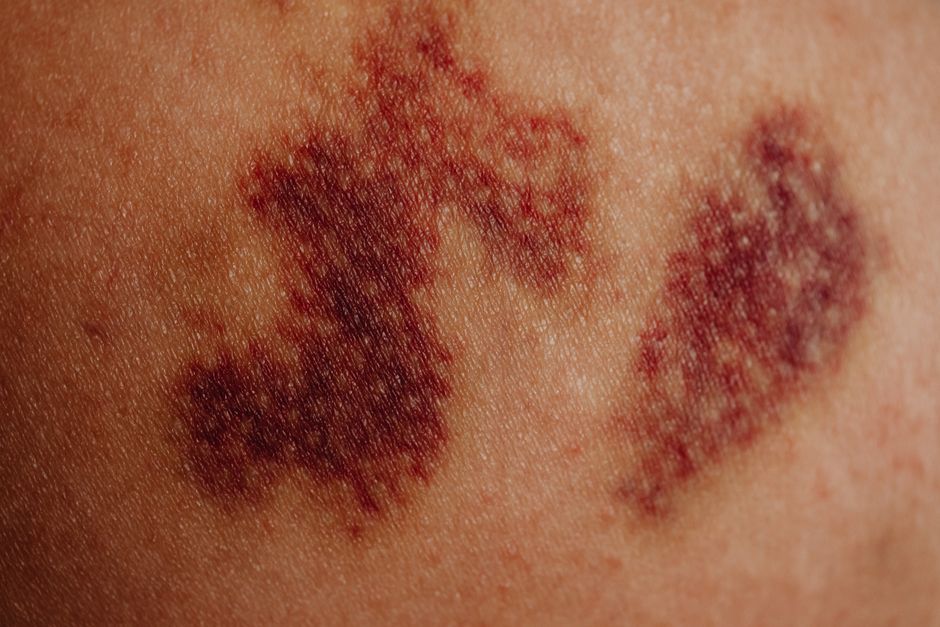
Yes, bones can be bruised. The injury is real, it has a name, and it hurts in a way that surprises most people — a deep, boring ache that keeps going long after the moment of impact. Doctors call it a bone contusion, and it happens when the hard outer layer of a bone takes a direct hit without cracking.
Bones look solid, but they are living tissue. They carry their own blood supply, their own nerves, and a thin membrane wrapped around the outside called the periosteum. That membrane is packed with nerve endings, which is a big reason a bone injury hurts so much more than the size of the injury might suggest.
What makes a bone bruise tricky is that it rarely shows up on a standard X-ray. People are often told nothing is broken, sent home, and left wondering why the pain is still there weeks later. Here is what is actually happening inside the bone, and what the evidence says about healing.
What Actually Happens Inside a Bruised Bone?
A bone bruise is bleeding and swelling inside the bone itself. When something strikes with enough force, tiny blood vessels within the bone and the periosteum tear. Blood leaks into the surrounding tissue, fluid builds up, and the area becomes inflamed.
This is different from a fracture. In a fracture, the bone breaks or cracks. In a contusion, the bone structure stays intact but the tissue inside it is damaged. Doctors sometimes describe it as a microscopic fracture — injury at a scale too small to see clearly on plain X-rays.
The periosteum deserves a closer look. It is a tough, thin layer that covers most of the bone surface, and it contains a dense network of nerve fibers. When it gets compressed or stretched, the pain signals it sends are sharp and immediate. That is why a knock to the shin can hurt far more than the force of the impact would predict.
Bone marrow — the soft tissue in the center of many bones — can also bleed and swell. Marrow is rich in blood vessels, so it is vulnerable to this kind of injury.
How Do You Know If You Bruised a Bone or Broke One?
You often cannot tell on your own. The symptoms overlap enough that even clinicians may need imaging to sort it out. That is not a gap in your judgment — it is the nature of these injuries.
Some patterns do point in one direction more than the other, though they are not reliable on their own:
- Bone bruise: deep, aching pain that builds over hours, tenderness directly over the bone, swelling that develops gradually, pain that lingers for weeks
- Fracture: sharp pain at the moment of injury, pain that is severe with any movement or weight-bearing, visible deformity, inability to put weight on the limb
One detail that matters: a bone bruise can hurt more than a minor fracture in some cases. Pain intensity alone is not a dependable guide. The periosteum’s nerve density means a contusion can be genuinely more painful than a small crack.
If you cannot bear weight, if the limb looks deformed, or if the pain is getting worse rather than better over the first day or two, that warrants medical evaluation. Those signs raise concern for a fracture or another injury that needs imaging.
Why Doesn’t a Bone Bruise Show Up on an X-Ray?
Standard X-rays show bone density and structure. A bruise does not change either one. The bone is still the same shape and the same density, so it looks normal on film even when it is injured.
This is a common source of frustration. Someone goes to urgent care, gets an X-ray, hears “nothing is broken,” and assumes the injury must be minor. The pain then continues for weeks, and the person starts to doubt what they are feeling.
MRI is the imaging tool that can detect a bone bruise. It shows fluid and blood within the bone that X-rays cannot. That said, MRI is not routinely ordered for every bone injury. It tends to be used when the diagnosis is unclear, when symptoms are not improving as expected, or when a more serious injury is being ruled out.
CT scans can also pick up some bone contusions, though they are less sensitive than MRI for this purpose. Ultrasound is generally not useful for looking inside bone.
How Long Does a Bone Bruise Take to Heal?
Longer than most people expect. A typical bone bruise takes longer to heal than many minor fractures. This surprises people, but it makes sense once you understand the tissue involved.
Bone has a blood supply, but it is not as rich as the blood supply to muscle or skin. Healing depends on blood delivering the cells and nutrients needed for repair. When that delivery is slower, recovery is slower.
General timelines reported in the medical literature put most bone bruises in the range of one to several months for full recovery. Some people feel substantially better within a few weeks. Others have lingering soreness for considerably longer, especially with injuries in weight-bearing bones like the knee, hip, or heel.
Several factors affect how long it takes:
- Which bone is involved — weight-bearing bones tend to heal more slowly because they cannot rest completely
- How severe the initial impact was
- Whether the person keeps using the injured area
- Age and general health
There is no treatment that speeds up bone bruise healing in a proven way. Rest, avoiding re-injury, and managing pain are the mainstays. Some clinicians recommend ice and elevation early on to reduce swelling, though the evidence for these measures specifically in bone bruises is limited.
Which Bones Get Bruised Most Often?
Certain bones show up again and again in bone bruise cases. The pattern follows where the body takes direct hits.
The knee is one of the most common sites. Bone bruises there often happen alongside ligament injuries, particularly to the ACL. A knee that twists or hyperextends can bruise the bone surfaces where they collide. This is one reason doctors sometimes order an MRI after a significant knee injury even when X-rays look clean.
Other frequently injured bones include:
- The shin (tibia) — vulnerable to direct blows
- The heel (calcaneus) — common after falls onto the feet
- The hip and pelvis — seen in falls and high-impact sports
- The wrist and hand — from falls onto an outstretched arm
- The spine — less common but possible after significant trauma
Bone bruises are also well documented in sports medicine. They are a recognized finding in athletes who take hard contact, and they can sideline a player for weeks even when nothing is broken.
Can a Bone Bruise Cause Long-Term Problems?
Usually not. Most bone bruises heal without lasting consequences. But there are situations worth knowing about.
Some research suggests that bone bruises in certain joints may be associated with later cartilage changes. The evidence here is not fully settled, and it does not mean every bone bruise leads to joint problems. It does mean that a significant bone bruise in a major joint is worth taking seriously rather than pushing through.
There is also a practical risk: if a bruised bone is not given time to heal, repeated stress on it can worsen the injury. What started as a contusion can progress to a stress reaction or even a stress fracture with continued use. That progression is a real concern in athletes and in people whose jobs involve repetitive impact.
For most people, though, the outlook is good. The pain fades, the swelling resolves, and the bone returns to normal. The key is patience — something that is genuinely hard when the injury does not look serious on an X-ray.
What Should You Do If You Think You Bruised a Bone?
Get it checked if the pain is significant, if you cannot use the limb normally, or if you are unsure whether something is broken. That evaluation is about ruling out a fracture, not about confirming a bruise.
Once a fracture is ruled out, the approach is mostly about giving the bone time. That means:
- Avoiding activities that cause pain or direct impact to the area
- Resting the limb as much as practical
- Using over-the-counter pain relief if needed, following label directions and checking with a clinician if you take other medications
- Ice and elevation early on, if a clinician recommends it, to help with swelling
- Returning for follow-up if pain is not improving or is getting worse
One point worth stating plainly: pushing through the pain does not toughen up a bone bruise. It delays healing and raises the risk of a worse injury. The bone needs time, and there is no shortcut around that.
If you are ever in doubt about whether an injury is a bruise or a break, get it looked at. That is not being overly cautious. It is the sensible move when the two can feel so similar.
Frequently Asked Questions
Can bones be bruised without a fracture?
Yes. A bone bruise involves bleeding and swelling inside the bone while the bone structure stays intact. It is a distinct injury from a fracture, though the two can feel similar.
How long does a bruised bone take to heal?
Most bone bruises take several weeks to a few months to fully heal, which is often longer than a minor fracture. Healing time depends on which bone is involved and how much stress it continues to bear.
Does a bone bruise show up on an X-ray?
No, a standard X-ray usually looks normal with a bone bruise because the bone’s density and shape are unchanged. MRI is the imaging method that can detect the fluid and blood inside the bone.
Is a bone bruise worse than a fracture?
Not in terms of structural damage, since the bone is not broken. But a bone bruise can hurt more than a minor fracture because the periosteum, the membrane around the bone, is dense with nerve endings.
