
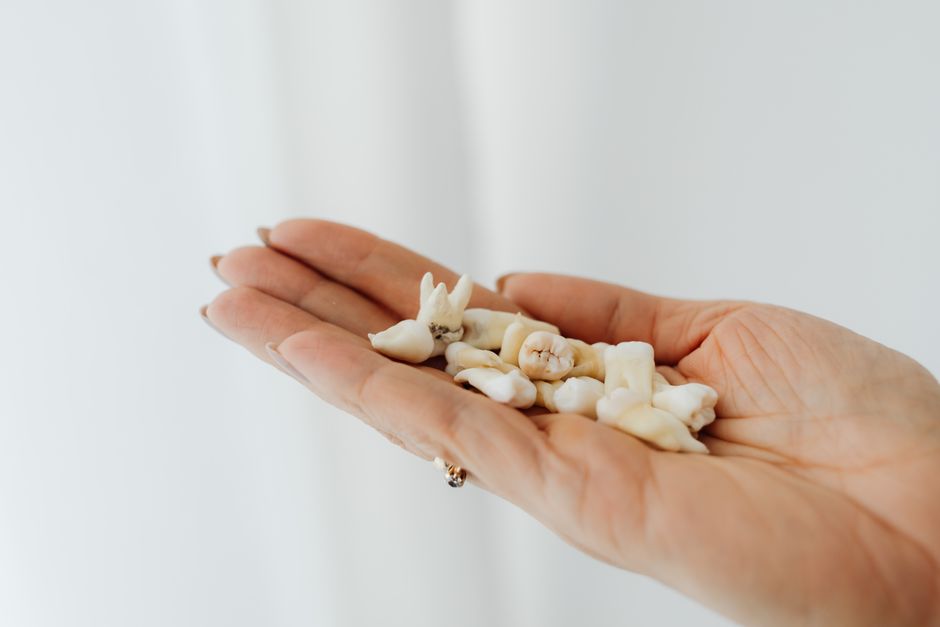
A loose tooth in an adult feels alarming. Unlike children, adults should not expect teeth to wiggle. If you have a loose tooth, the first question is not how to fix it at home — it is why it is loose in the first place. The honest answer is that you cannot truly tighten a loose tooth naturally at home. What you can do is address the cause, reduce further damage, and support the structures that hold the tooth in place. The only permanent fix comes from a dentist.
Why Is My Tooth Loose In The First Place?
A tooth is held in place by the periodontal ligament, a group of fibers that connect the tooth root to the jawbone. The ligament allows microscopic movement, but a visibly loose tooth means that support system has failed or is failing.
The most common cause in adults is gum disease, also called periodontal disease. Bacteria build up below the gumline and trigger chronic inflammation. Over time, that inflammation destroys the ligament and the bone that anchors the tooth. This process is slow and often painless, which is why many people do not notice it until the tooth moves.
Other causes include injury, teeth grinding, and clenching. Grinding puts repeated force on the teeth and can loosen them over time. A sudden blow to the mouth can loosen a tooth immediately. Less common causes include osteoporosis, hormonal changes during pregnancy, and certain medical conditions.
If the tooth is loose because of gum disease, no home remedy will reattach it. The bone loss is permanent. A dentist can sometimes save the tooth with deep cleaning, medication, or surgery — but only if the damage is caught early enough.
Can You Actually Tighten A Loose Tooth Naturally At Home?
No. No home remedy, oil, herb, or supplement has been proven to reattach a tooth to its socket. The idea that natural treatments can tighten a loose tooth is not supported by clinical evidence.
What natural approaches can do is support gum health and slow the progression of gum disease. Good oral hygiene, anti-inflammatory foods, and certain rinses may reduce gum inflammation. Healthier gums mean less active destruction of the supporting tissues. But this is prevention and support — not reattachment.
Some people try to tighten a loose tooth by pressing on it, pushing it back into place, or using fingers to wiggle it back. This is dangerous. You can damage the ligament further and push bacteria deeper into the gum pocket. Never force a loose tooth back into position.
If the looseness is caused by an injury and the tooth is still in its normal position, a dentist may splint it to neighboring teeth for a few weeks. This gives the ligament time to heal. That is a dental procedure, not a home remedy.
What Home Practices Actually Help Gum Health?
While no home treatment can tighten a tooth, several practices genuinely support gum health. These are worth doing — they reduce inflammation and may slow the disease process.
Salt water rinses are the most evidence-supported home practice for gum inflammation. Salt water is mildly antibacterial and helps reduce swelling. Mix about half a teaspoon of salt in a glass of warm water and swish gently for 30 seconds. Do not rinse vigorously — that can disturb the loose tooth further. Do this twice daily.
Oil pulling is popular but the evidence is weak. Some studies suggest coconut oil or sesame oil rinses may reduce plaque and gum inflammation, but the research is limited and inconsistent. If you try it, swish for 10 to 15 minutes and spit it out. Never swallow it. But understand this: oil pulling has never been shown to reattach a loose tooth.
Gentle brushing and flossing matter more than any remedy. Brush along the gumline with a soft brush using small circular motions. Floss carefully between teeth. Be gentle around the loose tooth. Aggressive brushing can accelerate gum recession and make the problem worse.
Anti-inflammatory foods may help systemically. Omega-3 fatty acids found in fish, walnuts, and flaxseed have been studied for their role in reducing gum inflammation. Vitamin C is essential for collagen production, which is a major component of the periodontal ligament. Some research suggests people with higher vitamin C intake have healthier gums. But no food can reverse existing bone loss.



What Should You Absolutely Not Do?
Certain popular “natural” remedies for loose teeth are not just ineffective — they are harmful.
- Do not pull the tooth. If it is loose and painful, leave it alone. Pulling it can break the root and cause infection.
- Do not use superglue or dental adhesives from the pharmacy. These are not designed for loose teeth and can damage the gums and tooth surface.
- Do not apply direct pressure. Pushing the tooth back into place can injure the ligament and blood vessels.
- Do not use harsh mouthwashes containing alcohol. They can irritate already inflamed gums.
- Do not chew on that side of the mouth. Give the tooth and its supporting tissues a rest.
If you smoke, stop. Smoking is one of the strongest risk factors for gum disease and it impairs healing. Smokers respond worse to periodontal treatment than non-smokers. This is one of the most important lifestyle changes you can make for your oral health.
When Is A Loose Tooth A Dental Emergency?
A loose tooth after a fall, a sports injury, or any blow to the face should be evaluated by a dentist or an emergency room immediately. The sooner a dentist can reposition and splint the tooth, the better the chance of saving it.
A loose tooth accompanied by swelling, pus, fever, or severe pain may indicate an abscess. This is an infection that requires urgent dental care. Do not wait to see if it resolves on its own.
If the tooth is loose due to gum disease, it is not typically an emergency in the same way, but it is urgent. The sooner you see a dentist, the more of the supporting bone can be saved. Periodontal treatment in the early stages is far more effective than treatment after significant bone loss.
What Will A Dentist Actually Do?
Treatment depends entirely on the cause.
For gum disease, the first step is usually a deep cleaning called scaling and root planing. The dentist or hygienist removes plaque and tartar from below the gumline and smooths the root surface. This allows the gums to reattach to the tooth — at least partially. In more advanced cases, antibiotics may be placed directly into the gum pockets.
For a tooth loosened by injury, the dentist may splint it to the adjacent teeth with wire or composite material. This holds the tooth stable while the ligament heals. The splint is usually removed after a few weeks.
For teeth grinding, a custom night guard protects the teeth from further damage. The guard does not tighten the tooth, but it stops the repeated trauma that caused the looseness.
In severe cases where bone loss is extensive, the tooth may need to be extracted. A dental implant or bridge can replace it. Saving a tooth with severe periodontal disease is not always possible, and keeping it can sometimes harm the surrounding bone.
How To Tighten A Loose Tooth Naturally At Home — The Real Answer
The honest answer to “how to tighten a loose tooth naturally at home” is that you cannot. No natural remedy has been proven to reattach a tooth. What you can do at home is support your gum health, reduce inflammation, and avoid making the problem worse.
Salt water rinses, gentle brushing, and a nutrient-rich diet are all genuinely helpful for your gums. But they are supportive measures, not cures. If a tooth is loose, the underlying cause must be treated by a professional. The longer you wait, the more bone you lose — and bone loss is permanent.
See a dentist as soon as possible. That is the only path that can actually save the tooth.
Frequently Asked Questions
Can a loose tooth tighten back up on its own?
Sometimes, if the looseness is caused by a minor injury and the ligament is intact, a tooth can re-stabilize with rest. But if gum disease is the cause, the tooth will not tighten back up without professional treatment.
Is oil pulling safe for a loose tooth?
Oil pulling is safe for most people, but it has not been shown to reattach a loose tooth. Swish gently and spit it out — never swallow it.
How long can a loose tooth survive with gum disease?
There is no set timeline. It depends on the severity of the bone loss and whether you receive treatment. Without treatment, the tooth will eventually fall out or need extraction.
Can I save my loose tooth at home?
No home remedy can save a loose tooth. Only a dentist can treat the underlying cause, whether that is gum disease, injury, or grinding.
