
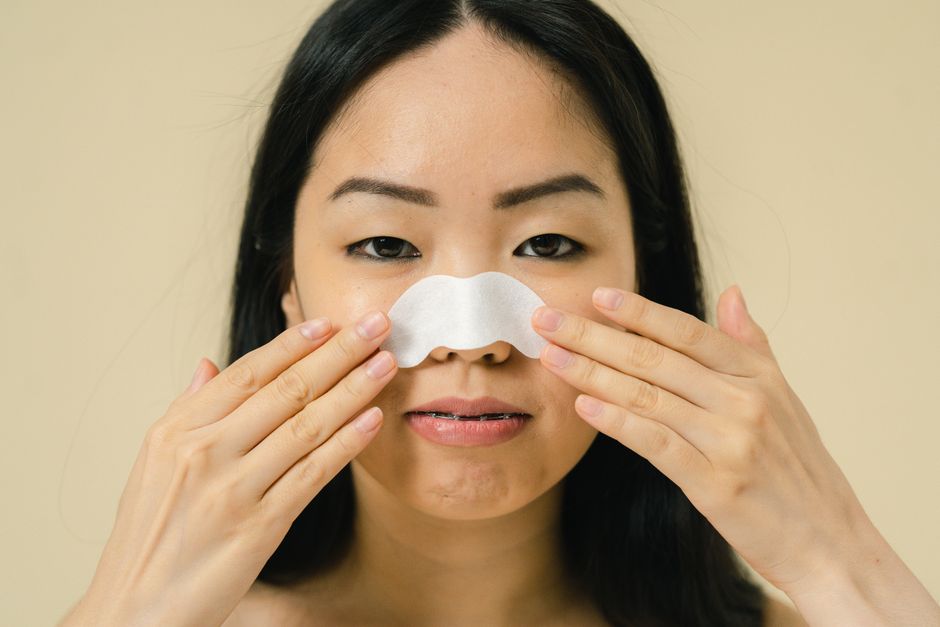
Pores do not open and close like doors, and no natural ingredient can permanently change their size. What you can do is make them appear smaller by keeping them clear of oil and debris, protecting the skin’s collagen, and using ingredients that gently tighten the skin’s surface. The most effective approach combines consistent cleansing, targeted skincare ingredients, and sun protection — not harsh scrubs or pore strips.
What Causes Large Pores in the First Place?
Your skin has millions of tiny openings called pores. Each one is the opening of a hair follicle and an oil gland. Pores are most visible on the face, especially on the nose, cheeks, and forehead. Their size is largely determined by your genetics, just like your eye color or height. If your parents had visible pores, you likely will too.
Age plays a major role as well. Over time, your skin loses collagen and elastin — the proteins that keep skin firm. As skin loses its firmness, the walls around each pore weaken. The pore then appears larger because it no longer has the surrounding support to keep it tight. Sun exposure accelerates this collagen breakdown more than any other environmental factor.
Oil production also matters. People with oily skin tend to have more visible pores. Excess sebum mixes with dead skin cells and can stretch the pore opening. This is why pores often look larger in the T-zone, where oil glands are most active. When a pore becomes fully blocked, it forms a blackhead, which stretches the pore even further.
Why Pore Strips and Harsh Scrubs Make Things Worse
Pore strips are a popular quick fix. You peel them off and see visible debris stuck to the strip. It feels satisfying, but it does not shrink your pores. In fact, aggressive pulling can damage the delicate skin around the pore. This damage can lead to inflammation and, over time, make the pore look even larger.
Harsh physical scrubs create a similar problem. Scrubbing your face with rough particles removes the top layer of oil, but it also causes microscopic tears in the skin. Your skin responds by producing more oil to compensate, which can actually worsen the appearance of pores. Some dermatologists also warn that aggressive scrubbing can trigger post-inflammatory hyperpigmentation, especially in darker skin tones.
Instead of fighting your skin, the goal is to work with it. Gentle, consistent care produces better long-term results than aggressive treatments. Your skin barrier needs to stay intact to protect against irritation and infection. When the barrier is compromised, pores appear more prominent, not less.
Can You Actually Shrink Pores Naturally?
The honest answer is that no natural remedy can permanently reduce pore size. Pores have no muscles, so they cannot contract on their own. What natural and over-the-counter ingredients can do is minimize their appearance by addressing the factors that make them look large.
When a pore is filled with oil and dead skin, it looks larger. When it is empty and the skin around it is firm, it looks smaller. This is why the most effective “natural” approach is about keeping pores clear and supporting skin elasticity — not about physically shrinking the pore itself.
Some natural ingredients have genuine evidence behind them. Green tea extract contains polyphenols that may help regulate oil production. Witch hazel has astringent properties that can temporarily tighten the skin. Niacinamide, a form of vitamin B3, has been shown in clinical studies to reduce pore appearance by improving skin elasticity and regulating sebum. These ingredients are gentle enough for most skin types when used as directed.





How To Shrink Pores Naturally: Skincare Routine That Works
Building an effective routine does not require expensive products. It requires consistency and the right ingredients. Start with a gentle cleanser that removes oil without stripping your skin. Look for cleansers with salicylic acid or glycolic acid, which help dissolve the buildup inside pores.
Salicylic acid is particularly useful because it is oil-soluble. This means it can penetrate into the pore and break down the sebum and dead skin cells trapped inside. Glycolic acid works on the surface, gently exfoliating the top layer of skin so pores appear smoother. Both are available in over-the-counter concentrations that are safe for daily use.
After cleansing, apply a lightweight moisturizer. Many people with oily skin skip this step, thinking it will make pores worse. The opposite is true. When your skin is dehydrated, it produces more oil to compensate. A non-comedogenic moisturizer — meaning it will not clog pores — keeps your skin hydrated and can actually reduce excess oil production over time.
During the day, sunscreen is non-negotiable. UV exposure breaks down collagen, and collagen loss is one of the primary causes of enlarged pores as you age. A broad-spectrum sunscreen with SPF 30 or higher protects the collagen you still have. Some research suggests that daily sunscreen use can even allow existing collagen to rebuild slowly.
For those who want a more targeted approach, topical retinoids are the most evidence-backed option. Retinoids, derived from vitamin A, increase cell turnover and stimulate collagen production. Over-the-counter retinol is a good starting point. Prescription-strength retinoids like tretinoin are more potent and require a dermatologist’s supervision. Both have been shown in clinical studies to reduce the appearance of pores over several months of consistent use.
DIY Face Masks: What Works and What Is Just a Trend
DIY masks are popular on social media, but most do not have clinical evidence behind them. Some can cause real harm. Lemon juice, for example, is highly acidic and can irritate the skin, disrupt the skin barrier, and increase sun sensitivity. Baking soda is alkaline and can strip the skin of its natural oils, leading to rebound oil production.
There are a few DIY ingredients with mild evidence of benefit. Egg white masks have been used traditionally to tighten skin, though no clinical trials have confirmed their effectiveness. The tightening sensation you feel is temporary and disappears when the mask is washed off. Similarly, clay masks can absorb excess oil from the skin’s surface. This can make pores look cleaner and smaller immediately after use, but the effect lasts only a few hours.
If you enjoy DIY masks, use them occasionally as a self-care ritual rather than as a medical treatment. Oatmeal masks are gentle and can soothe irritated skin. Honey has natural antibacterial properties and can be hydrating. These are safe for most people, but they will not change your pore size permanently. No DIY ingredient has been shown to do that.
Professional Treatments for Stubborn Pores
If at-home care is not enough, dermatologists offer professional treatments that produce more dramatic results. Chemical peels use higher concentrations of acids to exfoliate the skin more deeply. Microdermabrasion physically removes the top layer of dead skin cells. Both can improve the appearance of pores, though multiple sessions are typically needed.
Laser treatments and radiofrequency therapy work by heating the deeper layers of the skin. This heat stimulates collagen production, which tightens the skin around pores over time. These procedures are more expensive and require downtime, but clinical studies show they can produce lasting improvement in pore appearance.
Microneedling is another option that has gained popularity. A device with tiny needles creates microscopic injuries in the skin. This triggers the body’s natural healing response, which includes collagen production. Some dermatologists recommend microneedling specifically for enlarged pores, and the evidence is growing, though results vary. These treatments should only be performed by licensed professionals in a clinical setting.
Lifestyle Factors That Affect Pore Appearance
Your daily habits influence how your pores look. Diet is one factor that is often overlooked. Some research suggests that high-glycemic foods — those that spike blood sugar quickly — may increase oil production. Foods like white bread, sugary drinks, and processed snacks fall into this category. The evidence is not conclusive, but some studies indicate a link between these foods and acne severity.
Sleep matters more than most people realize. During deep sleep, your body repairs skin cells and regulates hormone levels. Chronic sleep deprivation raises cortisol, a stress hormone that can stimulate oil production. Aim for seven to nine hours of quality sleep per night to give your skin time to recover.
Stress management is also relevant. When you are stressed, your body produces more cortisol and androgens. These hormones can increase sebum production, making pores look larger and more prone to blockages. Regular exercise, meditation, or any activity that helps you unwind can indirectly improve your skin’s appearance.
One often-overlooked factor is how you wash your face. Washing with very hot water strips natural oils and can irritate the skin. Very cold water temporarily constricts blood vessels, which may make pores look smaller for a few minutes, but this effect fades quickly. Lukewarm water is the best choice for cleansing.
What Not to Do: Myths That Can Damage Your Skin
Several viral trends claim to shrink pores but do not work. Ice rolling is one example. Applying ice to your face causes blood vessels to constrict, which can temporarily reduce redness and make pores look smaller. The effect lasts only minutes. There is no evidence that ice changes pore size permanently, and icing too aggressively can damage the skin barrier.
Pore vacuums are suction devices that claim to extract oil and debris from pores. Dermatologists warn that these devices can cause bruising, broken capillaries, and inflammation when used incorrectly. Even when used properly, they do not prevent pores from filling up again.
Avoid picking or squeezing blackheads at home. This can push debris deeper into the pore, cause infection, and lead to scarring. Scar tissue can make the pore appear permanently enlarged. If you have persistent blackheads, a dermatologist can extract them safely using sterile tools.
Remember that makeup and skincare products labeled “non-comedogenic” are tested to ensure they do not block pores. This label is not a marketing gimmick — it represents a real standard in dermatological testing. Choosing non-comedogenic products is one of the simplest ways to prevent pore blockages.
Frequently Asked Questions
Can ice really shrink pores naturally?
Ice temporarily constricts blood vessels, which can make pores look smaller for a few minutes, but the effect fades quickly. No evidence shows that ice changes pore size permanently.
Does baking soda shrink pores?
No. Baking soda is alkaline and can strip your skin of natural oils, leading to irritation and increased oil production. It has no proven effect on pore size.
How long does it take to see results from pore-minimizing skincare?
Most clinical studies show that consistent use of ingredients like retinol or niacinamide takes at least 8 to 12 weeks before visible improvement appears. Pores do not change overnight, and results require ongoing maintenance.
Are pore strips safe to use?
Pore strips are generally safe for occasional use, but they can irritate sensitive skin and do not prevent future blockages. Aggressive pulling can damage the skin around the pore and make it appear larger over time.
