
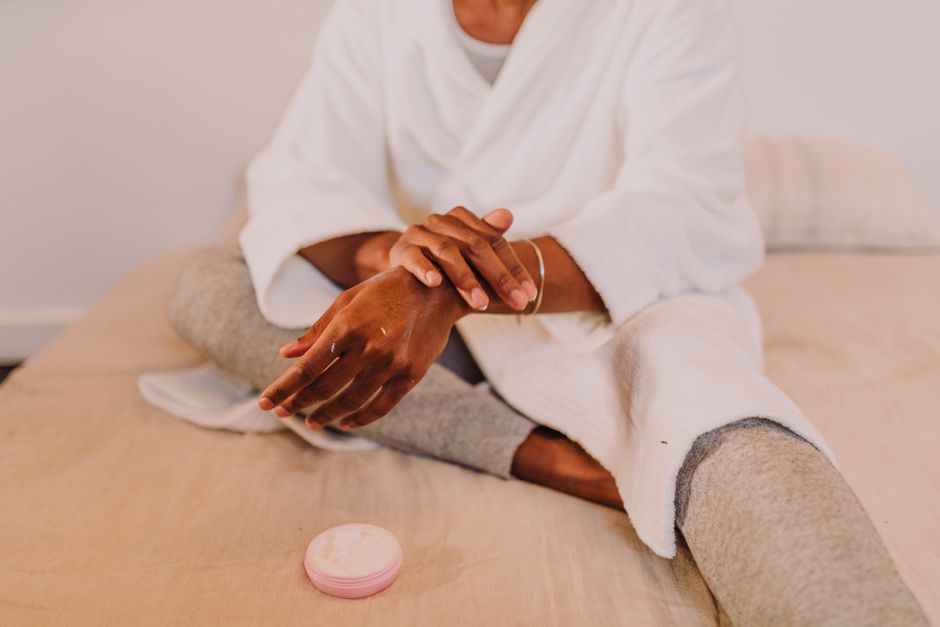
Nummular eczema, also called discoid eczema, shows up as coin-shaped, itchy patches on the skin. Treating it at home focuses on restoring the skin barrier, reducing irritation, and controlling inflammation. You can manage flare-ups naturally with consistent moisturizing, gentle bathing, and identifying your specific triggers, though severe cases may still require medical treatment.
What Causes Nummular Eczema and Why It Flares
Nummular eczema is not fully understood. It is not the same as atopic dermatitis, though both are forms of eczema. The patches are distinct — round or oval, often on the arms, legs, or torso.
Known triggers include dry skin, harsh soaps, hot water, wool clothing, and stress. Some people develop patches after skin injury, like a bug bite or scrape. Cold, dry winter air is a common trigger because it strips moisture from the skin.
One important detail: nummular eczema is often mistaken for ringworm, a fungal infection. If you are unsure what you have, see a doctor. The treatments are completely different.
How To Treat Nummular Eczema Naturally At Home: The Core Routine
Natural treatment for nummular eczema is built on one foundation: repairing the skin barrier. The skin in nummular eczema patches is dry, cracked, and unable to hold moisture. Every step of your routine should support that barrier.
Moisturize immediately after bathing. Apply a thick, fragrance-free moisturizer within three minutes of stepping out of the shower or bath. This traps water in the skin. Creams and ointments work better than lotions because they contain more oil.
Choose the right moisturizer. Look for products with ceramides, petrolatum, or shea butter. These ingredients mimic the skin’s natural oils. Avoid anything labeled “fragrance” or “perfume” — even natural essential oils can irritate broken skin.
Bathe less often and use lukewarm water. Hot water feels good but strips oils from the skin. Limit baths or showers to 10 minutes. Use a gentle, soap-free cleanser only where needed. Rinse thoroughly and pat dry with a soft towel — never rub.
Which Natural Moisturizers Work Best for Nummular Eczema
Not all moisturizers are equal when it comes to nummular eczema. The best options are occlusive — they form a physical layer that stops water from escaping the skin.
Petrolatum (Vaseline) is the gold standard. It is simple, cheap, and highly effective at preventing water loss. Some people dislike the greasy feel, but it works. Apply a thin layer over damp skin.
Ceramide creams are another strong choice. Ceramides are lipids naturally found in healthy skin. People with eczema often have lower levels. Creams containing ceramides help restore this missing component.
Colloidal oatmeal has anti-inflammatory properties. Research supports its use for itchy skin conditions. You can add colloidal oatmeal to a lukewarm bath or use a cream containing it. It soothes itching and reduces redness.
Some natural oils — coconut oil, sunflower oil, jojoba oil — have evidence supporting their use as moisturizers. Coconut oil, in particular, has been studied for skin barrier improvement. However, if you have known nut allergies or sensitive skin, test a small area first. Oils that go rancid or contain plant proteins can sometimes worsen eczema.





Can Wet Wrap Therapy Help at Home?
Wet wrap therapy is a technique used by dermatologists for severe eczema. You can do it at home, but it takes some effort.
The process: apply your moisturizer to the affected area. Then apply a damp layer of cotton clothing or gauze over the patch. Follow with a dry layer on top. Leave it on for several hours, ideally overnight.
This method dramatically increases moisture absorption and can calm even stubborn patches. It also reduces scratching during sleep. Do not use wet wraps on infected skin. If you see signs of infection — oozing, yellow crusting, increasing redness — stop and see a doctor.
Wet wraps are not a daily treatment for most people. Reserve them for the worst flare-ups. Overuse can cause the skin to become macerated, or waterlogged, which creates new problems.
Diet and Supplements: What the Evidence Shows
Food triggers are less clear for nummular eczema than for other forms of eczema. Some people notice flare-ups after eating certain foods, but no universal trigger food exists.
If you suspect a food connection, keep a symptom diary. Track what you eat and how your skin looks over several weeks. If a pattern emerges, try eliminating that food for two to four weeks. Reintroduce it and see if the rash returns. This is the most reliable way to identify a trigger.
Some research suggests that vitamin D plays a role in eczema severity. People with low vitamin D levels tend to have more severe symptoms. Getting your blood level checked is reasonable. If you are deficient, supplementation may help — but this is not a proven treatment for everyone with nummular eczema.
Omega-3 fatty acids from fish oil have anti-inflammatory properties. Some studies show benefit for inflammatory skin conditions, but results are mixed. If you choose to take fish oil, quality matters. Look for brands that test for heavy metals and purity.
Probiotics have been studied for eczema prevention in infants, but evidence for treating nummular eczema in adults is weak. No clinical guideline currently recommends a specific probiotic strain for this condition.
Lifestyle Changes That Reduce Flare-Ups
Daily habits matter more than any single product. Small changes can prevent the cycle of dryness, itching, and scratching that keeps nummular eczema going.
Humidify your environment. Dry indoor air, especially in winter, pulls moisture from your skin. A humidifier in your bedroom can help maintain 40-50% humidity. Clean the humidifier regularly to prevent mold growth, which introduces a different set of problems.
Wear soft, breathable fabrics. Cotton is your friend. Wool and synthetic fabrics like polyester trap heat and irritate skin. Choose loose-fitting clothes that do not rub against patches. Wash new clothes before wearing to remove manufacturing chemicals.
Manage stress. Stress does not cause nummular eczema, but it can trigger flare-ups. Stress hormones affect the immune system and skin barrier. Regular exercise, adequate sleep, and stress reduction techniques like meditation may reduce flare frequency. This is not a cure — it is a management tool.
Keep nails short. Scratching damages skin and makes patches worse. It also opens the door to bacterial infection. Short nails limit the damage you can do during sleep or moments of distraction.
When Natural Remedies Are Not Enough
Natural treatments help many people, but they do not work for everyone. Nummular eczema can be stubborn. If patches persist, spread, or worsen after two to four weeks of consistent care, medical treatment may be necessary.
Over-the-counter hydrocortisone cream (1%) can reduce inflammation and itching. It is a mild steroid, not a natural treatment, but it is available without a prescription. Use it sparingly and only on active patches. Prolonged use of even mild steroids can thin the skin.
Prescription treatments include stronger topical steroids, calcineurin inhibitors like tacrolimus, and phototherapy (light therapy). A dermatologist can determine which approach fits your situation. Topical steroids are the first-line medical treatment for nummular eczema because they directly reduce the inflammation driving the rash.
Signs you need medical attention: patches that ooze or crust over, increasing pain, spreading redness, or fever. These can indicate a bacterial infection requiring antibiotics. Eczema patches can become infected with staph bacteria, especially when scratched.
Myths About Nummular Eczema You Should Ignore
Several viral claims about eczema treatment have no scientific support. Knowing what does not work saves you time, money, and potential harm.
Bleach baths are not a natural treatment. Dermatologists sometimes recommend dilute bleach baths for people with frequent skin infections, but this is a medical treatment, not a home remedy. Doing it wrong can burn your skin.
Apple cider vinegar does not cure eczema. Some people apply it to patches hoping to kill bacteria or balance skin pH. Vinegar is acidic and can burn already damaged skin. No clinical evidence supports this practice.
Essential oils are not automatically safe. Tea tree oil, lavender, and other essential oils are often marketed for skin conditions. They are also common allergens. Applying undiluted essential oils to eczema patches frequently makes things worse. If you want to try them, dilute heavily and patch test first.
“Detox” diets do not treat eczema. No evidence shows that juice cleanses or elimination diets remove “toxins” that cause nummular eczema. The skin is not a detox organ. Your liver and kidneys handle that job.
Frequently Asked Questions
How long does nummular eczema take to heal with home treatment?
With consistent moisturizing and trigger avoidance, patches often improve within two to four weeks. Complete clearing can take longer, and the condition tends to recur.
Is coconut oil good for nummular eczema?
Virgin coconut oil has shown skin barrier benefits in some studies, making it a reasonable moisturizer choice for some people. Test it on a small area first, as plant oils can occasionally worsen eczema in sensitive individuals.
Can stress alone cause nummular eczema?
Stress does not cause nummular eczema, but it is a well-recognized trigger for flare-ups in people who already have the condition. Managing stress may reduce how often patches appear.
Should I see a doctor for nummular eczema?
Yes, especially for a first episode, because nummular eczema looks similar to ringworm and other skin conditions. A doctor can confirm the diagnosis and prescribe stronger treatment if home care is not enough.
