
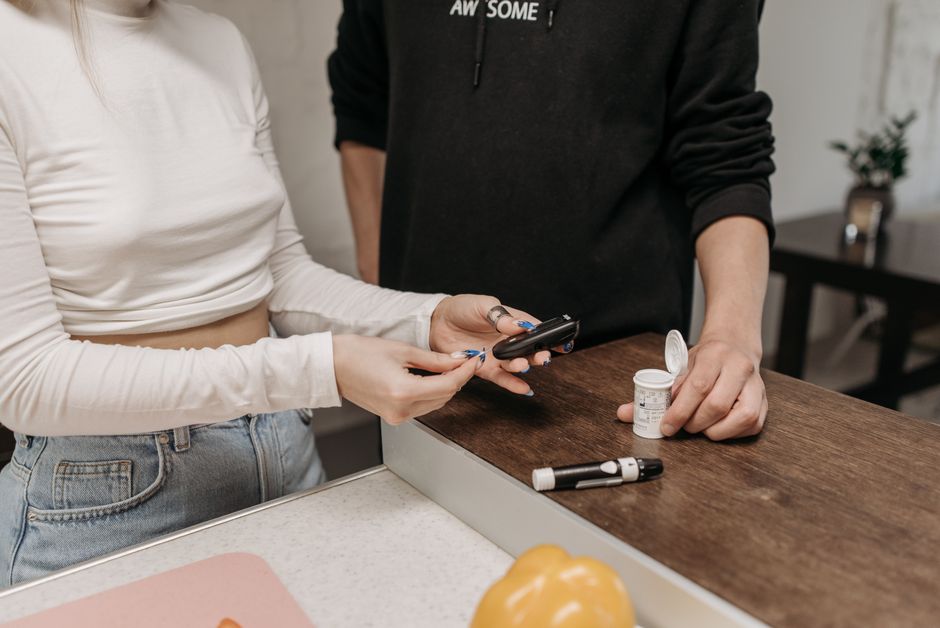
There are several ways to test your cortisol levels, and the right one depends on why you want to check them. The most accurate method is a lab test ordered by a doctor, but at-home kits can give you useful information for tracking daily patterns. Cortisol testing typically uses blood, saliva, or urine samples, with each type measuring something slightly different about how your body handles stress.
What Exactly Does a Cortisol Test Measure?
Cortisol is a hormone your adrenal glands produce. It follows a daily rhythm called the circadian cycle. Levels peak in the morning, usually around 8 a.m., and drop to their lowest point late at night.
A cortisol test measures how much of this hormone is in your system at a specific time. A single blood draw tells you your level at that exact moment. A 24-hour urine collection gives an average across a full day. Saliva tests, often done multiple times in one day, show how your rhythm changes from morning to night.
Doctors use these tests to check for conditions like Cushing syndrome (too much cortisol) or Addison disease (too little). But many people without these conditions want to know their cortisol levels because of chronic stress, sleep problems, or fatigue.
How To Test Your Cortisol Levels at Home
At-home cortisol test kits are widely available online and in pharmacies. Most use a saliva sample that you collect at specific times during the day. You spit into a small tube, mail it to a lab, and get results within a few days.
Some kits measure cortisol alone. Others bundle it with DHEA, testosterone, or melatonin. The price ranges from $50 to $200. Companies like Everlywell and LetsGetChecked are popular options, though the FDA does not regulate these tests as medical devices.
Research published in the Journal of Clinical Endocrinology and Metabolism found that saliva cortisol testing is reliable when done correctly. But the key phrase is “done correctly.” You must follow the timing instructions exactly. Collecting the sample even 30 minutes off can change the result significantly.
How Doctors Test Cortisol Levels
Medical cortisol testing is more controlled and usually covered by insurance. The three main methods are:
- Blood test — A single blood draw, typically in the morning. This gives a snapshot of your cortisol at one moment. It is the most common test for diagnosing adrenal disorders.
- Saliva test — A series of samples collected at home over one day. This maps your cortisol rhythm. Many doctors prefer this for checking adrenal function because it is non-invasive and reflects free cortisol.
- 24-hour urine test — You collect all your urine over 24 hours. This measures total cortisol output for the day. It is often used to screen for Cushing syndrome.
Your doctor may also order a dexamethasone suppression test. You take a small dose of dexamethasone, a synthetic steroid, and then get your cortisol measured. This test checks whether your pituitary gland is properly regulating cortisol production.
According to the Endocrine Society, normal morning cortisol levels in blood are typically between 6 and 23 micrograms per deciliter. But ranges vary by lab and by the time of day. Your doctor interprets your result against the lab’s reference range, not a universal number.

What the Research Actually Shows About At-Home Testing
Studies have found that at-home saliva cortisol testing can be accurate for tracking your daily rhythm. A 2019 review in the journal Psychoneuroendocrinology looked at 47 studies on saliva cortisol. The researchers concluded that repeated saliva sampling over multiple days gives reliable data for research and personal tracking.
But there are limits. Most at-home kits test only one or two samples. That is not enough to map your full rhythm. A single morning sample tells you almost nothing about your overall cortisol health. It is like checking your blood pressure once and assuming that is your average.
Some people report feeling anxious about their results and then test again hoping for a different number. Cortisol fluctuates naturally day to day. A high reading on a stressful Tuesday does not mean you have a disorder. It probably means you had a stressful Tuesday.
The Cleveland Clinic advises that at-home cortisol tests are not meant to diagnose medical conditions. If you are testing because you feel unwell, see a doctor. If you are testing out of curiosity, understand that the results are a snapshot, not a diagnosis.
What Can Skew Your Cortisol Test Results
Many things affect cortisol levels that have nothing to do with your adrenal health. Knowing these can save you from misreading your results.
| Factor | Effect on Cortisol |
|---|---|
| Poor sleep the night before | Can raise morning levels 20-30% |
| Intense exercise within 2 hours of testing | Temporarily spikes cortisol |
| Caffeine consumption | Increases cortisol for up to 3 hours |
| Alcohol the night before | Can suppress morning cortisol |
| Certain medications (birth control, steroids) | Alters measured levels significantly |
| Acute illness or infection | Raises cortisol as part of immune response |
If you test at home, avoid caffeine and exercise for at least two hours before collecting your sample. Do not test when you are sick. And if you are on hormonal birth control or steroid medications, your results will not reflect your natural levels. Talk to your doctor about whether testing makes sense given your medications.
How To Interpret Your Cortisol Test Results
Your test result will come back as a number with a reference range. The reference range is the range of values seen in healthy people. If your number falls inside that range, your cortisol is considered normal for that test type and time of day.
But normal does not mean optimal. Some people have cortisol levels that are technically within range but feel symptoms like fatigue, brain fog, or trouble sleeping. This gray area is where personal tracking can be useful. If you test at several points across the day and your rhythm looks flat — meaning your morning peak is low and your evening levels do not drop much — that pattern can point to chronic stress or adrenal fatigue.
The term “adrenal fatigue” is controversial. The Endocrine Society does not recognize it as a medical diagnosis. But many functional medicine practitioners believe that chronic stress can blunt the cortisol response over time. The evidence is mixed. A 2016 review in BMC Endocrine Disorders found no strong support for adrenal fatigue as a condition. Yet some people report feeling better after lifestyle changes that aim to support cortisol rhythm.
If your results are clearly outside the reference range — either very high or very low — see a doctor. Do not try to self-treat based on an at-home test result. High cortisol can indicate Cushing syndrome, which requires medical evaluation. Low cortisol can indicate adrenal insufficiency, which can be dangerous if untreated.
Common Misconceptions About Cortisol Testing
A few myths keep coming up online. Here is what the evidence actually says.
Myth: You can test your cortisol with a hair sample. Hair cortisol testing exists in research settings. It measures long-term cortisol exposure over months. But as of 2026, there are no standardized reference ranges for clinical use. Most doctors do not use hair tests for diagnosis.
Myth: A single high cortisol reading means you have a problem. Cortisol naturally spikes in response to stress. A single high reading is expected if you were anxious about the test itself. Repeat testing on different days gives a more accurate picture.
Myth: You need to test cortisol to know if you are stressed. You probably already know. If you feel stressed, your cortisol is likely elevated at times. Testing can confirm the pattern, but it is not necessary for making lifestyle changes. Improving sleep, reducing caffeine, and managing stress will help your cortisol rhythm regardless of what a test says.
Myth: At-home tests are as accurate as lab tests. Some are reasonably accurate. But lab tests are processed in certified medical laboratories with strict quality controls. At-home kits use mail-in labs that may not have the same oversight. The FDA has issued warnings about some direct-to-consumer tests making misleading claims.
Frequently Asked Questions
Can I test my cortisol levels without a doctor?
Yes, you can buy at-home test kits online or at pharmacies. But these are not a substitute for medical diagnosis.
What time of day should I test my cortisol?
The most informative time is early morning, ideally within 30 minutes of waking. For a full rhythm, test at morning, noon, late afternoon, and bedtime.
How much does a cortisol test cost?
At-home kits cost $50 to $200. Lab tests ordered by a doctor are often covered by insurance with a copay or deductible.
Is saliva or blood better for cortisol testing?
Saliva is better for tracking daily rhythm and measuring free cortisol. Blood is better for a single accurate measurement and diagnosing adrenal disorders.
