
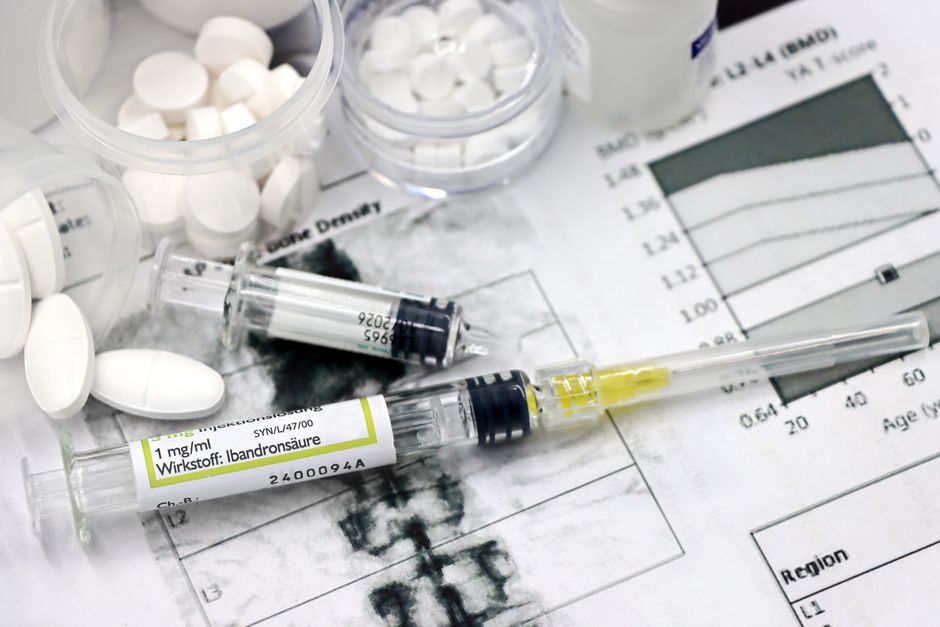
Osteoporosis testing starts with a DXA scan, short for dual-energy X-ray absorptiometry. It is the standard test for measuring bone mineral density and diagnosing osteoporosis. A DXA scan is quick, painless, uses very little radiation, and gives your doctor a number called a T-score that compares your bone density to that of a healthy young adult. Other tests exist too, including blood and urine tests that look for causes of bone loss, and sometimes a FRAX calculation that estimates your 10-year fracture risk.
What Is a DXA Scan and How Does It Work?
A DXA scan uses two low-dose X-ray beams to measure how much calcium and other minerals are packed into your bones. The two beams are the key. Because bone, muscle, and fat absorb X-rays differently, the machine can subtract the soft tissue signal and isolate the bone. That is what makes DXA more precise than a plain X-ray for measuring density.
The test usually measures two areas: the hip and the lumbar spine. These are the sites where osteoporosis is best studied and where fractures cause the most harm. Sometimes a forearm is measured instead, particularly if the hip or spine cannot be scanned — for example, after hip replacement surgery or in people with severe arthritis.
The scan takes about 10 to 15 minutes. You lie still on a padded table while an arm passes over you. You do not go into a tunnel like an MRI. There is no injection and no dye. The radiation dose is very small — considerably less than a chest X-ray.
How To Test For Osteoporosis: DXA Scans and More
DXA is the test that confirms osteoporosis. But testing usually begins with an assessment of your risk, not with the scan itself. Doctors use tools like FRAX (Fracture Risk Assessment Tool) to estimate your chance of breaking a bone in the next 10 years. FRAX combines factors like age, sex, weight, smoking, and prior fractures. If your risk is high, a DXA scan follows.
Your T-score is the number that matters most. It compares your bone density to the average peak bone density of a healthy young adult of the same sex. The World Health Organization defines the categories this way:
- Normal: T-score of -1.0 or above
- Osteopenia (low bone mass): T-score between -1.0 and -2.5
- Osteoporosis: T-score of -2.5 or below
- Severe osteoporosis: T-score of -2.5 or below plus one or more fragility fractures
There is also a Z-score, which compares you to others your own age. A Z-score of -2.0 or lower in a younger person or child may point to a secondary cause of bone loss. Z-scores are used more in premenopausal women, men under 50, and children.
Beyond DXA, other tests help complete the picture:
- Blood tests for calcium, vitamin D, thyroid function, and parathyroid hormone
- Urine tests to check for calcium loss or markers of bone turnover
- Vertebral imaging to look for spine fractures that may have gone unnoticed
- Trabecular bone score, a newer tool that assesses bone microarchitecture from DXA images
These additional tests do not diagnose osteoporosis on their own. They help find reversible causes and guide treatment decisions.
Who Should Get Tested and When?
Routine bone density testing is generally recommended for women aged 65 and older and men aged 70 and older. For younger people, testing depends on risk factors rather than age alone.
You may need earlier testing if you have any of the following:
- A previous fracture from a minor fall or low-impact injury
- A parent who broke a hip
- Long-term use of glucocorticoid medications such as prednisone
- Low body weight or a history of an eating disorder
- Early menopause, or menopause before age 45
- Conditions like rheumatoid arthritis, celiac disease, or inflammatory bowel disease
- Heavy alcohol use or current smoking
- Low testosterone in men
Some guidelines suggest testing postmenopausal women under 65 if they have a combination of risk factors. The exact cutoff varies between organizations, so your doctor will weigh your individual situation.
How often you repeat a scan depends on your results. Someone with normal bone density may not need another scan for many years. Someone with osteopenia or who is on treatment may be scanned every 1 to 2 years, though the evidence on ideal intervals is not firm. DXA machines vary between clinics, so repeat scans are best done on the same machine when possible.




What Do the Results Actually Mean?
A low T-score does not automatically mean you will break a bone. It means your risk is higher than average. Many people with osteopenia never fracture. Some people with osteoporosis fracture from a fall that would not harm someone else. This is why doctors combine the T-score with other factors — your age, your fracture history, and your overall health — rather than treating the number alone.
It is also worth knowing that DXA has limitations. It measures density, not bone quality. Two people can have the same T-score and very different bone strength. The scan can also be affected by things like spinal arthritis, prior spine surgery, or calcium deposits in the aorta, which can artificially raise the reading. A skilled radiologist accounts for these factors.
What Happens If the Test Shows Bone Loss?
If your scan shows osteopenia or osteoporosis, the next step depends on your overall fracture risk. Not everyone with low bone mass needs medication. For some people, lifestyle changes and monitoring are enough. For others, medication is appropriate.
Treatment options include:
- Calcium and vitamin D: Getting enough of both supports bone health. The exact amounts depend on your age and diet, and your doctor can help you find the right target.
- Weight-bearing exercise: Activities like walking, dancing, and resistance training help maintain bone.
- Fall prevention: Removing tripping hazards, improving lighting, and working on balance can reduce fracture risk significantly.
- Medications: Several classes of drugs slow bone loss or build new bone. These include bisphosphonates, hormone-related therapies, and anabolic agents. Each has benefits and risks that your doctor should discuss with you.
Treatment is not one-size-fits-all. The choice depends on how low your bone density is, whether you have had a fracture, your age, and other health conditions.
Can You Test for Osteoporosis Without a DXA Scan?
No test replaces DXA for diagnosing osteoporosis. But other tools can add information or help when DXA is not available.
Quantitative ultrasound (QUS) measures bone density at the heel. It is sometimes used for screening in areas where DXA is not accessible. It does not diagnose osteoporosis on its own, and it cannot be used to monitor treatment.
Peripheral DXA measures the wrist, heel, or finger. It is portable and cheaper, but it is less accurate for the hip and spine, which are the sites that matter most for fracture risk.
Quantitative CT (QCT) can measure bone density in three dimensions. It gives more detail but uses more radiation and is not typically used for routine screening.
For most people, DXA remains the standard. If you are unsure whether you need testing, a conversation with your doctor about your risk factors is the right starting point.
How To Prepare for a DXA Scan
Preparation is simple. You may be asked to avoid calcium supplements for 24 hours before the test. Wear loose clothing without metal zippers, buttons, or snaps. Tell the technician if you have had recent contrast dye from another imaging test, since that can interfere with the scan.
You can eat normally beforehand. The test is not painful. You will get your results within a few days, and your doctor will explain what they mean for you.
Frequently Asked Questions
Is a DXA scan the same as a bone density test?
Yes, DXA is the most common and most reliable type of bone density test. It measures how much mineral is in your bones and gives a T-score that doctors use to diagnose osteoporosis.
How often should you get a DXA scan?
There is no single schedule that fits everyone. Many people with normal results do not need another scan for several years, while those on treatment may be scanned every 1 to 2 years.
Can a DXA scan detect osteoporosis early?
It can detect low bone mass before a fracture occurs, which is the main goal of screening. However, it measures density, not bone quality, so it does not capture every aspect of bone strength.
Does insurance cover DXA scans?
Medicare and many private insurers cover DXA scans for people who meet certain criteria, such as age or risk factors. Coverage rules vary, so it is worth checking with your plan before scheduling.
