
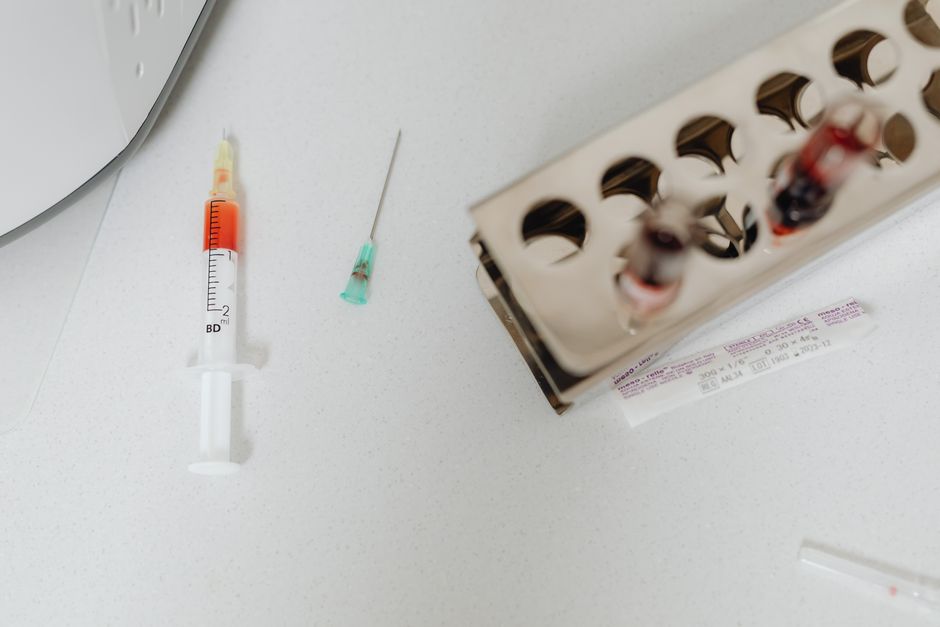
To test your pancreas, doctors use blood tests for enzymes like amylase and lipase. Imaging scans such as CT or MRI look at the organ itself. Stool tests measure digestive function. The specific test depends on your symptoms and suspected condition.
How To Test Pancreas: The Most Common Blood Tests
Blood tests are usually the first step. Doctors measure two pancreatic enzymes: amylase and lipase. When the pancreas is inflamed, these enzymes leak into the bloodstream. High levels suggest acute pancreatitis.
Lipase is more specific to the pancreas than amylase. A lipase level more than three times the upper limit of normal strongly points to acute pancreatitis. Amylase can also rise with other conditions like gallbladder disease or kidney problems, so lipase is preferred for diagnosis.
Other blood tests include liver enzymes, bilirubin, and a complete blood count. These help rule out other causes of abdominal pain. Doctors may also check blood sugar and calcium levels because the pancreas plays a role in glucose regulation.
How Is Pancreatitis Diagnosed?
Diagnosing pancreatitis requires more than one piece of information. Doctors combine symptoms, blood test results, and imaging findings. The main symptom is severe upper abdominal pain that may radiate to the back. Nausea and vomiting are also common.
For acute pancreatitis, blood lipase levels are the key lab test. Imaging is not always needed when the diagnosis is clear from blood work and symptoms. When imaging is used, a CT scan with contrast is the standard. It shows inflammation, fluid collections, and complications like necrosis.
Chronic pancreatitis is harder to diagnose. Blood tests may be normal in early stages. Doctors often use CT or MRI, and sometimes a test called endoscopic ultrasound. This uses a scope with an ultrasound probe passed through the mouth into the stomach to get detailed images of the pancreas.
What Imaging Tests Show the Pancreas?
Several imaging methods can examine the pancreas. Each has strengths and weaknesses. Your doctor will choose based on what condition they suspect.
- CT scan – The most common test for acute pancreatitis. It shows swelling, fluid, and tissue death. It can also detect pancreatic tumors larger than about 1 cm.
- MRI / MRCP – MRI provides detailed images without radiation. MRCP is a special MRI that shows the bile and pancreatic ducts. It helps find strictures, stones, or tumors blocking the ducts.
- Endoscopic ultrasound (EUS) – A thin scope with an ultrasound probe is passed through the mouth into the stomach. It gives very detailed images of the pancreas and nearby lymph nodes. It is often used when cancer is suspected and to guide biopsies.
- Ultrasound (abdominal) – A simple, no‑radiation test. It can see the gallbladder and bile ducts but often cannot see the whole pancreas because gas in the bowel blocks the view. It is useful for ruling out gallstones as a cause of pancreatitis.
Imaging is not typically used for routine screening in people without symptoms. It is reserved for when there are specific concerns based on symptoms, blood tests, or risk factors.

How Do Stool Tests Check Pancreatic Function?
When the pancreas is damaged slowly over years, it may stop making enough digestive enzymes. This causes fat malabsorption. Stool tests can measure how well the pancreas is doing its job.
The most common test is fecal elastase-1. This enzyme is made by the pancreas and passes through the gut unchanged. A low level in stool means the pancreas is not producing enough enzymes. Normal elastase is above 200 µg/g of stool. Levels between 100 and 200 suggest moderate insufficiency. Levels below 100 indicate severe insufficiency.
Another test is the fecal fat test. You eat a high‑fat diet for several days, then collect stool for 24 to 72 hours. The lab measures how much fat is in the stool. High fat means the pancreas is not breaking down fat properly. This test is used less often now because the elastase test is simpler and more convenient.
Stool tests are not useful for diagnosing acute pancreatitis. They are mainly for chronic pancreatitis or other conditions that cause pancreatic insufficiency, such as cystic fibrosis.
What Tests Can Detect Pancreatic Cancer Early?
Early detection of pancreatic cancer is difficult. No standard screening test exists for the general population. However, people at high risk may be offered certain tests.
High‑risk groups include those with a strong family history of pancreatic cancer, certain genetic syndromes, or chronic pancreatitis. For these individuals, doctors may recommend annual screening with endoscopic ultrasound (EUS) and/or MRI/MRCP. These can find small tumors or precancerous lesions before symptoms start.
Blood tests like CA 19‑9 are not reliable for early detection. This tumor marker can be elevated in pancreatic cancer, but it can also be normal when cancer is present, or high in non‑cancerous conditions like jaundice or pancreatitis. CA 19‑9 is mainly used to monitor treatment response in people already diagnosed, not for screening.
If you have symptoms like unexplained weight loss, jaundice, upper abdominal pain that spreads to the back, or new‑onset diabetes after age 50, talk to your doctor. These do not mean you have cancer, but they warrant evaluation.
How To Prepare for Pancreas Testing
Preparation depends on the test you are having. Always follow your doctor’s specific instructions, but here are general guidelines.
- Blood tests – You may need to fast for 8 to 12 hours before a blood draw, especially if glucose or triglycerides are being checked. Plain water is allowed.
- CT scan – You may be asked to fast for several hours. You will likely drink a contrast solution to coat your digestive tract. Tell the technologist if you have allergies or kidney problems because the IV contrast can affect kidney function.
- MRI/MRCP – Fasting is usually required for 4 to 6 hours. Remove all metal objects, jewelry, and credit cards. Tell your doctor if you have any implanted devices.
- Endoscopic ultrasound – You will need to fast overnight. You will receive sedation, so you must arrange a ride home.
- Stool tests – No special preparation is needed for fecal elastase. For fecal fat, you may need to follow a high‑fat diet for a few days before collecting stool. Your doctor will give you a kit and instructions.
If you take blood‑thinning medication (like warfarin, apixaban, or aspirin), let your doctor know before any procedure that involves biopsy or scope insertion.
When Should You Ask Your Doctor About Pancreas Testing?
You do not need routine pancreas testing if you have no symptoms. The pancreas is not part of standard annual blood work for most people. Testing is done when there is a reason to suspect a problem.
Consider bringing up pancreas testing with your doctor if you have any of the following:
- Persistent upper abdominal pain that comes and goes or worsens after eating
- Unexplained weight loss
- Jaundice (yellowing of the skin or eyes)
- Oily, foul‑smelling stools that float or stick to the toilet bowl
- New‑onset diabetes without a clear cause, especially after age 50
- A family history of pancreatic cancer or genetic syndromes like hereditary pancreatitis
- An episode of acute pancreatitis, to check if the cause is found and if there is permanent damage
These symptoms do not automatically mean you have a serious pancreatic problem. Other conditions can mimic them. But a simple blood test or imaging study can often provide reassurance or point to the right next step.
Frequently Asked Questions
How do I know if I need a pancreas test?
You likely need testing if you have ongoing upper abdominal pain, unexplained weight loss, jaundice, or greasy stools.
What is the most accurate test for pancreatitis?
For acute pancreatitis, blood lipase is the most accurate lab test. For chronic pancreatitis, endoscopic ultrasound or MRCP imaging gives the most detail.
Can a blood test detect pancreatic cancer?
No blood test reliably detects early pancreatic cancer. The CA 19‑9 marker is used for monitoring, not screening.
Do I need to fast before a pancreas blood test?
Yes, fasting for 8 to 12 hours is often required for accurate glucose and triglyceride measurements. Follow your doctor’s instructions.
