
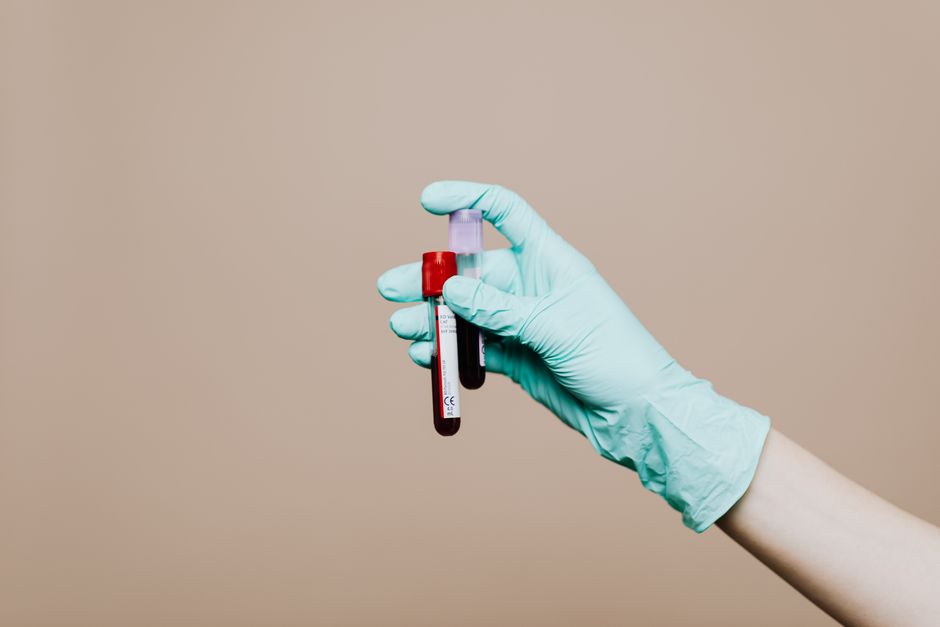
Malabsorption means your body is not absorbing nutrients from food properly. Doctors use blood tests, stool tests, and sometimes breath tests to find out why. The right test depends on your symptoms and what your doctor suspects is wrong.
What Is Malabsorption and Why Does It Matter?
Malabsorption happens when your small intestine cannot take in nutrients, vitamins, and minerals from the food you eat. This is different from indigestion or a food intolerance. With malabsorption, the problem is at the cellular level in your gut lining.
The small intestine is where most nutrient absorption occurs. When it is damaged, inflamed, or missing certain enzymes, nutrients pass through without entering your bloodstream. Over time, this leads to deficiencies.
Common causes include celiac disease, Crohn’s disease, chronic pancreatitis, small intestinal bacterial overgrowth (SIBO), and bile acid problems. Some people are born with enzyme deficiencies like lactose intolerance. Others develop malabsorption after stomach surgery or from long-term use of certain medications.
Symptoms vary widely. Some people have chronic diarrhea, greasy stools that float, or unexplained weight loss. Others feel bloated, tired, or develop anemia. Many people have no obvious digestive symptoms at all. They just feel run down and their blood tests show low iron, vitamin D, or B12.
The CDC reports that about 1 in 133 people in the United States have celiac disease. Many of them do not know it. That is a common hidden cause of malabsorption.
How To Test For Malabsorption Blood Stool More?
The first step is usually blood work. A standard set of blood tests can show if you have nutrient deficiencies. Your doctor will check your complete blood count for anemia. They will also measure iron, ferritin, vitamin B12, folate, vitamin D, and sometimes zinc and magnesium.
If these levels are low without an obvious reason, malabsorption is a real possibility. Blood tests alone cannot tell you why malabsorption is happening. They only show that something is wrong.
Stool tests come next. A stool fat test is the classic way to check for fat malabsorption. You eat a high-fat diet for a few days, then collect your stool for 72 hours. The lab measures how much fat is in the stool. If it is high, your body is not absorbing fat properly.
This test is reliable but not pleasant. Many doctors now use a simpler fecal elastase test first. Elastase is an enzyme made by the pancreas. Low levels in stool suggest your pancreas is not producing enough digestive enzymes. That points to pancreatic malabsorption.
A fecal calprotectin test checks for inflammation in the intestines. High levels suggest inflammatory bowel disease like Crohn’s. This is not a direct test for malabsorption but helps find the cause.
What Do Breath Tests Tell You About Malabsorption?
Breath tests are useful for specific types of malabsorption. They are non-invasive and much easier than collecting stool for three days.
A hydrogen breath test checks for lactose intolerance or SIBO. You drink a sugar solution, then breathe into a machine every 15 to 30 minutes for a few hours. If your body cannot absorb the sugar, gut bacteria ferment it and produce hydrogen. The machine measures that hydrogen in your breath.
For SIBO, the test uses lactulose or glucose. High hydrogen or methane levels suggest bacteria are growing in the small intestine where they should not be. These bacteria interfere with nutrient absorption.
The American College of Gastroenterology notes that breath testing is useful but not perfect. False positives and false negatives happen. Diet and medications can affect results. Your doctor will interpret the numbers carefully.
A methane breath test is sometimes done separately. High methane levels point to a different type of SIBO that causes constipation rather than diarrhea. Both types cause malabsorption.




What Procedures Can Diagnose Malabsorption?
When blood, stool, and breath tests are not enough, doctors use procedures to look directly at the gut.
An upper endoscopy with biopsy is the gold standard for diagnosing celiac disease. A gastroenterologist passes a thin tube with a camera down your throat into your small intestine. They take tiny tissue samples. The lab checks for damage to the villi, the finger-like projections that absorb nutrients.
This procedure is done under sedation and takes about 15 minutes. The biopsy results usually come back in a week. If the villi are flattened or damaged, it strongly suggests celiac disease.
A colonoscopy checks the large intestine. This is useful when malabsorption is caused by Crohn’s disease or ulcerative colitis. The doctor can see inflammation, ulcers, or other damage.
Capsule endoscopy is another option. You swallow a small camera in a pill. It takes pictures as it travels through your digestive system. This is used when standard endoscopy and colonoscopy do not find the cause. It can see parts of the small intestine that other tests cannot reach.
These procedures are not first-line tests. They are used when simpler tests point to a specific problem or when initial testing is unclear.
What Do Test Results Actually Mean?
Interpreting malabsorption tests is not always straightforward. Low nutrient levels in blood do not automatically mean malabsorption. They could mean you are not eating enough of that nutrient. Your doctor will ask about your diet first.
A positive stool fat test means you are losing fat in your stool. But it does not tell you why. The cause could be pancreatic, intestinal, or bile-related. More testing is needed to narrow it down.
Fecal elastase below 200 micrograms per gram suggests pancreatic insufficiency. Levels between 200 and 500 are borderline. Above 500 is normal. This test is reliable but can be falsely low if your stool is very watery.
Breath test results are measured in parts per million. A rise of 20 ppm above baseline for hydrogen suggests SIBO. For methane, a level above 10 ppm is considered positive. These numbers are guidelines, not absolute cutoffs.
Biopsy results are graded on a scale called Marsh classification. Marsh 0 is normal. Marsh 3 shows significant villous atrophy, which is typical of active celiac disease. This is one of the few tests that gives a definitive diagnosis.
No single test catches every case of malabsorption. Some people have mild damage that does not show up on biopsy. Others have normal blood tests but clear symptoms. Your doctor will look at the whole picture.
What Tests Are Not Useful for Malabsorption?
Some popular tests have weak evidence behind them. It helps to know what to avoid.
Food sensitivity tests that measure IgG antibodies are widely promoted online. The American Academy of Allergy, Asthma, and Immunology says these tests are not valid for diagnosing food allergies or sensitivities. They have no proven role in malabsorption testing.
Hair analysis for nutrient deficiencies is another questionable test. Hair mineral levels do not reliably reflect what is happening in your body. The FDA has warned against using hair analysis for medical diagnosis.
Heavy metal testing through urine or hair is sometimes marketed to people with digestive problems. Unless you have a known exposure, these tests rarely find a cause for malabsorption. They often lead to unnecessary treatments.
Stool tests that claim to measure gut microbiome health are becoming popular. Some research shows promise, but these tests are not yet standardized or proven to diagnose malabsorption. Many gastroenterologists do not use them.
The bottom line is that reliable malabsorption testing starts with blood and stool tests ordered by a doctor. Tests that you buy online and do at home are not substitutes for proper medical evaluation.
Frequently Asked Questions
How long does it take to get malabsorption test results?
Blood test results come back in one to two days. Stool and breath test results take three to seven days. Biopsy results from endoscopy usually take about one week.
Do I need to stop taking vitamins before malabsorption testing?
Yes for some tests. Your doctor will tell you to stop certain supplements before blood work and stool collection. Always follow your doctor’s specific instructions.
Can malabsorption tests be wrong?
Yes. No test is perfect. False negatives and false positives happen. Your doctor will repeat abnormal tests or use a different test to confirm before making a diagnosis.
Is there a home test for malabsorption?
No reliable home test exists. Some companies sell stool or breath tests online but they are not substitutes for medical testing. Always work with a doctor for proper diagnosis.
