
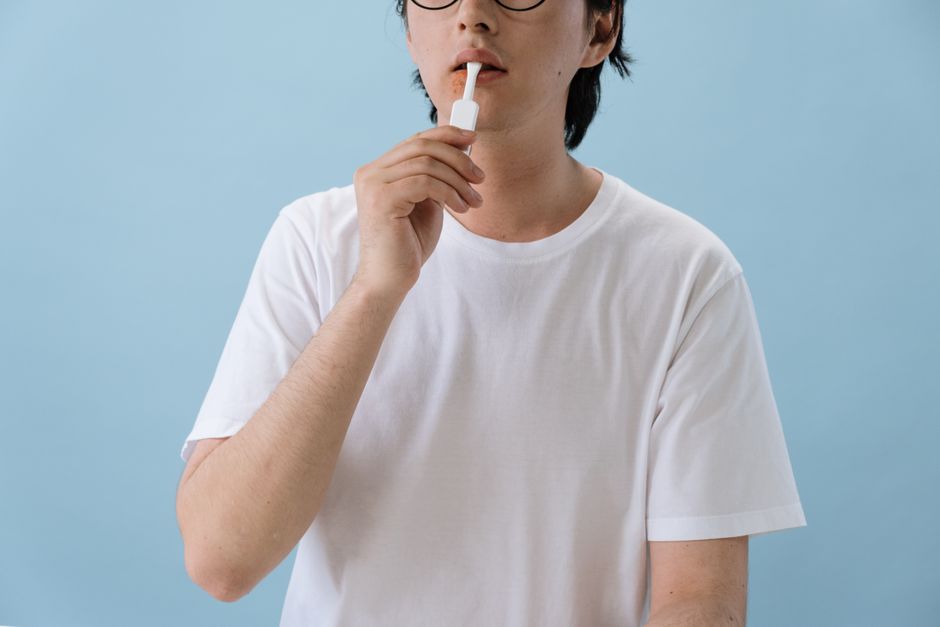
Testing for herpes is straightforward, but knowing which test to use depends on whether you have visible sores or no symptoms at all. If you have an active blister or sore, a swab test is the most accurate method. If you have no symptoms but want to know your status, a blood test checks for antibodies. At-home test kits are available for both methods, but they have specific limitations you need to understand before ordering one.
How To Test For Herpes Swab Blood And At Home Options
Herpes testing falls into two main categories: direct detection and indirect detection. A swab test looks for the virus itself in a sample taken from a sore. A blood test looks for antibodies your immune system made in response to the virus. Both have clear uses, and neither is universally “better” — the right choice depends entirely on your situation.
For people with active sores, a swab test is the gold standard. For people without symptoms, a blood test is the only option. At-home kits exist for both, but they carry real accuracy concerns that you should weigh carefully.
What Is A Herpes Swab Test And When Is It Used?
A herpes swab test collects fluid and cells from an active sore or blister. A healthcare provider rubs a sterile cotton or synthetic swab across the lesion and sends the sample to a lab. The lab then looks for the genetic material of the herpes simplex virus.
The most reliable swab method is called PCR testing, which detects viral DNA. PCR is highly sensitive and can identify whether you have HSV-1 or HSV-2. Some clinics still use an older method called viral culture, which attempts to grow the virus from the sample. PCR is now preferred because it is faster and more accurate.
Timing matters enormously with swab tests. The test works best when the sore is fresh — ideally within 48 to 72 hours of appearing. Once a sore begins to crust over and heal, the amount of virus on the surface drops sharply. A swab from a healing lesion can easily produce a false negative even when you do have herpes.
If you have symptoms, a swab test is the right first step. Blood tests are not recommended for diagnosing an active outbreak because antibodies take weeks to develop after initial infection.
What Does A Herpes Blood Test Show?
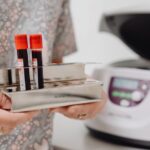
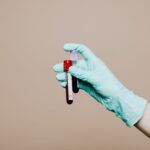
A herpes blood test detects antibodies against the virus, not the virus itself. When your immune system encounters HSV, it produces proteins called antibodies. These remain in your blood for life. A blood test looks for two types: IgG and IgM.
IgG antibodies appear several weeks after infection and stay present permanently. This is the marker that matters. A positive IgG test means you have been infected with herpes at some point in your life. The test can also distinguish between HSV-1 and HSV-2 antibodies, which is useful because the two types behave differently.
IgM antibodies appear faster but are less reliable. They can cross-react with other viruses, and they do not reliably distinguish between HSV-1 and HSV-2. Many experts recommend against using IgM tests for diagnosis because of these accuracy problems. If a doctor offers you an IgM test, ask about IgG testing instead.
Blood tests have a critical blind spot: they cannot tell you where the infection is located. A positive HSV-2 blood test means you have genital herpes, since HSV-2 almost always infects the genital area. But a positive HSV-1 blood test does not tell you whether you have oral or genital HSV-1. That distinction requires a swab test during an active outbreak.

How Accurate Are Herpes Blood Tests?
Herpes blood tests are good but not perfect. The most common blood test, called the HerpeSelect, is quite accurate when used correctly. However, accuracy depends on when you test relative to exposure.
If you test too soon after a possible exposure, you can get a false negative. Your body needs time to produce detectable antibodies. Most guidelines recommend waiting at least 12 weeks after a suspected exposure before testing. Testing earlier may miss the infection entirely.
False positives are also possible, particularly for HSV-1. The blood test can sometimes react to other antibodies in your blood and produce a positive result when no infection exists. This is why doctors often recommend a confirmatory test if your result falls in a borderline range.
For people with no symptoms who want to know their status, a blood test is the only available method. But the results need interpretation. A positive result means you carry the virus and can potentially transmit it, even if you have never had a noticeable outbreak.
At-Home Herpes Test Kits: What You Need To Know
At-home herpes test kits have become widely available in recent years. You order online, collect your own sample, mail it to a lab, and receive results through a secure online portal. These kits fall into two categories: finger-prick blood tests and self-collected swabs.
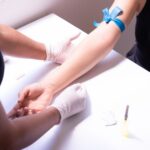
At-home blood tests typically involve a small finger-prick lancet. You collect a few drops of blood on a card and mail it in. The lab runs the same antibody tests a clinic would use. These kits can be accurate if the lab is reputable and you follow collection instructions carefully.
At-home swab kits are more complicated. You must swab your own sore correctly and preserve the sample properly during shipping. Self-collected swabs are less reliable than clinician-collected swabs because of collection errors. If you swab the wrong area, apply too little pressure, or the sample degrades in transit, you risk a false negative.
Several reputable labs offer at-home testing. These include companies like Everlywell and LetsGetChecked, which use certified laboratories. However, no at-home test replaces a clinical evaluation. If you have symptoms, seeing a healthcare provider is still the safest path because they can examine the lesion and confirm the diagnosis.
One important limitation: at-home tests do not include counseling. A positive herpes diagnosis can be emotionally difficult, and a healthcare provider can explain what the result means, discuss treatment options, and help you plan how to talk to partners. A test kit cannot do any of that.
Swab Test Versus Blood Test: Which Should You Choose?
The choice between a swab and blood test depends on your circumstances. If you have an active sore, choose a swab test. If you have no symptoms but want to know your status, choose a blood test. If you have symptoms but the swab comes back negative, a blood test can provide additional information after enough time has passed.
Here is a quick comparison:
- Swab test — detects the virus directly from a sore. Most accurate when the sore is fresh. Cannot be used if no sores are present.
- Blood test — detects antibodies. Works anytime, but takes weeks to become positive after infection. Cannot identify the location of infection.
- At-home blood test — convenient and private. Same lab technology as clinic testing. Requires waiting 12 weeks after exposure for accurate results.
- At-home swab test — less reliable than clinician swabs due to collection errors. Only appropriate if you have an active sore.
Some people need both tests. If you have a sore that swabs negative but your blood test later shows antibodies, you likely have herpes and the swab simply missed it. If your blood test is negative but you have a visible sore, the sore may be caused by something else entirely.
What Happens After A Positive Herpes Test?
A positive herpes test is not an emergency, but it is information you should act on. Antiviral medications can reduce the frequency and severity of outbreaks. These medications do not cure herpes, but they manage it effectively.
If you test positive, you can still have a normal sex life. Using condoms reduces transmission risk significantly, though it does not eliminate it completely because the virus can shed from skin not covered by a condom. Daily suppressive therapy further reduces transmission risk.
The stigma around herpes is disproportionate to the medical reality. Most adults carry HSV-1, and a significant portion of the population carries HSV-2. The infection is common, manageable, and not a reflection of your character or health habits.
If you received a positive result from an at-home test, consider confirming it with a healthcare provider. This is especially important for HSV-1 blood tests, which have a higher false-positive rate. A confirmatory test, such as the Western blot, can provide certainty if your initial result is unclear.
Frequently Asked Questions
How soon after exposure can a herpes blood test detect the virus?
Most blood tests become positive between 3 and 12 weeks after exposure. Testing before 12 weeks risks a false negative, so most experts recommend waiting the full 12 weeks for accurate results.
Can an at-home herpes test be as accurate as a clinic test?
At-home blood tests that use certified labs can be comparable to clinic testing, but at-home swab tests are less reliable because self-collection is error-prone. No at-home test provides the clinical evaluation and counseling that a doctor visit offers.
Is a negative herpes blood test a guarantee I do not have herpes?
No. A negative test could mean you were tested too soon after exposure, or it could be a false negative. If you have symptoms, a negative blood test does not rule out herpes — a swab test of the active sore is needed.
Do I need to test for both HSV-1 and HSV-2?
Yes, because the two types have different implications. HSV-1 typically causes oral herpes but can cause genital herpes, while HSV-2 almost always causes genital herpes. Knowing which type you have affects treatment and transmission counseling.
