
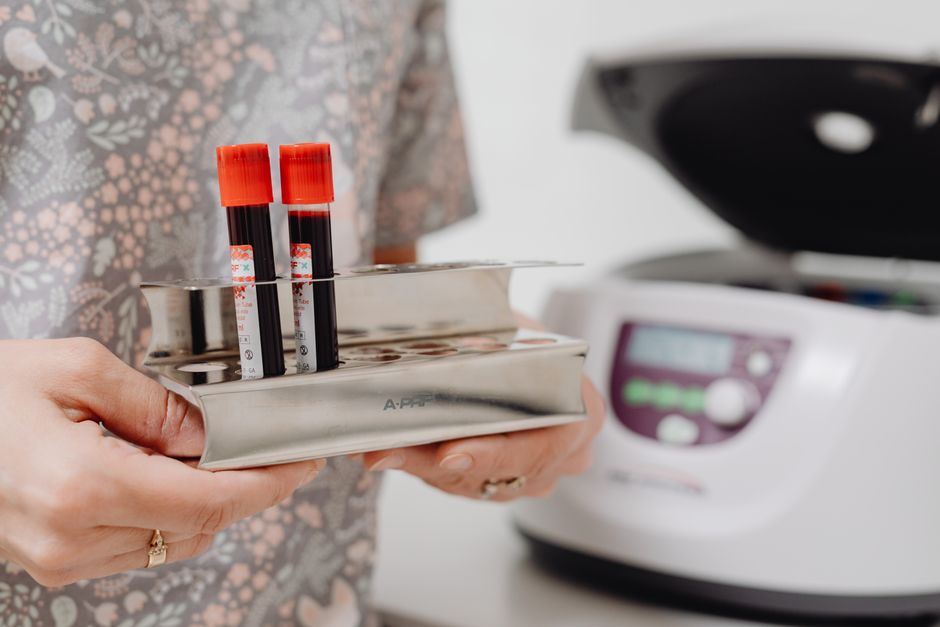
A low MCHC blood test result means your red blood cells carry less hemoglobin than normal. Hemoglobin is the protein that carries oxygen, so a low MCHC often points to anemia. The most common cause is iron deficiency, but other conditions can also lower it. Raising your MCHC typically means treating the underlying cause, which often involves improving your iron intake or addressing another medical issue.
What Does MCHC Measure?
MCHC stands for mean corpuscular hemoglobin concentration. It measures the average amount of hemoglobin inside a single red blood cell, relative to the size of that cell. It is reported as a concentration, usually in grams per deciliter (g/dL) of red blood cells.
Doctors look at MCHC alongside other red blood cell indices. These include MCV (mean corpuscular volume), which measures cell size, and MCH (mean corpuscular hemoglobin), which measures hemoglobin amount without accounting for cell size. Together, these numbers help classify anemia and point toward the likely cause.
The normal range for MCHC is typically 32 to 36 g/dL. Laboratories may vary slightly, so your report will list the reference range used by that specific lab. A result below the lab’s lower limit is considered low.
What Causes a Low MCHC?
Iron deficiency anemia is the most common cause of low MCHC. Without enough iron, your body cannot produce adequate hemoglobin. The red blood cells that are made end up smaller and paler than normal, which shows up as low MCHC and low MCV on a blood test.
Other causes include:
- Thalassemia, an inherited condition that affects hemoglobin production
- Anemia of chronic disease, which can occur with long-term infections or inflammatory conditions
- Sideroblastic anemia, a group of disorders where the body has iron but cannot use it properly to make hemoglobin
- Lead poisoning, which interferes with hemoglobin synthesis
Blood loss is a common driver of iron deficiency. Heavy menstrual periods, gastrointestinal bleeding, or frequent blood donations can deplete iron stores over time. In older adults, digestive tract bleeding is a serious possibility that requires medical evaluation.
Symptoms of Low MCHC
Low MCHC itself does not cause symptoms. The symptoms come from the anemia that produces it. Common signs include fatigue, weakness, pale skin, shortness of breath with exertion, and dizziness.
Some people with mild anemia have no symptoms at all. The condition is often discovered during routine blood work for an unrelated reason. The severity of symptoms generally tracks with how low the hemoglobin level falls, not just the MCHC number.
If you have iron deficiency anemia, you may also notice unusual cravings for ice, dirt, or paper. This is called pica. Another possible sign is brittle nails or hair that sheds more than usual. These symptoms typically improve once iron levels are restored.





How Is Low MCHC Diagnosed?
A complete blood count (CBC) is the test that reveals low MCHC. If your result comes back low, your doctor will look at the other indices to narrow down the cause.
Iron studies are usually the next step. These measure serum iron, ferritin (stored iron), and transferrin saturation. Ferritin is the most useful single test for iron deficiency. A low ferritin level confirms that your body’s iron stores are depleted.
In some cases, additional testing is needed. Hemoglobin electrophoresis can identify thalassemia. A test for inflammatory markers like C-reactive protein can help diagnose anemia of chronic disease. If gastrointestinal bleeding is suspected, your doctor may recommend a colonoscopy or endoscopy to find the source.
How to Increase MCHC Levels
You cannot directly increase MCHC with a single food or supplement. The number rises when the underlying cause is corrected. For most people, that means treating iron deficiency.
Treatment for iron deficiency anemia usually involves oral iron supplements. Common forms include ferrous sulfate, ferrous gluconate, and ferrous fumarate. Your doctor will determine the appropriate dose based on your blood test results and medical history. Do not self-prescribe high doses of iron, because excess iron can be harmful.
Dietary changes support iron repletion. Heme iron from animal sources is absorbed more efficiently than non-heme iron from plants. Good sources of heme iron include red meat, poultry, and fish. Plant sources include lentils, beans, tofu, spinach, and fortified cereals.
Vitamin C improves iron absorption. Eating iron-rich foods alongside citrus fruits, tomatoes, or bell peppers can help your body take in more iron. On the other hand, calcium and tannins in tea and coffee can reduce absorption. It is often recommended to avoid these around the time you take an iron supplement or eat an iron-rich meal.
How Long Does It Take for MCHC to Improve?
With proper treatment, hemoglobin levels typically begin to rise within two to three weeks. Full correction of anemia usually takes one to two months. However, MCHC may normalize more slowly than the overall hemoglobin count.
Doctors often recheck blood counts four to six weeks after starting iron therapy. The goal is not just to raise MCHC but to replenish iron stores. Even after blood counts return to normal, iron supplementation is often continued for several more months to rebuild ferritin levels.
If your MCHC does not improve with treatment, your doctor will investigate other causes. This could include ongoing blood loss, poor absorption of oral iron, or a condition like thalassemia that requires different management.
Can You Increase MCHC Through Diet Alone?
If your iron deficiency is mild, dietary changes may be enough. But if your blood test shows clear anemia, food alone is rarely sufficient to correct it quickly. The amount of iron absorbed from food is limited compared to what a supplement provides.
Your doctor can help you decide whether diet alone is appropriate or whether supplements are needed. This decision depends on how low your hemoglobin and ferritin levels are, your symptoms, and whether you have ongoing blood loss.
It is also important to identify why you became iron deficient in the first place. Simply increasing iron intake without finding the source of the loss can leave the problem unresolved. In some cases, the underlying cause is more serious than the anemia itself.
When to See a Doctor
See a doctor if you have symptoms of anemia such as persistent fatigue, shortness of breath, or pale skin. Also see a doctor if a routine blood test shows low MCHC, even if you feel fine.
Do not ignore unexplained iron deficiency, especially in men or in women after menopause. In these groups, iron deficiency is more likely to signal gastrointestinal bleeding or another medical condition that needs investigation.
Iron supplements are not harmless just because they are available without a prescription. Taking too much iron can cause constipation, nausea, and in severe cases, organ damage. Always follow your doctor’s dosing instructions and keep iron supplements out of reach of children, as accidental overdose is a medical emergency.
Frequently Asked Questions
What is a normal MCHC level?
The normal range is typically 32 to 36 g/dL, though labs may vary slightly. Your lab report will show the reference range for your specific test.
Is low MCHC always a sign of anemia?
Low MCHC usually indicates anemia, but it is not the only measure used to diagnose the condition. Your doctor will review your complete blood count to confirm.
Can low MCHC be caused by something other than iron deficiency?
Yes. Thalassemia, anemia of chronic disease, sideroblastic anemia, and lead poisoning can also cause low MCHC. Additional blood tests help identify the exact cause.
How fast can iron supplements raise MCHC?
Hemoglobin levels typically start rising within two to three weeks of starting iron therapy. Full correction of anemia usually takes one to two months.
