
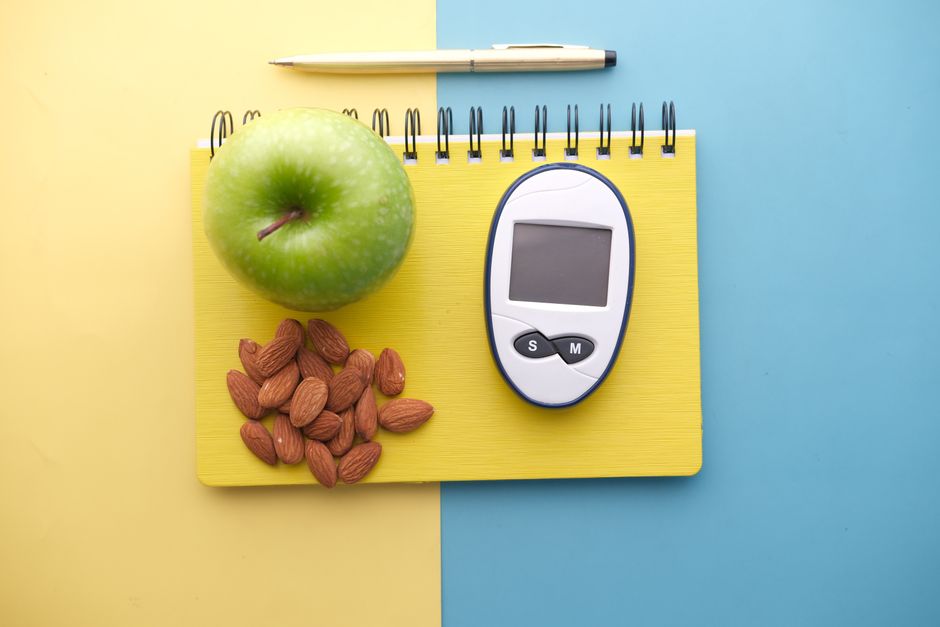
A glucose blood test measures the sugar level in your blood at a single moment. The result tells your doctor how your body handles glucose, which is your main energy source. Passing the test means your number falls within a normal range, and that depends on your preparation in the days and hours before the test.
What Is a Normal Glucose Blood Test Result?
Normal fasting blood glucose is below 100 mg/dL. A fasting test means you have not eaten or drunk anything except water for at least 8 hours.
A result between 100 and 125 mg/dL is called impaired fasting glucose, or prediabetes. A result of 126 mg/dL or higher on two separate tests indicates diabetes. These ranges are well established by medical organizations including the American Diabetes Association.
If you are having a non-fasting glucose test, the normal range is different. A random glucose test result below 140 mg/dL is generally considered normal, though the timing of your last meal affects the number.
How To Pass A Glucose Blood Test: What Actually Works
The honest answer is that you cannot reliably fake a glucose test. Your blood sugar reflects your recent food intake, your physical activity, your stress level, and your body’s insulin response. Short-term tactics can lower the number slightly, but they do not change your underlying glucose control.
What works is what your body needs anyway: consistent eating patterns, regular movement, and adequate sleep in the days before the test.
Here is what the evidence supports:
- Fast for the full 8 to 12 hours before a fasting test. Even a small snack or a sugary drink can raise your glucose above the fasting threshold.
- Drink water before the test. Dehydration can concentrate your blood and may raise glucose readings.
- Avoid alcohol for 24 hours before the test. Alcohol can interfere with liver glucose production and affect your result.
- Do not exercise vigorously in the hours before the test. Intense exercise can temporarily raise blood sugar due to stress hormones.
- Get a normal night of sleep. Poor sleep is linked to higher fasting glucose in many studies.
None of these steps guarantee a normal result. They simply prevent artificially high readings that do not reflect your usual glucose levels.
What Raises Blood Glucose Before a Test
Several common habits can push your glucose up right before a blood draw. Knowing them helps you avoid a misleading result.
Carbohydrate-heavy meals in the evening before a fasting test can keep glucose elevated into the morning, especially if you eat late. A large dinner with rice, pasta, bread, or dessert at 10 p.m. may still influence your 8 a.m. fasting reading.
Sugary drinks, including fruit juice and sweetened coffee, are obvious culprits. But even unsweetened coffee can affect glucose in some people. Caffeine triggers the release of adrenaline, which signals your liver to release stored glucose.
Stress is another factor. Anxiety about the test itself can raise blood sugar through cortisol and adrenaline. If you are nervous, sit quietly for 10 minutes before the draw.
Illness also raises glucose. Even a mild cold or infection can produce a temporary elevation that does not reflect your usual metabolic health.


How Long Should You Fast Before a Glucose Test?
The standard fasting window is 8 to 12 hours. Most doctors ask for an 8-hour fast, but some prefer 10 to 12 hours for more consistent results.
Water is allowed during the fast. Black coffee and tea are technically allowed by some guidelines, but they can affect glucose in sensitive individuals. The safest choice is water only.
If you take diabetes medication, ask your doctor whether to take it before the test. Some medications can cause low blood sugar if taken without food. Your doctor’s instructions override general advice in this situation.
Schedule your test for the morning. Fasting overnight is easier than fasting during the day, and your body’s glucose regulation is most stable in the morning hours.
Can Drinking Water Before a Glucose Test Help?
Yes, staying hydrated helps, but the effect is modest. Water does not dilute your blood sugar in a meaningful way. Your body tightly regulates blood glucose concentration regardless of how much water you drink.
What water does do is support normal blood volume and circulation. Dehydration makes veins harder to find and can make blood thicker, which may affect lab processing. Being well hydrated also reduces the chance of a failed draw that requires a second needle stick.
Drink a glass or two of water in the morning before your test. Avoid adding anything to it. No juice, no flavoring, no electrolytes with sugar.
What to Eat the Night Before a Glucose Test
Your evening meal matters more than you might think. A balanced dinner with protein, vegetables, and a moderate amount of complex carbohydrates supports a normal fasting glucose the next morning.
Good choices include grilled chicken with roasted vegetables, fish with a small serving of brown rice, or a salad with beans and olive oil. These foods digest slowly and do not cause a sharp glucose spike that lingers into the morning.
Avoid very high-carbohydrate meals, fried foods, and large desserts the night before. These can keep your glucose elevated for hours. Also avoid eating within 2 to 3 hours of bedtime.
Do not skip dinner entirely. Fasting for longer than 12 hours can cause your liver to release stored glucose, which may actually raise your morning reading.
What If Your Glucose Test Comes Back High?
A single high reading does not mean you have diabetes. Many factors can cause a one-time elevation, including stress, illness, poor sleep, or a heavy meal the night before.
If your fasting glucose is above 100 mg/dL, your doctor will likely recommend a repeat test or a more detailed test like the hemoglobin A1c. The A1c test measures your average blood sugar over the past 2 to 3 months and is not affected by fasting.
Here is what the numbers mean for A1c:
- Normal: below 5.7%
- Prediabetes: 5.7% to 6.4%
- Diabetes: 6.5% or higher
If your test is high, do not panic. Ask your doctor about follow-up testing and discuss your diet, activity level, and any family history of diabetes. Early detection gives you the best chance to prevent or delay progression.
Can You Trick a Glucose Test by Fasting Longer?
No. Fasting longer than 12 hours can backfire. When your body goes without food for too long, your liver releases stored glucose to keep your brain and muscles fueled. This can raise your fasting glucose above your usual baseline.
This is called the dawn phenomenon or the fasting rebound effect. It is why some people get higher readings at 14 hours of fasting than at 10 hours.
Follow the recommended 8 to 12 hour fast. More is not better.
Do Glucose Tests Require Any Other Preparation?
Tell your doctor about every medication and supplement you take. Some medications affect blood glucose, including steroids, certain blood pressure drugs, and some psychiatric medications.
If you take vitamins or supplements, check whether they contain sugar or affect glucose metabolism. Biotin, found in many multivitamins, can interfere with some lab assays. High doses of biotin can cause falsely high or falsely low results depending on the test method.
If you are pregnant, glucose testing follows a different protocol. The oral glucose tolerance test used in pregnancy involves drinking a sugary solution and having blood drawn at specific intervals. Preparation for that test is different, and you should follow your obstetrician’s instructions exactly.
Frequently Asked Questions
Can I drink coffee before a fasting glucose test?
Water is the only safe choice. Black coffee can raise blood sugar in some people because caffeine triggers stress hormones that release stored glucose.
What happens if I eat before a fasting glucose test?
Your result will likely be elevated and may not reflect your true fasting glucose. Tell your lab technician you ate, and your doctor will decide whether to reschedule.
How long does it take to get glucose test results?
Most labs return fasting glucose results within 24 to 48 hours. Your doctor’s office will contact you with the results and explain what they mean.
Can exercise the night before lower my glucose test result?
Regular exercise improves glucose control over time, but intense exercise immediately before the test can raise blood sugar temporarily. Moderate activity the day before is fine.
