
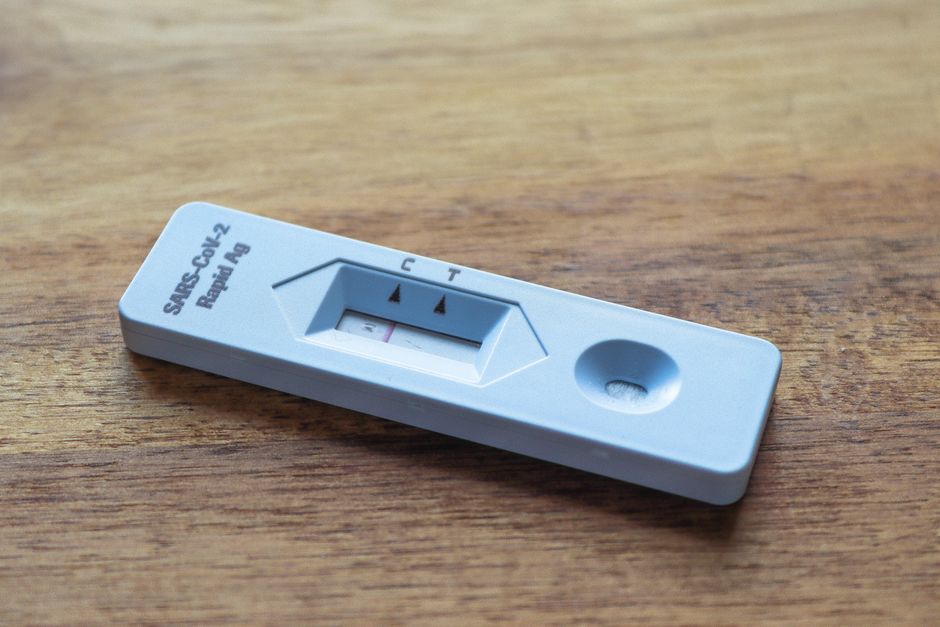
Testing for COVID-19 is not as simple as it was a few years ago. The timing of your test, the type you choose, and how you interpret the result all matter more than most people realize. The short answer: if you have symptoms, test right away with a rapid antigen test. If you were exposed but have no symptoms, wait at least five days or use a PCR test for the most accurate result. A negative rapid test does not always mean you are not infected, especially early on.
When Should You Test After a COVID Exposure?
After you are exposed to someone with COVID, the virus needs time to multiply in your body before a test can detect it. This is called the incubation period. Current research suggests the average incubation period is now around three to four days, but it can range from two to five days depending on the variant.
Testing too soon after exposure is the most common mistake people make. If you test on day one or two, the viral load may still be too low for a rapid test to pick up. A negative test at that point gives false reassurance. A better approach: test on day five after exposure if you have no symptoms. If you develop symptoms at any point, test immediately.
Some people test multiple times over several days to be sure. This strategy makes sense because viral load rises and falls. A single negative test is not proof you are in the clear.
What Type of COVID Test Should You Use?
There are two main types of tests available to the public: rapid antigen tests and PCR tests. They work differently and have different strengths. Rapid antigen tests detect proteins from the virus. They are fast, cheap, and give results in about 15 minutes. PCR tests detect genetic material from the virus. They are more sensitive and can find very small amounts of the virus.
PCR tests are the gold standard for accuracy. Research shows they can detect COVID earlier in an infection and remain positive longer. But they take one to three days to get results, and they can sometimes detect dead virus fragments weeks after you are no longer contagious. This means a positive PCR test does not always mean you are currently infectious.
Rapid antigen tests are less sensitive, especially in people without symptoms. They work best when your viral load is high, which is usually when you are most contagious. A positive rapid test is very reliable. A negative one is less reliable, especially if you have symptoms or were recently exposed.
| Test Type | Best For | Accuracy | Result Time |
|---|---|---|---|
| Rapid Antigen | Symptom onset, confirming active infection | Good when viral load is high | 15 minutes |
| PCR | Early detection, confirming negative result | Very high sensitivity | 1-3 days |
How To Test For Covid Timing Types And Results Correctly
How To Test For Covid Timing Types And Results comes down to following the instructions exactly. Every test kit has specific steps. The most common errors happen when people do not swab properly or test at the wrong time. Swab both nostrils, not just one. Rotate the swab for the full 15 seconds as directed. Do not touch the swab tip to anything before inserting it into the solution.
Read the result at the exact time the package says, usually 15 minutes. Reading too early can give a false negative. Reading too late, like after an hour, can give a false positive from the test strip drying out. The control line must appear for the test to be valid. If no control line shows, the test did not work and you need a new one.
Store your tests at room temperature. Extreme heat or cold can damage the chemicals in the test and cause inaccurate results. If you have symptoms and get a negative rapid test, repeat the test 24 to 48 hours later. Serial testing improves accuracy significantly.


What Does a Positive Test Result Actually Mean?
A positive rapid antigen test means you have a high viral load and are almost certainly contagious. You should isolate immediately and notify close contacts. A positive PCR test also means you have COVID, but it may detect virus from an infection that started days ago or even a past infection that is no longer active.
If you test positive on a rapid test, you do not need a PCR test to confirm it. The chance of a false positive on a rapid test is very low, especially when COVID is circulating in your community. False positives can happen, but they are rare. Trust a positive rapid test and act on it.
If you test positive on a PCR test but have no symptoms and have not had symptoms for weeks, you may still have viral fragments but not be contagious. Talk to your doctor about what your specific situation means. Some people test positive on PCR for up to 90 days after infection.
What Does a Negative Test Result Actually Mean?
A negative test result is less straightforward than most people think. A negative rapid test means the test did not find enough virus to trigger a positive. It does not mean you have zero virus in your body. If you have symptoms, a negative rapid test could mean you tested too early, your viral load is low, or you have a different illness altogether.
Studies have found that rapid antigen tests miss about 30 to 40 percent of infections in people without symptoms. That number drops to about 10 to 20 percent in people with symptoms. This is why a negative test should never be your only reason to stop masking or visit vulnerable people.
If you were exposed and have no symptoms, a single negative rapid test on day five is a good sign but not definitive. A negative PCR test at day five is more reliable. If you have symptoms and test negative on a rapid test, take another test 24 hours later. If that is also negative and symptoms continue, consider a PCR test or talk to your doctor.
Common Misconceptions About COVID Testing
One widespread myth is that you can test negative in the morning and positive in the afternoon because viral load fluctuates that fast. That is not how COVID works. Viral load changes over days, not hours. If you test negative in the morning and positive in the afternoon, it is more likely you were already infected and your viral load was just below the test’s detection limit earlier.
Another myth is that you need to swab your throat instead of your nose for a more accurate result. As of 2026, the FDA has not authorized throat swabbing for any home COVID test. Some people report getting positive throat swabs when their nose swab was negative, but this is widely claimed without strong evidence from large studies. Stick to the nose swab as the instructions say.
A third misconception is that a negative test means you can safely visit an elderly relative. It does not. A negative test reduces risk but does not eliminate it. The safest approach is to combine testing with masking, ventilation, and staying home when sick.
Frequently Asked Questions
How many days after exposure should I test for COVID?
Test on day five after exposure if you have no symptoms. Test immediately if you develop symptoms at any point.
Can a rapid test be negative if I have COVID?
Yes, especially early in the infection or if your viral load is low. Repeat testing 24 to 48 hours later improves accuracy.
Is a PCR test more accurate than a rapid test?
Yes, PCR tests are more sensitive and can detect smaller amounts of virus. They are the most reliable option for early or asymptomatic infection.
Do I need to confirm a positive rapid test with a PCR test?
No. A positive rapid test is very reliable and means you are contagious. Isolate and follow public health guidance without further testing.
