
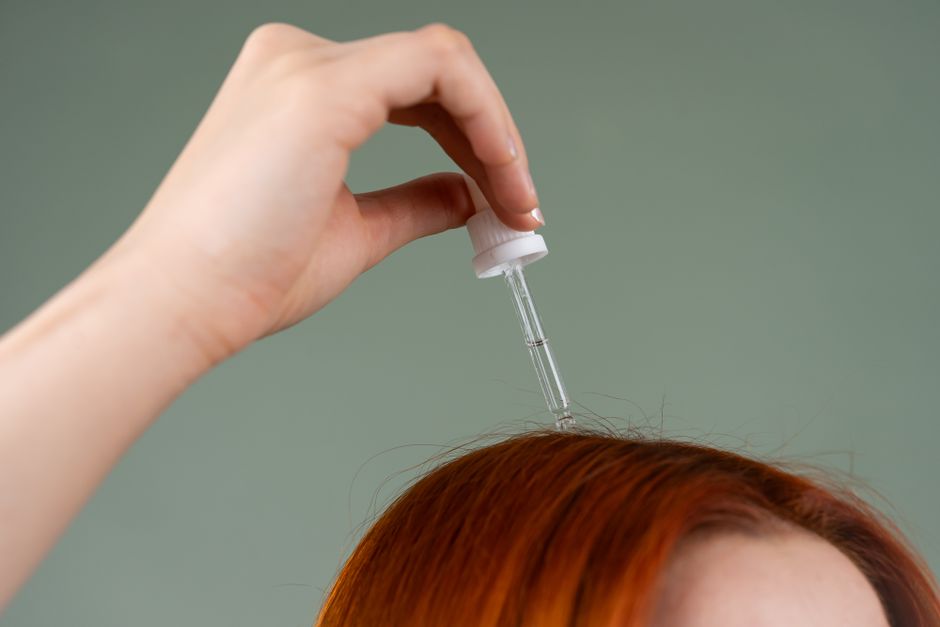
Itching scalp. White flakes in your hair. You spot something and your first thought is lice. But it could just be dandruff. The quickest way to tell is where the flakes are and how they behave. Lice eggs (nits) stick firmly to the hair shaft near the scalp and do not brush off easily. Dandruff flakes are loose, dry, and fall from the scalp itself. If you run your fingers through your hair and white specks fall onto your shoulders, that is likely dandruff. If you see tiny, yellowish-white specks glued to individual hairs near the root that you cannot flick away, that is likely lice.
What is the main difference between lice and dandruff?
The difference comes down to what you are actually seeing. Dandruff is dead skin cells from your scalp. It is a common skin condition that causes flaking. Lice are tiny parasites that live on your scalp and feed on blood. Their eggs, called nits, are what people often mistake for dandruff.
Dandruff flakes are irregular in size and shape. They can be small or large. They look like dry skin. Lice eggs are uniform, tiny, and oval-shaped. They are about the size of a sesame seed. Dandruff moves freely on your scalp. Lice eggs are cemented to the hair shaft and do not move unless you physically slide them off with your fingernails.
The location matters too. Dandruff appears all over the scalp and can spread to the eyebrows and behind the ears. Lice and their eggs tend to cluster behind the ears and at the nape of the neck where it is warmest. If the itching is strongest in those spots, that points toward lice.
How can you check your scalp at home?
You need good light and a fine-toothed comb. Natural daylight is best. Sit under a bright lamp if you are indoors. Part your hair in small sections and look closely at the scalp and the roots of the hair.
For dandruff, you will see white or yellowish flakes sitting on the scalp. They might be oily or dry. When you touch them, they crumble easily. You can brush them out with a regular comb or even your fingers.
For lice, you are looking for nits. These are small, yellowish-white or brown dots attached to the hair shaft within a quarter inch of the scalp. They look like tiny seeds glued in place. The American Academy of Dermatology recommends using a nit comb to check. Comb small sections of hair from the scalp outward onto a white paper towel. Nits will not fall off the comb easily. Dandruff will.
Live lice are harder to spot because they move fast and avoid light. They are about the size of a sesame seed and are grayish-white or tan. Adult lice can crawl but cannot fly or jump. If you see a small bug moving through the hair, you have lice.
What do the symptoms feel like for each condition?
Itching is the main symptom for both, but the sensation is different. Dandruff itching is often mild and feels like general scalp dryness. It can get worse in cold weather or if you go too long without washing your hair. Some people with dandruff also have redness or greasy patches on the scalp.
Lice itching is usually more intense. It is caused by an allergic reaction to the saliva of the louse when it bites. The itch is often described as a tickling feeling or something moving in the hair. It can be worse at night when lice are most active. The CDC notes that some people with lice do not itch at all for the first few weeks, especially if it is their first infestation.
Scratching from lice can lead to small red bumps on the scalp and neck. These can become infected if scratched too much. Dandruff rarely causes open sores unless there is an underlying skin condition like seborrheic dermatitis.
There is one non-obvious clue. If other family members are itching too, that strongly points to lice. Lice spread through head-to-head contact. Dandruff is not contagious. If you are the only one with symptoms, it is more likely dandruff.




Can dandruff be mistaken for lice eggs in the mirror?
Yes, this is very common. People see white specks and panic. But the two look quite different up close. Here is a simple comparison table to help you tell them apart at a glance.
| Feature | Dandruff | Lice Eggs (Nits) |
|---|---|---|
| Appearance | Irregular white or yellow flakes | Uniform oval, yellowish-white or brown |
| Location | On the scalp surface | Glued to the hair shaft near the scalp |
| Removal | Falls off easily when brushed | Sticks firmly, hard to remove |
| Sound when crushed | No sound, crumbles like dry skin | Audible pop or click |
| Spread | Not contagious | Spreads through head contact |
One trick that works is the “flick test.” Try to flick a white speck off your hair with your finger. If it flies off easily, it is dandruff. If it stays stuck to the hair, it is likely a nit. This is not a perfect test but it is a quick initial check.
Another clue is the color of the flakes. Dandruff is always white or light yellow. Nits that have not hatched are darker, often brown. Empty nit shells are white but they stay attached to the hair. So if you see white specks that are firmly stuck, those are hatched nits. Dandruff never sticks to the hair shaft itself.
What about other conditions that look like lice or dandruff?
There are a few other things that cause scalp flakes that people confuse with lice. Knowing about them saves you unnecessary treatment.
Product buildup is a common one. Hair gels, sprays, and dry shampoos can leave white residue that looks like dandruff. The difference is that product buildup washes out completely with shampoo. Dandruff often returns within a day or two after washing. If your flakes disappear after a good wash and stay gone for a few days, it was probably product residue.
Seborrheic dermatitis is a more severe form of dandruff. It causes greasy, yellowish scales and redness. It can appear on the scalp, eyebrows, sides of the nose, and behind the ears. Unlike lice, seborrheic dermatitis causes inflammation and sometimes a mild rash. Research published in the Journal of the American Academy of Dermatology shows that seborrheic dermatitis is caused by an overgrowth of yeast on the skin, not parasites.
Hair casts are another thing people mistake for nits. These are tiny, white, tube-shaped pieces of keratin that form around the hair shaft. They slide off easily when you pinch the hair and pull. Nits do not slide off. Hair casts are harmless and often caused by styling products or a tight ponytail.
Some people report seeing “scalp acne” or small bumps that they worry are lice bites. These are usually folliculitis, which is an infection of the hair follicle. It looks like small red or white bumps. Lice bites are usually flat red spots that itch intensely. If you have bumps with pus, it is not lice.
How To Tell If You Have Lice Or Just Dandruff when you are still unsure
If you have checked carefully and still cannot decide, there are a few reliable next steps. The most accurate method is to see a healthcare provider. A doctor, nurse, or school health official can examine your scalp with a magnifying glass and confirm what you are dealing with. They see this all the time and can tell the difference in seconds.
Another option is the vinegar test. Soak a cotton ball in white vinegar and rub it on a suspicious speck. Wait a few minutes. Vinegar dissolves the glue that holds nits to the hair. If the speck loosens or slides off, it was a nit. Dandruff is not affected by vinegar. This is a home method, not a clinical one, but it works well enough for a quick answer.
If you try an over-the-counter lice treatment and nothing changes, you probably have dandruff. Lice treatments do not affect dandruff at all. Similarly, if you use a dandruff shampoo for two weeks and the flakes keep coming, it could be lice or another scalp condition like psoriasis.
Here is a quick list of signs that point strongly to lice:
- Flakes that do not brush off the hair
- Itching that is worse at night
- Small red bites on the neck or behind the ears
- Other household members with the same symptoms
- Seeing a small bug crawling on the scalp
And here is what points to dandruff:
- Flakes that fall onto your shoulders easily
- Itching that gets better after shampooing
- No bugs or eggs visible on the hair shaft
- No one else in the house is itching
- Flakes appear on your eyebrows or chest hair too
If you are still uncertain after all of this, go see a professional. Treating for lice when you have dandruff wastes time and money. Treating for dandruff when you have lice lets the infestation spread. Getting a clear answer is worth the visit.
Frequently Asked Questions
Can lice look like dandruff in blonde hair?
Yes, nits can blend in with light hair and be harder to spot. Use a fine-toothed comb on a white paper towel to see them more clearly.
Do lice itch more at night than dandruff?
Yes, lice are most active in the dark and their bites cause stronger itching at night. Dandruff itching is more constant throughout the day.
Can you have lice and dandruff at the same time?
Yes, you can have both conditions simultaneously. Treat each one separately since lice treatment will not cure dandruff and dandruff shampoo will not kill lice.
How long after treatment do lice eggs stop looking like dandruff?
Dead nits remain glued to the hair until they grow out or are manually removed. They may still look like flakes for weeks after treatment.
