
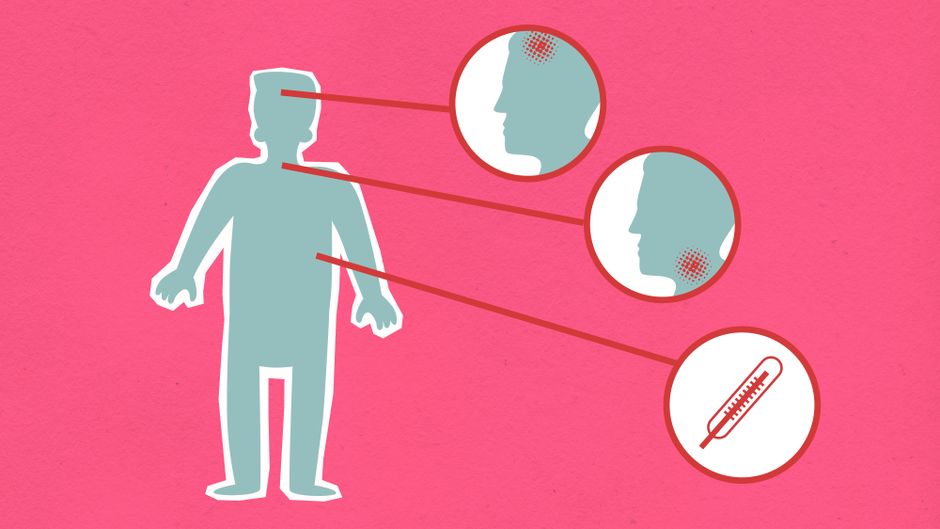
A stiff neck, a pounding headache, and a fever can send anyone’s mind straight to meningitis. But dozens of conditions can produce that same terrifying trio of symptoms, and most of them are not meningitis at all. The key difference usually comes down to how fast symptoms appear, how severe the neck stiffness is, and whether the person has other signs like confusion, a rash, or sensitivity to light. Meningitis is an inflammation of the membranes surrounding the brain and spinal cord, and it can become life-threatening within hours — so when in doubt, seek emergency care rather than trying to sort it out at home.
What Is Meningitis And Why Does It Matter To Tell The Difference?
Meningitis is inflammation of the meninges — the three protective layers that wrap around the brain and spinal cord. It can be caused by bacteria, viruses, fungi, or in rare cases, parasites or non-infectious triggers like certain medications and autoimmune conditions.
Bacterial meningitis is the most dangerous form. It can progress rapidly and cause permanent neurological damage or death if not treated promptly. Viral meningitis is far more common and typically less severe, though it can still make someone feel very sick for days.
The problem is that early meningitis symptoms — headache, fever, neck stiffness — overlap with a long list of other conditions. That overlap is exactly why telling the difference matters. Missing bacterial meningitis can be fatal. Assuming every stiff neck is meningitis leads to unnecessary panic and emergency visits.
There is no single symptom that confirms meningitis. The pattern, speed, and combination of symptoms is what clinicians use to decide whether to do a spinal tap — the definitive test.
What Conditions Commonly Mimic Meningitis?
Several conditions produce symptoms that closely resemble meningitis. Some are serious in their own right. Others are uncomfortable but not dangerous.
- Encephalitis — inflammation of the brain tissue itself, often caused by viruses. It can cause fever, headache, and confusion similar to meningitis, and the two sometimes occur together (meningoencephalitis).
- Severe flu or influenza — high fever, body aches, and headache are common. Neck discomfort from muscle aches can feel like stiffness. But true meningeal stiffness — where you physically cannot bend your neck forward — is different from sore muscles.
- Strep throat or severe upper respiratory infections — can cause fever, headache, and swollen lymph nodes in the neck that make movement painful.
- Migraine — severe headaches with light sensitivity and nausea overlap with meningitis symptoms. But migraine typically does not cause fever or true neck rigidity.
- Brain abscess — a pocket of infection in the brain. Symptoms can include headache, fever, and neurological changes. It requires urgent medical evaluation.
- Subarachnoid hemorrhage — bleeding around the brain. It causes a sudden, severe “thunderclap” headache and neck stiffness from blood irritating the meninges. There is usually no fever.
- Tension headache with neck muscle strain — very common. Neck pain is muscular, not from meningeal inflammation. No fever, no light sensitivity, no confusion.
- Cervical spine problems — arthritis, disc issues, or muscle spasms in the neck can limit neck movement. These do not cause fever or headache in the way meningitis does.
- Certain autoimmune conditions — lupus and other autoimmune diseases can cause meningeal inflammation without infection.
- Medication reactions — some drugs, including certain antibiotics and anti-inflammatory medications, can trigger aseptic meningitis as a side effect.
That list is not exhaustive. The point is that fever plus headache plus neck discomfort does not automatically equal meningitis.
How Can You Tell The Difference Between Meningitis And Its Mimics?
Doctors look at specific features to separate meningitis from conditions that look like it. The most reliable clues involve the neck stiffness itself, the speed of onset, and the presence of neurological symptoms.
True meningeal stiffness is not just a sore neck. It is resistance to bending the neck forward — the muscles actively fight the movement. In meningitis, this happens because the inflamed meninges make any stretching of the spinal cord covering painful.
Two clinical signs doctors sometimes check:
- Kernig’s sign — the person lies on their back, and the doctor tries to straighten the knee while the hip is flexed. Resistance or pain suggests meningeal irritation.
- Brudzinski’s sign — when the doctor flexes the neck forward, the hips and knees involuntarily bend. This also suggests meningeal irritation.
These signs are helpful when present, but they are not perfectly sensitive. Some people with confirmed meningitis do not show them, especially early on. No clinical sign replaces a spinal tap when meningitis is genuinely suspected.
Other distinguishing features:
| Feature | More Concerning for Meningitis | More Consistent with Mimics |
|---|---|---|
| Neck stiffness | Cannot bend chin to chest; resistance is involuntary | Sore, achy, but can still move neck through range |
| Fever | Often high and sudden | May be low-grade or absent (migraine, tension headache) |
| Light sensitivity | Common | Common in migraine, less so in muscle strain |
| Rash | Non-blanching petechial rash suggests meningococcal infection | Not typical of most mimics |
| Mental status | Confusion, drowsiness, or difficulty waking | Alert and oriented in most mimics |
| Onset speed | Hours to a day or two for bacterial | Variable; thunderclap headache suggests hemorrhage |
A non-blanching rash — one that does not fade when you press a clear glass against it — is a red flag for meningococcal disease and requires immediate emergency care.





When Should You Go To The Emergency Room?
Go to the emergency room immediately if someone has fever along with a stiff neck, severe headache, confusion, or a non-blanching rash. Do not wait to see if it gets better.
Bacterial meningitis can progress from mild symptoms to life-threatening illness in less than 24 hours. In some cases, deterioration happens within hours. The window for effective treatment is narrow.
Other reasons to seek emergency care:
- Sudden, severe headache that peaks in seconds (thunderclap headache)
- Seizures
- Double vision or vision loss
- Weakness or numbness on one side of the body
- Inability to stay awake or extreme drowsiness
- In infants: bulging soft spot, inconsolable crying, poor feeding, or unusual stiffness
In infants and young children, meningitis symptoms can be subtle. Fever, irritability, and poor feeding may be the only signs. Parents and caregivers should err on the side of caution.
For adults, the combination of fever and true neck rigidity is the most concerning pair. If both are present, treat it as an emergency until proven otherwise.
What Happens During A Medical Evaluation?
When meningitis is suspected, doctors move quickly. The evaluation typically includes a physical exam, blood tests, and often a lumbar puncture (spinal tap).
A spinal tap involves inserting a needle into the lower back to collect cerebrospinal fluid. That fluid is then tested for signs of infection — elevated white blood cells, low glucose, high protein, and the presence of bacteria or viruses.
The spinal tap is the only way to definitively diagnose meningitis and identify the cause. Blood tests alone cannot rule it out.
In some cases, a CT scan of the head is done before the spinal tap to check for increased pressure or masses that would make the procedure risky. This does not delay treatment if bacterial meningitis is strongly suspected — antibiotics are often started before test results come back.
If the spinal tap is clear and symptoms point to a mimic, doctors then investigate other causes. That might include imaging for subarachnoid hemorrhage, testing for autoimmune conditions, or simply treating a severe viral illness.
What About Viral Meningitis Versus Bacterial Meningitis?
Viral meningitis is far more common than bacterial meningitis in the United States. It is usually less severe and often resolves on its own within 7 to 10 days, though fatigue and headaches can linger longer.
Bacterial meningitis is less common but much more dangerous. It requires immediate antibiotics and sometimes corticosteroids. Even with treatment, it can cause hearing loss, brain damage, or death.
The symptoms can be nearly identical early on. That is why anyone with suspected meningitis is treated as a potential bacterial case until testing proves otherwise. You cannot tell the difference based on symptoms alone.
Vaccines are available for several causes of bacterial meningitis, including Streptococcus pneumoniae, Neisseria meningitidis, and Haemophilus influenzae type b. These vaccines have substantially reduced bacterial meningitis rates in countries where they are widely used.
Can You Check For Meningitis At Home?
No. There is no reliable way to diagnose or rule out meningitis at home.
Some people try the “chin-to-chest” test — attempting to touch the chin to the chest. If it causes severe pain or cannot be done, that is concerning. But passing the test does not rule out meningitis. Early cases may not show neck rigidity yet.
Home checks like looking for a rash or checking for fever can raise suspicion, but they cannot provide answers. If you suspect meningitis, skip the home assessment and go to the emergency room.
What Mimics Meningitis Most Often In Children?
In children, the most common mimics are viral illnesses with high fever, ear infections, and severe sore throats. These can cause headache, irritability, and neck discomfort.
But children can also develop meningitis quickly, and their symptoms may be vague. A child who is lethargic, inconsolable, or has a fever with a stiff neck should be evaluated urgently.
Febrile seizures can occur with high fevers from any cause, including meningitis mimics. A seizure with fever does not automatically mean meningitis, but it always warrants medical attention in a child.
In infants under 3 months, fever is treated as an emergency regardless of other symptoms, because their immune systems are immature and serious infections can present subtly.
Frequently Asked Questions
Can a stiff neck from sleeping wrong feel like meningitis?
Yes, a muscle strain from sleeping in an awkward position can cause significant neck pain and limited movement. But it does not cause fever, light sensitivity, or confusion, which are key features of meningitis.
How fast does meningitis progress?
Bacterial meningitis can worsen within hours to a day or two, sometimes progressing from mild symptoms to serious illness in less than 24 hours. Viral meningitis tends to develop more gradually and is usually less severe.
Is there a rash with all types of meningitis?
No. A non-blanching rash is most associated with meningococcal bacteria, but many other types of meningitis do not cause a rash at all. The absence of a rash does not rule out meningitis.
Can a migraine cause neck stiffness and fever?
Migraine can cause neck stiffness and light sensitivity, but it does not typically cause fever. If fever is present along with a severe headache and neck stiffness, treat it as a potential emergency.
