
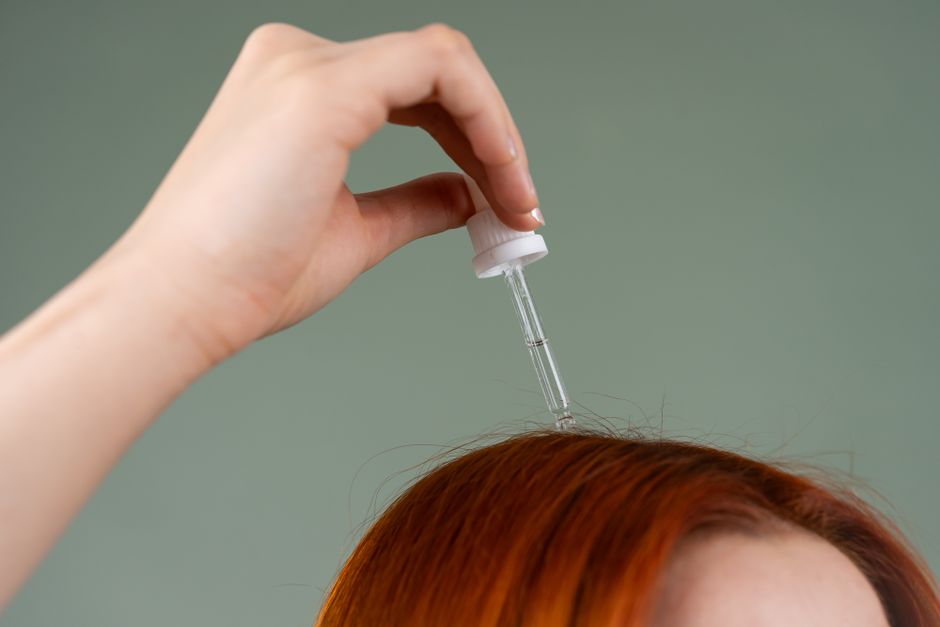
Head lice are a common problem, especially for families with school-age children. The most reliable way to know you have lice is to find a live louse or a viable egg (nit) on your scalp or hair. Lice are small, wingless insects that feed on human blood from the scalp. They cannot fly or jump. They crawl from one head to another through direct contact. Finding an itchy scalp alone is not proof, because many things cause itching. A confirmed diagnosis requires seeing the insect or its egg with your own eyes or with a magnifying glass.
How Do You Know You Have Lice?
You know you have lice when you find a live louse or a viable nit attached to a hair shaft close to the scalp. The most common places to look are behind the ears, along the neckline, and at the crown of the head. Lice and their eggs are tiny but visible to the naked eye if you look carefully under bright light.
An adult louse is about the size of a sesame seed — roughly 2 to 3 millimeters long. It has six legs with claws that grip hair shafts. Nits are even smaller, about 0.8 millimeters, and they are glued to individual hairs. They range in color from yellowish-white to tan and are oval-shaped. Unlike dandruff, nits cannot be brushed off easily because they are cemented in place.
Itching is the most common symptom, but it is not a reliable sign on its own. Itching happens when the scalp becomes sensitized to louse saliva. This sensitization can take several weeks the first time someone gets lice. That means a person can have lice for weeks before feeling any itch at all. Some people never develop itching.
A proper examination uses a fine-toothed nit comb on wet, conditioned hair. Wet combing is more effective than dry inspection because it slows the lice down and makes them easier to see. Part the hair into small sections. Comb from the scalp to the ends. Wipe the comb on a white paper towel or cloth after each stroke. Look for moving lice or nits attached to the hair.
Finding nits does not always mean an active infestation. Nits that are more than about 1 centimeter from the scalp are usually empty shells from an old infestation. Only nits within about 1 centimeter of the scalp are likely to contain a live embryo. A live louse is the clearest confirmation.
What Do Lice Look Like Compared to Dandruff?
Lice and dandruff look different when you know what to check. Dandruff flakes are irregular, white, and loose. They slide off the hair easily when you touch them or comb through. Nits are oval, uniform in shape, and firmly attached to one side of a hair shaft. They do not move when you try to flick them off.
Adult lice are tan to grayish-white. They often match the color of the person’s hair, which makes them harder to spot. After feeding, a louse may appear darker or reddish-brown. They move quickly and avoid light, so they may scurry away when you part the hair to look.
Other things can be mistaken for lice or nits:
- Hair casts — small, tube-like structures that slide along the hair shaft
- Seborrheic dermatitis scales that stick to the scalp and hair
- Hairspray residue or gel clumps
- Fungal debris or dead skin cells
A magnifying glass helps distinguish these. Hair casts slide freely along the hair. Nits do not. If you are unsure, a healthcare provider or school nurse can check. Some clinics offer professional head checks.
What Are the Signs and Symptoms of Head Lice?
The main symptom is itching, but it is not always present. When it does occur, the itch is usually worst behind the ears and at the back of the neck. Some people develop small red bumps or sores from scratching. In rare cases, scratching can lead to a secondary bacterial skin infection.
Some people notice a tickling feeling of something moving in the hair. Others see lice or nits on a pillow, comb, or hat. These findings are less common but possible. Many people have no symptoms at all and only discover lice when someone else in the household is diagnosed.
It is important to know that head lice are not a sign of poor hygiene. They feed on blood, not dirt. They can live on anyone’s head regardless of how often hair is washed. This is one of the most persistent myths about lice.
Head lice do not carry disease. They are a nuisance, not a public health emergency. They do not spread bacteria or viruses the way ticks or mosquitoes can. The main problems are itching, sleep disruption, and the cost and effort of treatment.




How Do Lice Spread and Who Is at Risk?
Head lice spread through direct head-to-head contact. This is by far the most common route. Children ages 3 to 11 and their families are affected most often. This is because young children play closely together, share beds, and often touch heads during play.
Lice can also spread through shared items, but this is less common. Shared combs, brushes, hats, helmets, pillows, and headphones can carry lice. The risk is lower because lice cannot survive long away from a human scalp. An adult louse typically dies within one to two days without feeding. Nits need the warmth of a human scalp to hatch. They cannot hatch at room temperature.
Lice do not jump or fly. They crawl. They cannot swim, so they do not spread through swimming pools. They do not live on pets. You cannot get lice from a dog or cat.
Certain groups have higher risk:
- Children in preschool or elementary school
- Parents and siblings of affected children
- People living in crowded conditions
- Anyone in close physical contact with an affected person
African American children in the United States are affected less often. This may be due to differences in hair texture that make it harder for lice to grip the hair shaft. However, lice can still infest anyone.
How Do You Check for Lice at Home?
Checking for lice at home requires good light and a fine-toothed nit comb. Sit the person in a brightly lit room. Natural daylight or a strong lamp works best. Wet the hair and apply conditioner. This makes combing easier and stops lice from moving quickly.
Part the hair into small sections. Start at the scalp and comb down to the ends. After each stroke, wipe the comb on a white paper towel. Look for lice or nits. Pay close attention to the areas behind the ears and at the nape of the neck.
Spend at least 10 to 15 minutes checking the whole head. A quick look is not enough. Lice move fast and hide. If you find nothing on the first check but symptoms continue, check again in a few days. A second or third check improves the chance of finding lice if they are present.
If you find a live louse, assume everyone in the household should be checked. Do not treat anyone unless you find a live louse or a nit within 1 centimeter of the scalp. Treating people who do not have lice exposes them to unnecessary medication and does not prevent infestation.
When Should You See a Doctor?
See a doctor if you are not sure whether you have lice or if over-the-counter treatments have not worked. Some lice have developed resistance to common chemical treatments. A healthcare provider can confirm the diagnosis and recommend a different approach if needed.
Also see a doctor if scratching has caused open sores, redness, swelling, or pus. These signs suggest a secondary bacterial infection. This is uncommon but requires medical treatment.
If you are pregnant or breastfeeding, check with a healthcare provider before using any lice treatment product. Some products are not recommended during pregnancy or breastfeeding. No clinical guidelines currently exist for all products in these groups, so individual medical advice matters.
For infants, do not use chemical lice treatments without medical guidance. Manual removal with a nit comb is often the safest approach for very young children, but a healthcare provider should confirm.
If you have tried two different treatments correctly and still find live lice, see a doctor. Do not keep applying the same product repeatedly. This increases the risk of side effects without solving the problem.
What Is the Difference Between Live Lice and Nits?
Live lice are the insects themselves. They are about 2 to 3 millimeters long and move. Nits are the eggs. They are glued to hair shafts and do not move. A nit takes about 7 to 12 days to hatch. After hatching, the empty shell stays attached to the hair and grows out with it as the hair grows.
This difference matters for treatment decisions. Finding only empty nits far from the scalp does not mean you have an active infestation. Finding live lice or nits close to the scalp does. A common mistake is treating for nits that are actually old and empty.
After treatment, some nits may remain. This does not always mean treatment failed. If the nits are more than 1 centimeter from the scalp, they are likely empty. If they are close to the scalp and you see live lice, treatment may not have worked.
Frequently Asked Questions
Can you have lice and not know it?
Yes. Many people have lice for weeks before noticing any symptoms. Itching only starts after the scalp becomes sensitized to louse saliva, which can take several weeks the first time.
How do you tell if nits are dead or alive?
Nits within about 1 centimeter of the scalp are more likely to be viable. Nits farther out are usually empty shells. A magnifying glass can help, but only a live louse confirms an active infestation.
Do lice go away on their own?
No. Head lice do not go away without treatment. They reproduce and can spread to others. Treatment with approved products or manual removal is needed to clear them.
How long can lice live on a pillow?
An adult louse typically dies within one to two days without feeding on a human scalp. Nits cannot hatch at room temperature, so pillows are a low-risk source of spread.
