
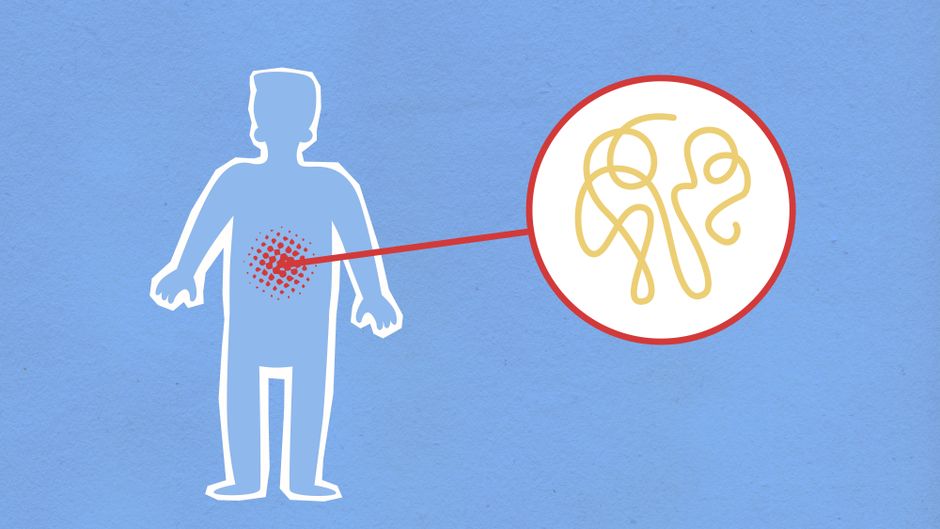
A bowel blockage — also called an intestinal obstruction — happens when something stops food or waste from moving through your digestive tract. It is a serious medical condition that requires prompt attention. The clearest signs include severe cramping pain in your abdomen that comes in waves, vomiting, and the inability to pass gas or have a bowel movement. If you have not had a bowel movement for more than three days and also feel bloated with sharp stomach pains, you should see a doctor right away.
What Are the First Warning Signs of a Bowel Blockage?
The earliest symptoms of a bowel blockage often come on suddenly. The most common first sign is intense cramping pain in your belly. This pain usually comes in waves. It may start around your navel and move toward the lower right side of your abdomen.
Vomiting is another early sign. At first you might throw up food you just ate. As the blockage continues the vomit may look greenish or brownish. That color change means bile or even stool is backing up into your stomach. The CDC reports that nausea and vomiting occur in about 80 percent of people with a small bowel obstruction.
You may also notice your belly looks swollen or feels hard to the touch. This is called abdominal distention. Your body is reacting to the buildup of gas and fluid behind the blockage point.
How To Tell If You Have a Bowel Blockage vs. Constipation
Many people confuse a bowel blockage with severe constipation. They are not the same thing. Constipation means you have fewer than three bowel movements per week. Your stool is hard and dry. But you can still pass gas.
With a bowel blockage you cannot pass gas at all. That is a key difference. If you are passing gas you almost certainly do not have a complete blockage. Research published in the American Journal of Gastroenterology found that the inability to pass gas or stool is the strongest single sign of an intestinal obstruction.
Here is a quick comparison of the two conditions:
| Symptom | Constipation | Bowel Blockage |
|---|---|---|
| Passing gas | Yes | No (complete blockage) |
| Pain pattern | Dull, constant ache | Sharp cramps in waves |
| Vomiting | Rare | Common |
| Belly swelling | Mild if any | Moderate to severe |
| Stool consistency | Hard, dry | None at all |
If you are unsure which you have, try the gas test. If you can pass gas within a few hours your digestive tract is likely still open. If you cannot and the pain worsens, go to the emergency room.
What Causes a Bowel Blockage in Adults?
In adults the most common cause of a small bowel blockage is scar tissue from previous abdominal surgery. The National Institute of Diabetes and Digestive and Kidney Diseases reports that about 60 percent of small bowel obstructions happen because of adhesions. These are bands of scar tissue that form inside the abdomen after surgery. They can twist or pinch the intestine.
Hernias are the second most common cause. Part of the intestine pushes through a weak spot in the abdominal wall. This traps the bowel and blocks it. In older adults, colorectal cancer is a leading cause of large bowel blockages. The tumor grows large enough to physically obstruct the colon.
Other causes include inflammatory bowel disease like Crohn’s disease. This condition causes the intestinal wall to thicken and narrow over time. Impacted stool — a hard mass of stool stuck in the colon — can also cause a blockage, especially in people who take opioid pain medications or have chronic constipation.





When Should You Go to the Emergency Room?
Do not wait to see if symptoms go away on their own. A bowel blockage does not resolve without medical treatment. If left untreated it can cut off blood supply to the intestine. That tissue can die within hours. This is called a strangulated obstruction and it is life-threatening.
Go to the ER immediately if you have any of these signs:
- Severe abdominal pain that does not stop or gets worse
- Vomiting that is green, brown, or smells like stool
- A hard, swollen belly that is painful to touch
- No bowel movement and no gas for more than 24 hours
- Fever along with belly pain
- Rapid heart rate or feeling dizzy and faint
Some people report that the pain changes from cramping to a constant sharp ache. That shift can mean the intestine is losing blood flow. Do not take pain medicine or eat anything before you go to the hospital. Both can interfere with diagnosis and treatment.
How Do Doctors Diagnose a Bowel Blockage?
When you arrive at the hospital the doctor will first press on your belly to feel for swelling and tenderness. They will listen with a stethoscope for bowel sounds. In a blockage the sounds may be very high-pitched at first. Later they may stop completely. That silence is a serious sign.
An abdominal X-ray is usually the first imaging test. It can show loops of intestine that are stretched with air and fluid. But X-rays miss some blockages. A CT scan is the most accurate test. Research shows CT scans detect bowel obstructions with more than 90 percent accuracy. The scan creates detailed cross-section images of your abdomen.
In some cases the doctor may order a barium enema. This involves putting a liquid contrast material into your colon through the rectum. It coats the inside of the colon and shows up on X-rays. This test helps locate the exact spot of a large bowel blockage. Blood tests are also done to check for signs of infection or dehydration.
What Are the Treatment Options for a Bowel Blockage?
Treatment depends on how severe the blockage is and where it is located. For a partial blockage — meaning some gas or fluid can still pass — doctors often try conservative management first. This means you stay in the hospital and get nothing by mouth. Fluids and electrolytes are given through an IV. A tube called a nasogastric tube may be placed through your nose into your stomach to suction out fluid and air. This relieves pressure and often allows the blockage to resolve on its own.
For a complete blockage or one that does not improve, surgery is usually needed. The surgeon makes an incision in your abdomen and removes the blockage. If scar tissue is the cause they cut the adhesions. If a section of intestine is damaged they remove that part and reconnect the healthy ends. In some cases a colostomy bag is needed temporarily while the intestine heals.
Some people are not good candidates for surgery. For them doctors may place a stent. A stent is a mesh tube inserted through a scope into the blocked area. It holds the intestine open so contents can pass. Stents are most often used for blockages caused by advanced cancer. This approach is not a cure but it can improve quality of life.
Common Misconceptions About Bowel Blockages
One widespread myth is that drinking lots of water or taking laxatives will fix a bowel blockage. Neither works and both can make things worse. Water cannot push past a physical obstruction. Laxatives cause the intestine to contract harder. If there is a blockage, that extra force can tear the intestinal wall.
Another false belief is that if you are still passing small amounts of stool you cannot have a blockage. This is not true. A partial blockage allows some stool to pass. But the blockage is still there and can become complete at any time. If you have pain, swelling, and only tiny amounts of stool or diarrhea, you need to be checked.
Some people think bowel blockages only happen in older adults. While age is a risk factor, blockages occur at any age. People who have had abdominal surgery, have Crohn’s disease, or have a family history of colon cancer are at higher risk regardless of age.
Frequently Asked Questions
Can you still poop with a bowel blockage?
With a partial blockage you may pass small amounts of stool or watery diarrhea. With a complete blockage you will not be able to pass stool or gas at all.
How long can you go without treatment for a bowel blockage?
A bowel blockage is a medical emergency. Without treatment the intestine can lose blood flow within six to twelve hours and tissue death can follow quickly after.
Will drinking water help a bowel blockage?
No. Drinking water will not push past a physical blockage. It can actually increase pressure behind the blockage and make vomiting and pain worse.
Can a bowel blockage go away on its own?
Some partial blockages resolve with hospital care like IV fluids and bowel rest. But a complete blockage will not go away without medical or surgical treatment.
