
Head lice are a common problem, especially for families with school-aged children. Getting rid of them takes patience and a careful, step-by-step approach. The most reliable method is to use a product designed to kill lice, followed by the painstaking task of removing the remaining eggs, called nits, from the hair shafts. No single method works overnight, and you must repeat the process to catch newly hatched lice.
What Is the Most Effective Way to Remove Lice?
Effective lice removal has two distinct parts: killing the live bugs and removing the nits. Most treatments target the live lice, but they often do not kill all the eggs. Because of this, you need a second treatment about 7 to 9 days later to kill any lice that have hatched since the first application.
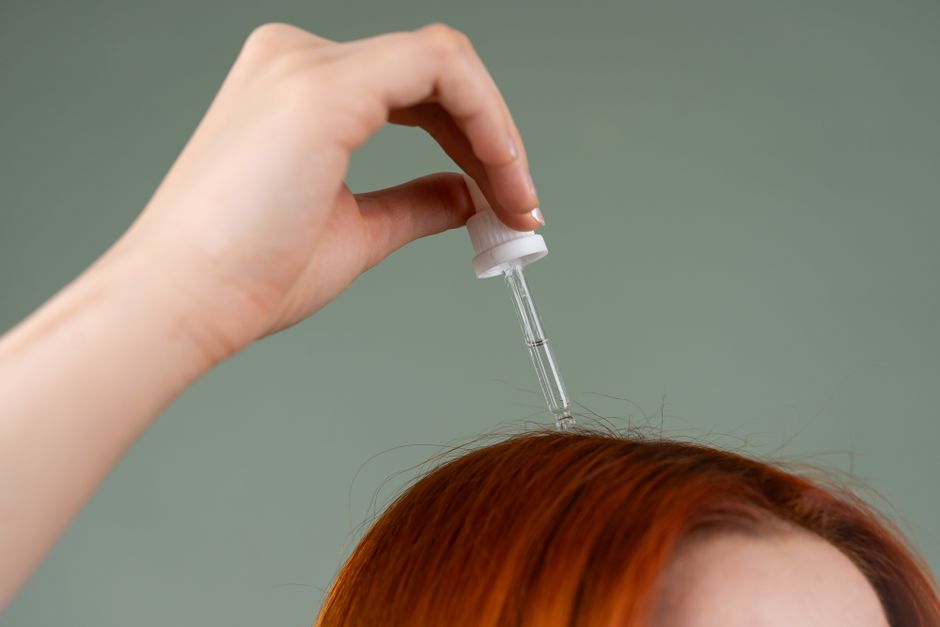
The process starts with a medicated shampoo, cream rinse, or lotion. You apply it according to the product’s instructions, which usually involves leaving it on for a set time before rinsing. After rinsing, you must use a special fine-toothed comb, often called a nit comb, to remove dead lice and nits from the hair.
Wet combing is a non-chemical alternative. This involves applying a generous amount of hair conditioner, then systematically combing through small sections of hair to remove lice and nits. Some research suggests this can be effective, but it requires patience and must be repeated every few days for at least two weeks.
How Do You Get Nits Out of Hair?
Nits are glued firmly to the hair shaft, making them difficult to remove. This is the most time-consuming part of the process. The goal is to physically pull each egg off the hair strand.
Work on damp hair in a well-lit area. Divide the hair into small, manageable sections, clipping the rest away. Using a nit comb, start at the scalp and comb out to the ends of the hair. After each stroke, wipe the comb on a paper towel to see what you have removed. You may need to do this several times per section.
Some people find it helpful to use a solution that loosens the glue that attaches nits to the hair. These products are not always necessary, but they can make the combing process easier. After combing, check the hair again for any missed nits. Removing every single nit is not always possible, but the goal is to remove as many as you can.
What Are the Different Treatment Options for Head Lice?
Several treatment options are available, and they work in different ways. The choice depends on factors like age, whether the person is pregnant or nursing, and whether there is resistance to certain chemicals in your area.
Over-the-counter (OTC) treatments usually contain either pyrethrin or permethrin. These are pyrethroid-based insecticides that have been used for many years. They are generally safe when used as directed, but lice in some regions have developed resistance to them, meaning they no longer work effectively.
Prescription treatments include stronger medications. One option is benzyl alcohol lotion, which works by suffocating the lice. Another is spinosad, a topical suspension that kills lice and some nits. Ivermectin lotion is another prescription option that is used by applying it to dry hair. These are typically used when OTC treatments have failed.
Some people turn to natural remedies like essential oils. The evidence for these is limited, and they are not regulated by the FDA in the same way as medical treatments. No large human trials have confirmed that essential oils are a reliable way to kill lice or nits.


How Do You Check for Head Lice?
An accurate diagnosis is the first step. Many people mistake dandruff, hair spray residue, or dirt for nits. Nits are small, oval-shaped eggs that are often yellow or white. They are glued to the hair shaft at an angle and are very hard to remove. Dandruff, on the other hand, flakes off easily.
The best way to check is to use a fine-toothed comb on wet hair. This is called a wet combing diagnostic test. Apply conditioner, then comb through the hair from the scalp to the ends. Look for live lice on the comb and in the conditioner. Finding a live louse confirms an active infestation.
Finding only nits does not always mean there are live lice. Nits can remain in the hair for weeks after the lice have been treated and killed. The presence of nits alone, especially far from the scalp, does not mean the person needs another treatment. You should only treat if you find a live louse.
How Do You Prevent Head Lice From Spreading?
Head lice do not jump or fly. They crawl. They spread through direct head-to-head contact, which is why they are so common among children who play closely together. Less commonly, they can spread through sharing personal items like combs, brushes, hats, and hair accessories.
Prevention focuses on reducing direct contact. You cannot completely prevent your child from coming into contact with another child’s head, but you can teach them not to share hats, helmets, combs, and brushes. It is also a good idea to check your child’s hair regularly, especially during the school year.
If someone in your household has lice, you do not need to do a massive cleaning of your home. Lice cannot survive for more than a couple of days off a human scalp, and nits need the warmth of the scalp to hatch. Washing bedding and clothing in hot water and drying on high heat is a reasonable precaution. Items that cannot be washed can be sealed in a plastic bag for two weeks. Vacuuming furniture and car seats is also a sensible step.
When Should You Treat Again?
Timing is critical. Most treatments kill live lice but not unhatched eggs. Eggs typically hatch in 7 to 10 days. If you treat once and do not follow up, you will likely see a new batch of lice within a week or two.
That is why a second treatment is essential. For pyrethrin-based products, the second treatment is usually recommended 7 to 10 days after the first. For permethrin, the second treatment is often recommended 9 to 10 days later. Always follow the instructions on the specific product you are using.
After the final treatment, continue to check the hair with a nit comb for two to three weeks to be sure no new lice have appeared. If you continue to find live lice after two properly timed treatments, you should see a healthcare provider. They may recommend a different prescription medication.
What Are the Common Mistakes People Make?
One of the most common mistakes is using a treatment on a person who does not have live lice. This exposes them to unnecessary chemicals. Another is using the treatment incorrectly, such as not leaving it on long enough or using it on wet hair when the instructions say dry hair.
Another frequent error is stopping too early. People get rid of the live lice they can see, but they miss the nits. When those nits hatch, the cycle starts over. It is also a mistake to rely only on the medicated shampoo and skip the combing. Combing is what physically removes the nits and prevents re-infestation.
Some people also make the mistake of using a lice treatment as a preventive measure. This is not recommended. Using these chemicals when there is no infestation can lead to resistance, making the treatment less effective when it is actually needed.
Frequently Asked Questions
Can you get rid of lice in one day?
You can kill the live lice in one day with a proper treatment, but you cannot remove all the nits that quickly. A second treatment is needed 7 to 10 days later to kill newly hatched lice.
Does vinegar kill lice and nits?
Vinegar does not reliably kill live lice. Some people use it to help loosen the glue that sticks nits to the hair, but it is not a proven treatment for an active infestation.
How long can lice live off the head?
Lice cannot survive for more than about 24 to 48 hours off a human scalp. Nits need the warmth of the scalp to hatch and will not survive long away from a host.
Do you have to wash all your bedding if you have lice?
Washing bedding and clothing in hot water and drying on high heat is a reasonable precaution. However, the main risk of spread is direct head-to-head contact, not bedding.
