
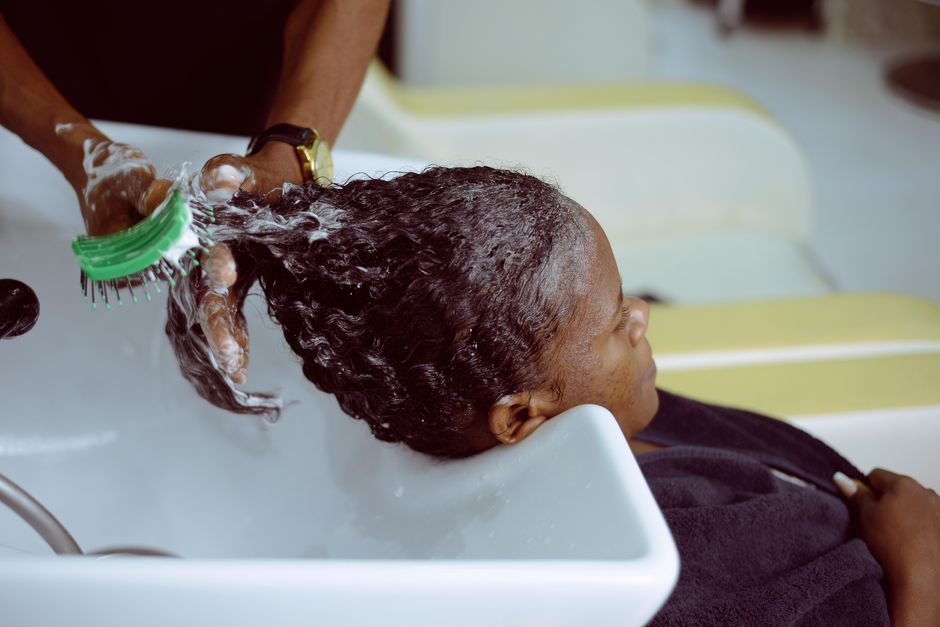
Head lice do not prefer clean hair over dirty hair, or vice versa. Lice are equal-opportunity pests. They care about one thing only: a warm human scalp with easy access to blood. Hair cleanliness has nothing to do with whether lice will move in. This is one of the most persistent myths in parenting and school health, and the evidence against it is clear.
What Do Head Lice Actually Need to Survive?
Head lice are tiny parasitic insects that feed exclusively on human blood. They need three things to live: a consistent food source, the right temperature, and shelter from the environment. Human scalps provide all three regardless of how often you wash your hair.
Lice have claws designed to grip human hair shafts. The shape and thickness of the hair strand matters more than cleanliness. Research published in the Journal of Medical Entomology has shown that lice can grip a wide range of hair types equally well. They do not have a preference for oily hair, dry hair, clean hair, or dirty hair.
What lice cannot do is survive away from the scalp for very long. The CDC reports that lice typically die within 24 hours off a human host. They also cannot jump or fly. They only move by crawling directly from one head to another. This means transmission is almost always head-to-head contact.
Where Did the Myth That Lice Prefer Clean Hair Come From?
The idea that lice like clean hair is widespread, but its origin is not scientific. It likely started as a social stigma. For decades, people associated lice with poor hygiene. When parents found lice on their children, they felt ashamed. Schools reinforced this by sending notes home that implied dirty hair attracted lice.
Some studies suggest that lice may actually have a slight preference for cleaner hair. A small study from the University of Cambridge found that lice were able to move faster through clean hair compared to hair with heavy product buildup. Faster movement means easier access to the scalp for feeding. But this was a laboratory observation, not a clinical recommendation.
Another theory is that lice find it easier to lay eggs, called nits, on clean hair strands. Oily or dirty hair might make it harder for the female louse to glue her eggs firmly to the shaft. But again, this is speculation based on limited research. The practical evidence from school nurses and pediatricians shows no correlation between hair washing frequency and lice infestations.
Does Do Head Lice Like Clean Hair Or Dirty? Truth from Recent Studies
The most direct research on this question comes from a 2019 study in the journal Pediatric Dermatology. Researchers surveyed over 1,000 families with children who had active lice infestations. They found no statistically significant difference in hair washing habits between children who got lice and those who did not.
The study also looked at socioeconomic status, ethnicity, and hair type. None of these factors predicted lice risk. The only consistent predictor was close contact with someone who already had lice. Sleepovers, shared combs, and hugging for photos were the real risk factors.
Another study from the Journal of Parasitology Research examined lice collected from children with varying hair hygiene levels. The lice in all groups were equally healthy, equally well-fed, and equally capable of reproducing. If dirty hair made lice sick or clean hair made them thrive, the data would have shown it. It did not.
The truth is simple: lice are not picky. They are parasites that evolved to survive on human scalps. Clean hair and dirty hair both work fine for them.



What Actually Increases Your Risk of Getting Head Lice?
If hair cleanliness does not matter, what does? The answer is proximity. Lice spread through direct head-to-head contact. This happens most often in settings where children play closely together.
- School and daycare – Children sit close together, share mats for nap time, and put their heads together over tablets or books.
- Sleepovers and camps – Sharing pillows, sleeping bags, or even the same bed allows lice to crawl from one head to another.
- Sports with shared helmets or headgear – Football helmets, wrestling headgear, and bike helmets can transfer lice if used back to back.
- Family members – Lice spread easily between siblings who share a bed or sit together on the couch.
Hair length matters more than cleanliness. Longer hair is more likely to touch another person’s hair during normal activities. But even short hair can pick up lice if contact is close enough.
Gender also plays a role, but only because of behavior. Girls tend to have more close physical contact with each other during play and socializing. Boys often keep more physical distance. This is a social pattern, not a biological one.
What Does Not Work for Preventing or Treating Lice
Because the clean hair myth is so persistent, many people try prevention methods that do not work. Knowing what to skip can save you time and money.
| Common Myth | Why It Does Not Work |
|---|---|
| Washing hair more often prevents lice | Lice grip hair shafts regardless of oil or dirt levels. Shampoo does not repel them. |
| Using tea tree or essential oils as a shield | Some oils have mild repellent effects in lab tests, but no real-world study shows they prevent infestation. |
| Keeping hair very short | Lice can still crawl onto short hair if the scalp touches an infested head. |
| Using hair dryers or flat irons to kill lice | Heat can kill lice, but only at temperatures that risk burning the scalp. Home use is not reliable. |
| Spraying household cleaners on furniture or bedding | Lice die within 24 hours off the scalp. Vacuuming and washing bedding in hot water is sufficient. |
The only thing that reliably kills lice is a properly applied treatment. Over-the-counter permethrin creams work for many cases, though resistance is growing in some regions. Prescription treatments like ivermectin lotion or spinosad are effective when OTC options fail.
Manual removal with a fine-toothed nit comb is still considered the gold standard by many dermatologists. It is time-consuming but does not rely on chemicals. Wet combing with conditioner every three to four days for two weeks can clear an infestation without any medication.
How to Actually Check for Lice Correctly
Most parents check for lice incorrectly. They look for adult lice crawling on the scalp. But adult lice move fast and avoid light. You are unlikely to spot them unless the infestation is heavy.
The correct method is to look for nits. Nits are lice eggs glued to the hair shaft, usually within a quarter inch of the scalp. They look like small white or yellowish ovals. They do not brush off easily like dandruff does. If you try to slide a nit down the hair strand, it will not move.
Use a fine-toothed metal nit comb on wet, conditioned hair. Section the hair and comb from the scalp outward. Wipe the comb on a white paper towel after each stroke. Look for tiny brown or tan specks, which are either lice or their droppings. Nits will appear as white or clear shells stuck to the hair.
The American Academy of Pediatrics recommends checking all family members if one person has lice. Treat only those who have active lice or nits. Treating everyone “just in case” exposes people to unnecessary chemicals and does not prevent anything.
Recheck every two to three days for at least two weeks after treatment. Nits that survive treatment can hatch and restart the cycle. Missing one check is often enough for a reinfestation to take hold.
Frequently Asked Questions
Frequently Asked Questions
Can head lice live on dirty hair better than clean hair?
No. Lice can survive equally well on clean and dirty hair. They only need a warm scalp and access to blood.
Does washing hair with vinegar kill head lice?
No. Vinegar may help loosen the glue that holds nits to hair, but it does not kill live lice.
How long can head lice live off the human head?
Lice typically die within 24 hours off the scalp. Nits can survive up to 10 days off the head if conditions are right.
Do head lice prefer certain hair types over others?
Research shows lice can grip any hair type. Hair thickness and texture do not significantly affect their ability to infest.
