
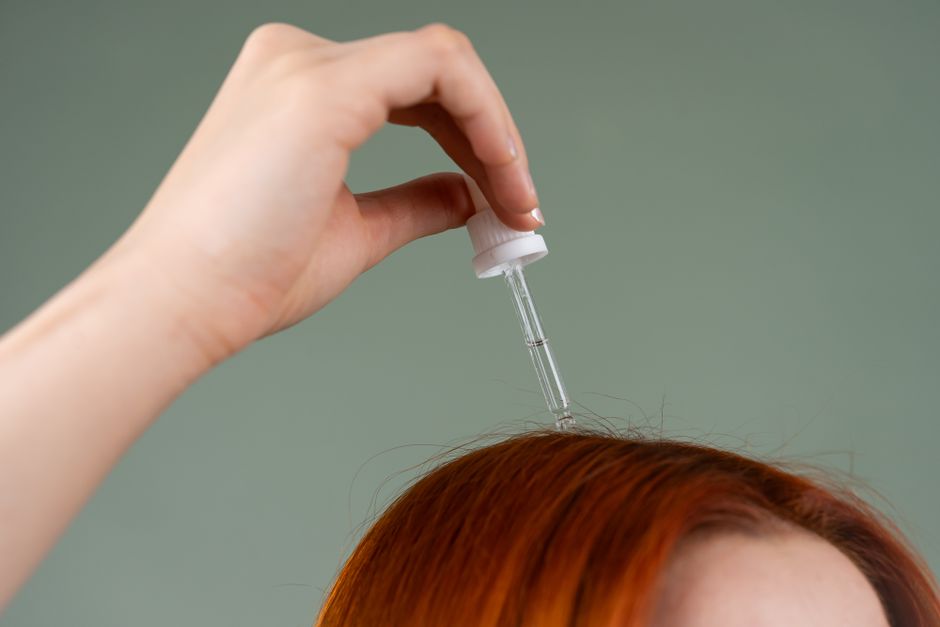
Head lice spread through direct head-to-head contact. That is the main way. They do not jump, they do not fly, and they do not live in your carpet waiting to attack. If you or your child has lice, it almost always means a head touched another head that already had lice. That is the whole story in one sentence — but there is a lot of misunderstanding around how this actually happens and what does not cause it.
How Do You Get Lice In Your Hair? Causes And Myths
Head lice (Pediculus humanus capitis) are wingless insects that live on the human scalp and feed on blood. They cannot fly or jump. They move by crawling, and they crawl from one head to another when hair strands touch.
This is why lice spread so easily among children. Kids put their heads together when they play, read, share secrets, or take group photos. The distance between two heads during those moments is often close enough for a louse to crawl across.
Adults get lice the same way. A parent hugging a child, a person sharing a bed, or two people leaning close together can pass a louse along. It requires proximity and hair-to-hair contact. Without that, transmission is unlikely.
What does not cause lice: poor hygiene, dirty hair, poverty, or a messy home. Lice are equal-opportunity parasites. They feed on blood regardless of how often you shampoo. In fact, some research suggests lice may prefer clean hair because it is easier to grip than oily hair. Cleanliness has nothing to do with whether you get them.
Can You Get Lice From Sharing Hats, Brushes, Or Pillows?
Sharing personal items can spread lice, but this is a much less common route than direct head contact. It is possible but far less likely.
When a louse leaves a scalp, it can survive away from a human host for a short time. It needs blood to survive and will die within a day or two without feeding. During that window, a louse that has crawled onto a hat, hairbrush, pillow, or headrest could theoretically crawl onto another person’s head.
The key word is theoretically. This route is possible but inefficient. Lice do not wander far from a scalp on their own. They are adapted to life on a human head, not on fabric or furniture.
Most public health guidance still recommends avoiding shared combs, brushes, hats, and pillows during an active infestation. This is reasonable caution, not a sign that these items are a major source of transmission. The evidence consistently points to direct head contact as the dominant route.
One practical note: the nits (lice eggs) are cemented to hair shafts near the scalp. They cannot fall off and hatch on a pillow. Only live lice move between heads. Nits found on a pillow or hat are almost always already dead or empty shells.
Do Lice Spread Through Schools, Sleepovers, And Sports?
Schools are a common setting for lice outbreaks, but not because of classrooms or desks. They are common because schools bring children together in close contact for hours each day.
The pattern is well documented. Lice spread most easily among children aged 3 to 11, and girls tend to get them more often than boys. This is likely because girls more frequently have longer hair and engage in more head-to-head contact during play.
Sleepovers are a high-risk setting. Children share beds, pillows, and close quarters. Sports activities that involve head contact, such as wrestling, can also spread lice. So can selfies — leaning heads together for a photo is exactly the kind of contact lice need.
What does not drive spread: classroom carpets, school buses, lockers, or swimming pools. Lice do not survive long in chlorinated water, and they do not cling to hard surfaces. Some schools send children home when lice are found, but many public health organizations now discourage this practice because it disrupts education without reducing transmission. By the time lice are discovered, the infestation has often been present for weeks.





How Common Are Head Lice In The US?
Head lice are common in the United States, especially among preschool and elementary school children. The CDC estimates that anywhere from 6 to 12 million infestations occur each year in children aged 3 to 11.
Lice are not a reportable disease, so exact numbers are not tracked. The true count could be higher or lower depending on the year and region. What is clear is that lice are not rare, and getting them is not a sign that something is wrong with you or your family.
Lice affect people across all income levels, ethnic backgrounds, and living situations. They are a nuisance, not a health hazard. Head lice do not carry disease in the United States. They cause itching and discomfort, but they are not dangerous.
What Are The Most Persistent Myths About Lice?
A lot of misinformation circulates about lice. Here are the myths that come up most often, and what the evidence actually shows.
- Myth: Lice jump from head to head. Lice cannot jump. They crawl. They need hair-to-hair contact to move from one person to another.
- Myth: Lice live in furniture and carpets. Lice need blood to survive. They die within a day or two off a human head. They do not infest homes the way fleas or bedbugs do.
- Myth: Only dirty hair gets lice. Hygiene has no effect on whether you get lice. Lice feed on blood, not dirt. Clean hair may actually be easier for lice to grip.
- Myth: Pets spread lice. Head lice are specific to humans. They do not live on dogs, cats, or other animals.
- Myth: You need to bag up all your belongings and fumigate your house. This is unnecessary. Washing items that touched the head in the past two days and vacuuming where the person sat is sufficient.
- Myth: Lice carry disease. In the United States, head lice do not transmit disease. They are a nuisance, not a public health threat.
- Myth: Nits mean an active infestation. Nits more than a quarter-inch from the scalp are usually already hatched or dead. Only nits close to the scalp suggest a recent infestation.
One myth worth addressing directly: some people believe lice are becoming resistant to over-the-counter treatments. This is not a myth. Research has documented resistance to permethrin-based products in many parts of the US. If an over-the-counter treatment does not work after two proper applications, resistance is a real possibility. A healthcare provider can recommend prescription options.
How Can You Reduce The Risk Of Getting Lice?
There is no guaranteed way to prevent lice, but you can lower the odds.
The most effective step is to avoid head-to-head contact with people who have lice. This is easier said than done with young children, but it helps to teach them not to touch heads during play. For adults, avoiding close head contact with someone who has an active infestation is the main preventive measure.
Avoid sharing items that touch the head — hats, brushes, hair accessories, pillows, and towels — especially during an outbreak. This is reasonable caution, though direct head contact remains the primary route.
If someone in your household has lice, check all family members. Treat only those who have live lice or viable nits close to the scalp. Treating everyone “just in case” is not recommended. It exposes people to unnecessary chemicals and does not prevent future infestations.
Wash bedding, clothing, and items that touched the infested person’s head in the past two days. Use hot water and dry on high heat. Items that cannot be washed can be sealed in a plastic bag for two weeks. This is longer than the lice can survive without a blood meal, so any lice or nits on those items will be dead.
Vacuuming furniture and car seats where the infested person sat is reasonable. Do not use insecticide sprays. They are not necessary and can be toxic if inhaled or absorbed.
Check children’s hair regularly during the school year, especially after sleepovers or camp. Early detection makes treatment easier.
What Should You Do If You Find Lice?
If you find live lice or viable nits, treatment is warranted. The two main approaches are over-the-counter products and prescription treatments.
Over-the-counter options include permethrin and pyrethrin products. These are applied to the hair and scalp, left on for the time specified on the label, and rinsed out. Most require a second application about a week later to kill any newly hatched lice. Follow the instructions exactly. Applying too little or rinsing too soon reduces effectiveness.
If over-the-counter treatment fails after two proper applications, see a healthcare provider. Prescription options include stronger topical medications and, in some cases, oral medications. These require a prescription and should be used under medical guidance.
Manual removal with a fine-toothed nit comb is also effective, especially for young children or when you prefer to avoid chemicals. Combing needs to be done every few days for at least two weeks to remove all lice and nits. It is time-consuming but works if done thoroughly.
Do not use gasoline, kerosene, or other harsh chemicals on the scalp. These are dangerous and have caused serious injuries. Do not use pet lice products on humans. They are not formulated for human use and can be toxic.
After treatment, check the scalp daily for two weeks. If you see new live lice, the treatment may not have worked. Resistance to over-the-counter products is a growing issue, so a follow-up with a healthcare provider is reasonable if lice persist.
Frequently Asked Questions
Can you get lice from a pillow or hat?
It is possible but uncommon. Lice can survive briefly on fabric, but they need a human host to survive long-term. Direct head-to-head contact is the main route.
Do lice jump or fly?
No. Lice cannot jump or fly. They crawl from one head to another when hair strands touch.
Can you get lice if your hair is clean?
Yes. Hair cleanliness has no effect on whether you get lice. Lice feed on blood, not dirt, and may actually grip clean hair more easily.
How long do lice live off the head?
A louse can survive away from a human head for about one to two days. It needs blood to survive and will die without feeding.
