
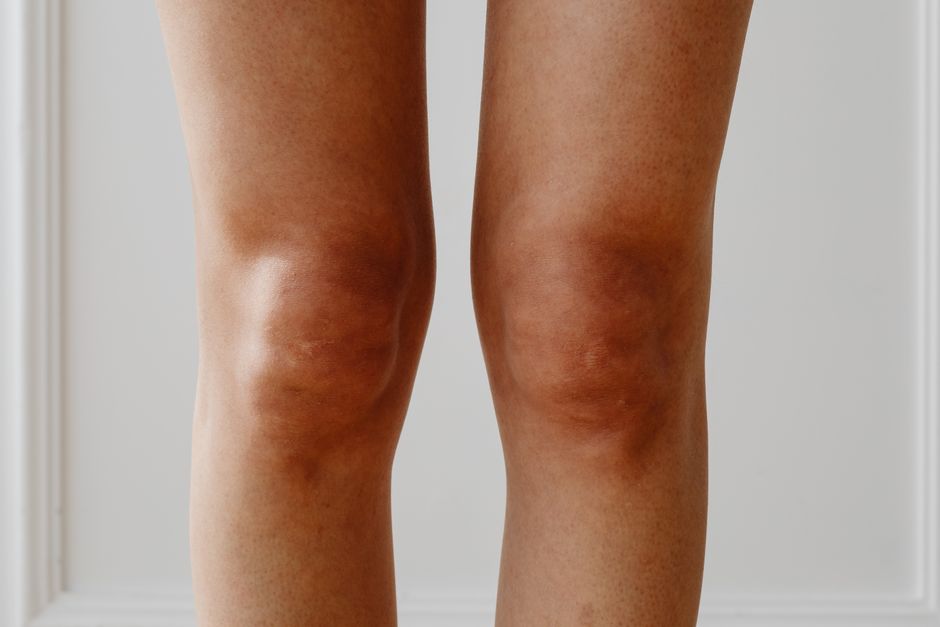
Your knees carry your body weight with every step, stair climb, and squat. They are complex joints that depend on surrounding muscles, ligaments, and cartilage working together. Taking care of your knees means strengthening the muscles that support them, moving in ways that reduce strain, and knowing when to rest. The best approach combines targeted exercises, smart daily habits, and honest attention to pain signals.
Why Do Knees Hurt As We Age?
Knee pain becomes more common after age 40. The cartilage that cushions the joint naturally thins over time. The muscles around the knee also lose strength and mass as we age, a condition called sarcopenia. When the thigh muscles weaken, the knee joint absorbs more force with every step.
This is not just wear and tear. It is a mechanical problem. Weak muscles mean the joint takes the punishment instead of the muscle. Strengthening those muscles is one of the most effective ways to protect the knee from further damage and reduce pain.
Inflammation also plays a role. Conditions like osteoarthritis involve low-grade inflammation in the joint. Managing body weight reduces the load on the knee. Each pound of body weight puts roughly four pounds of pressure on the knee joint during walking. That number increases during stairs and running.
What Are The Best Exercises For Knee Strength?
Strengthening the quadriceps, hamstrings, and glutes is the foundation of knee care. These muscles act as shock absorbers. When they are strong, they take force away from the joint itself.
Start with exercises that do not require deep knee bending. Deep squats and lunges can aggravate an already painful knee. Instead, focus on controlled movements through a comfortable range of motion.
- Straight leg raises: Lie on your back with one knee bent and the other leg straight. Lift the straight leg to the height of the opposite knee. Hold for two seconds and lower slowly. This strengthens the quadriceps without bending the knee.
- Wall sits: Slide your back down a wall until your thighs are parallel to the floor, or as far as comfortable. Hold for 20 to 30 seconds. This builds isometric strength in the quads without joint movement.
- Step-ups: Use a low step, about 4 to 6 inches high. Step up and down slowly, keeping your knee aligned with your toes. This mimics daily stair climbing and builds functional strength.
- Hamstring curls: Stand and hold onto a chair. Bend one knee, bringing your heel toward your buttock. Control the movement on the way down. This targets the back of the thigh.
- Clamshells: Lie on your side with knees bent at a 45-degree angle. Keeping your feet together, open your knees like a clam shell. This strengthens the hip abductors, which stabilize the knee.
Perform these exercises every other day. Two to three sessions per week is enough to build strength. Aim for two to three sets of 10 to 15 repetitions per exercise. Stop if you feel sharp pain. Mild muscle soreness is normal, but joint pain is not.
How Much Should You Exercise With Knee Pain?
Movement is generally good for knees, even when they hurt. Research consistently shows that exercise reduces knee pain and improves function in people with osteoarthritis. The key is finding the right dose.
Low-impact activities are the safest options. Walking, swimming, cycling, and using an elliptical machine place less stress on the knee than running or jumping. Start with short sessions of 10 to 15 minutes and gradually increase to 30 minutes most days of the week.
Pain during exercise should not exceed a mild level. A useful guideline is the two-hour rule. If your knee pain is worse two hours after exercise than it was before, you did too much. Scale back the duration or intensity next time.
Ice after exercise can help manage flare-ups. Apply an ice pack wrapped in a thin towel for 15 to 20 minutes. This reduces local inflammation and can ease post-exercise soreness.





What Daily Habits Protect Your Knees?
Daily habits matter as much as exercise. The way you move throughout the day either supports or stresses your knees.
Maintain a healthy weight. Excess weight is one of the strongest risk factors for knee osteoarthritis. Losing even 5 to 10 percent of body weight can significantly reduce knee pain. This is one of the most evidence-backed steps for knee health.
Wear supportive footwear. Shoes with good cushioning and arch support reduce the impact transmitted to your knees. Avoid flat, worn-out shoes for daily walking. If you stand for long periods at work, consider shoes with shock-absorbing soles.
Use your legs, not your back. When lifting objects, bend at the hips and knees rather than the waist. Keep the object close to your body. This distributes weight across the strong leg muscles instead of straining the knee joint.
Avoid prolonged kneeling. Kneeling puts direct pressure on the kneecap. Use a kneeling pad or a stool when gardening or cleaning. If your knees ache after kneeling, it is a sign to change position more often.
Take breaks from sitting. Sitting for long periods stiffens the knee joint. Stand up and walk for a few minutes every hour. This keeps the joint lubricated and the muscles active.
When Should You See A Doctor For Knee Pain?
Not all knee pain requires medical attention. Mild soreness after increased activity often resolves with rest and ice. But some symptoms warrant a professional evaluation.
See a doctor if you experience any of the following:
- Swelling that lasts more than a few days
- Inability to bear weight on the leg
- Locking or catching sensations in the joint
- Instability, or the feeling that the knee will give out
- Pain that interferes with sleep or daily activities
- Redness or warmth around the joint, which can indicate infection
A doctor can determine whether your pain comes from osteoarthritis, a meniscus tear, ligament injury, or another condition. Imaging such as X-rays or MRI may be needed to make an accurate diagnosis. Treatment depends on the underlying cause.
Physical therapy is often recommended for knee pain. A physical therapist can assess your specific muscle imbalances and design a program tailored to your needs. This is more effective than generic exercise advice for many people.
Are Knee Braces And Supports Helpful?
Knee braces and sleeves are common, but their effectiveness depends on the condition. A simple neoprene sleeve provides compression and warmth. Some people find this improves proprioception, the body’s sense of joint position, which can reduce pain.
For osteoarthritis, an unloading brace may help shift weight away from the damaged part of the joint. However, the evidence for these braces is mixed. Some studies show benefit, while others show minimal difference compared to no brace.
Knee braces are not a substitute for strengthening exercises. They may provide temporary support, but they do not address the underlying muscle weakness that contributes to knee problems. Use them as a tool, not a solution.
No clinical evidence currently confirms that any specific brace prevents knee injuries in healthy people. If you have a diagnosed condition, ask your doctor whether a brace is appropriate for your situation.
What About Supplements For Knee Health?
Glucosamine and chondroitin are the most popular supplements for knee pain. The research on these supplements is mixed. Some studies suggest modest pain relief, while others show no benefit over placebo. The largest clinical trial found no significant difference for most participants.
Omega-3 fatty acids, found in fish oil, have anti-inflammatory properties. Some research suggests they may help with joint pain, but the evidence is not strong enough for a firm recommendation.
Vitamin D is important for bone health, but supplementation only helps if you are deficient. Most people get enough vitamin D from sun exposure and diet. A blood test can determine your levels.
The honest position is that no supplement has been proven to rebuild cartilage or reverse osteoarthritis. Marketing claims that suggest otherwise are not supported by evidence. If you choose to try supplements, discuss them with your doctor first, especially if you take other medications.
Frequently Asked Questions
How often should I do knee exercises?
Two to three times per week is sufficient for building knee strength. Allow at least one day of rest between strength sessions.
Is walking good for knee pain?
Yes, walking is generally safe and beneficial for mild to moderate knee pain. Start with short distances and gradually increase as your knee tolerates it.
Can I run with knee pain?
Running with acute knee pain is not recommended. Wait until the pain resolves, then return gradually with a focus on proper form and supportive shoes.
Do squats damage your knees?
Squats do not damage healthy knees when performed with proper form. If you have existing knee problems, use a shallow range of motion and keep your knees aligned with your toes.
