
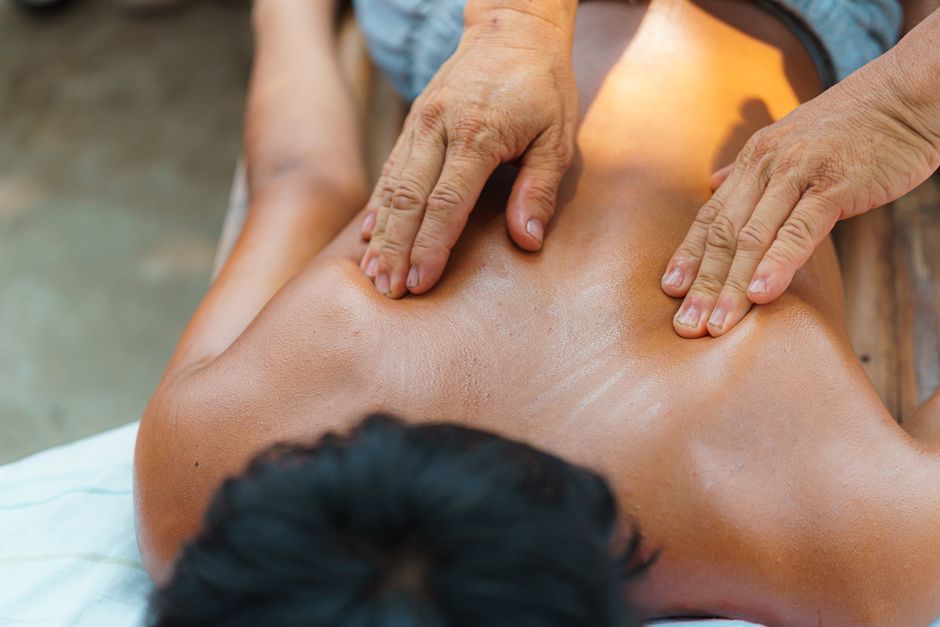
Back acne is not a different disease from facial acne; it is the same condition appearing on a different part of the body. The root causes are the same: hormones, excess oil, dead skin cells, and bacteria. Sweat does not cause acne by itself, but it can make the other causes worse. When sweat mixes with oil and dead skin on your back, it can trap them in your pores. The back also has more sebaceous glands per square inch than your face, which is why breakouts there can be so stubborn.
What Causes Back Acne Hormones Sweat More? Root Causes
Hormones tell your skin to produce oil. Androgens, which are male sex hormones present in both men and women, drive this process. When your hormone levels shift, your oil glands can go into overdrive. This is why breakouts often appear during puberty, menstrual cycles, pregnancy, and times of high stress.
Sweat plays a supporting role. Sweat itself does not clog pores. But when sweat evaporates, it leaves behind salt and minerals. Those residues can mix with the natural oil on your skin. If you do not shower soon after heavy sweating, that mixture sits on your skin and increases the chance of clogged pores. Friction from tight clothing or backpack straps adds to the problem by irritating the skin and pushing debris into follicles.
The back is a unique environment. It has large pores and a high density of oil glands. It is also covered by clothing most of the day, which traps heat and moisture. That combination makes the back especially vulnerable to the effects of hormones and sweat.
How Hormones Actually Trigger Back Breakouts
Your oil glands have receptors for androgens. When androgens bind to these receptors, the glands produce more sebum. Sebum is the waxy oil that protects your skin. In normal amounts, it keeps skin healthy. When production spikes, the excess oil mixes with dead skin cells and can plug a hair follicle.
Once a follicle is plugged, bacteria that normally live on your skin can multiply inside it. The bacteria feed on the trapped oil. Your immune system responds with inflammation. That inflammation is what turns a clogged pore into a red, painful pimple.
This process is identical on your face and your back. The only difference is location. Because back skin is thicker and has larger pores, the breakouts can be deeper and more cystic. These deeper lesions are more likely to leave scars.
Cortisol, the stress hormone, can also influence breakouts. Chronic stress raises cortisol levels, which can prompt your oil glands to produce more sebum. Some research suggests that stress does not cause acne, but it can make existing acne worse. The mechanism is not fully understood, but the connection between stress and flare-ups is widely reported by dermatologists.
Why Sweat Makes Back Acne Worse
Sweat is not the enemy. It is a normal, healthy bodily function. The problem is what happens when sweat sits on your skin for too long.
Your back is covered by shirts, sports bras, and backpack straps. These trap sweat against the skin. The trapped moisture softens the outer layer of skin, which makes it easier for oil and dead cells to get pushed into pores. Friction from the same clothing can irritate already-inflamed follicles.
Post-workout hygiene is the most practical way to reduce this problem. Showering soon after a workout removes sweat, oil, and dead skin before they can settle into pores. If you cannot shower immediately, changing out of damp clothing is better than staying in it. Some dermatologists recommend using a clean towel to pat your back dry after exercise if a shower is not available.
One important clarification: sweat does not cause acne on its own. People who sweat heavily do not necessarily get back acne. The acne develops when sweat, oil, and dead skin combine in an environment that does not allow them to be washed away. That is why the back is more affected than areas like the forehead, which are exposed to air and easily washed.




Other Causes Beyond Hormones and Sweat
Hormones and sweat are the main triggers, but they are not the only ones. Genetics play a role. If your parents had acne, you are more likely to have it too. This is because the size of your oil glands and how your skin responds to hormones are inherited traits.
Certain hair and skin care products can clog pores. Shampoos, conditioners, and body washes can leave residue on your back if not rinsed thoroughly. Look for products labeled “non-comedogenic,” which means they are formulated to not clog pores. However, this label is not a guarantee. Everyone’s skin reacts differently.
Some medications can trigger breakouts. Lithium, corticosteroids, and some seizure medications are known to cause acne-like eruptions. If you started a new medication and noticed back breakouts, talk to your prescribing doctor. Do not stop the medication on your own.
Diet is a debated topic. The evidence is mixed. Some studies suggest that high-glycemic foods and dairy may worsen acne in some people, but the research is not conclusive. No specific diet has been proven to cure back acne. If you suspect a food triggers your breakouts, you can track your intake and skin condition together to look for patterns. But do not expect dietary changes alone to clear your back.
How to Treat Back Acne at Home
Over-the-counter treatments can be effective for mild to moderate back acne. The key is consistency. Back skin is thicker than facial skin, so products need time to work. Give any treatment at least 8 to 12 weeks before judging whether it helps.
Benzoyl peroxide is a common first-line treatment. It kills bacteria and helps clear pores. It is available in washes and leave-on gels. A 5% or 10% body wash left on the skin for a few minutes before rinsing can be effective. Be aware that benzoyl peroxide can bleach clothing and towels, so rinse thoroughly and use white towels.
Salicylic acid is another option. It helps loosen dead skin cells so they can be washed away. It is less irritating than benzoyl peroxide for some people. Body washes and sprays containing salicylic acid are widely available.
Adapalene is a retinoid that was once prescription-only and is now available over the counter. It works by normalizing how skin cells shed and by reducing inflammation. It can be very effective, but it can also cause dryness and irritation when you start. Use it sparingly at first and always wear sunscreen, as retinoids increase sun sensitivity.
If you use multiple products, do not layer them all at once. Introduce one product at a time. Using too many active ingredients can damage your skin barrier and make the acne worse.
When to See a Dermatologist
At-home treatment is not enough for everyone. See a dermatologist if your back acne is painful, deep, or scarring. You should also see one if over-the-counter products have not helped after three months of consistent use.
A dermatologist can prescribe stronger treatments. These may include topical antibiotics, oral antibiotics, or prescription-strength retinoids. For severe cases, especially in women, hormonal therapies like spironolactone or oral contraceptives may be considered. Isotretinoin, a powerful oral retinoid, is reserved for severe cystic acne that has not responded to other treatments. It requires careful monitoring because of its side effects.
Do not pick or squeeze back acne. The lesions on the back are often deeper than they appear. Picking can push bacteria deeper into the skin, increase inflammation, and lead to permanent scarring. If you have a lesion that needs drainage, let a professional do it.
Preventing Back Acne: What Actually Works
Prevention is easier than treatment. The most effective steps are simple and evidence-based.
- Shower soon after sweating. Do not let sweat and oil sit on your skin for extended periods.
- Use a gentle cleanser. Harsh scrubbing can irritate skin and worsen breakouts.
- Wear loose, breathable clothing during workouts. Tight synthetic fabrics trap heat and moisture.
- Change out of workout clothes promptly. Do not sit in them after the gym.
- Wash your sheets and pillowcases regularly. Your back touches your sheets all night.
- Use non-comedogenic body products. Rinse shampoo and conditioner off your back thoroughly.
These steps do not guarantee clear skin. If you are prone to acne, you may still get breakouts. But these habits reduce the environmental factors that make acne worse.
Frequently Asked Questions
Is back acne caused by poor hygiene?
No. Back acne is primarily caused by hormones, oil production, and clogged pores. Poor hygiene can make it worse, but washing more frequently will not cure acne that is driven by hormones.
Does sweating cause back acne?
Sweat alone does not cause acne. But sweat mixed with oil and dead skin can clog pores, especially when it is trapped against the skin by clothing. Showering soon after sweating reduces this risk.
Can back acne be hormonal in men?
Yes. Men produce androgens, which drive oil production, so hormonal back acne is common in men. Fluctuations in testosterone can trigger breakouts at any age.
How long does it take for back acne treatments to work?
Most acne treatments need 8 to 12 weeks of consistent use before results are visible. If there is no improvement after three months, see a dermatologist for stronger options.
