
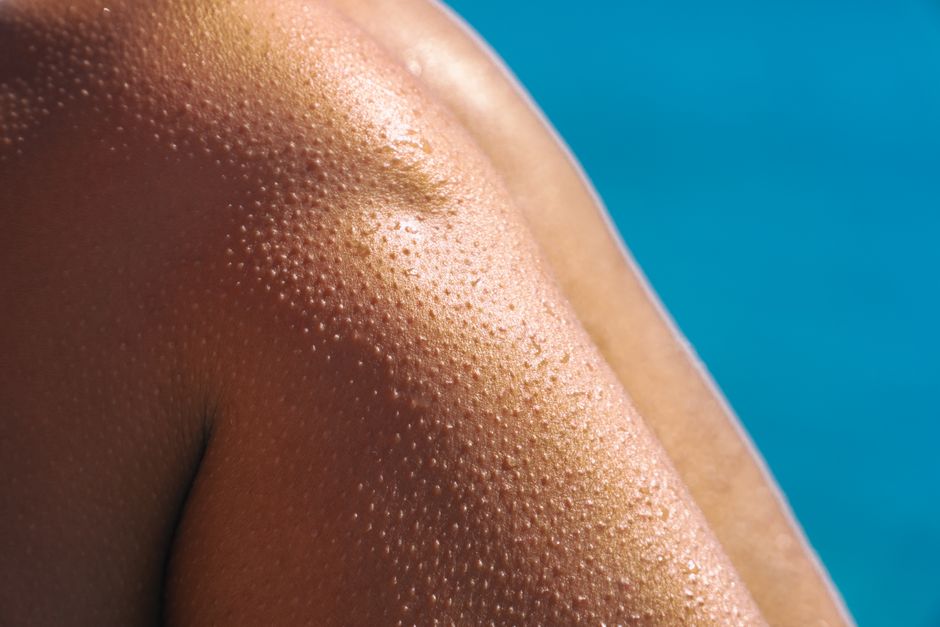
When you gently pinch the skin on the back of your hand and release it, the skin should snap back into place almost instantly. When it doesn’t, and the skin stays tented for a few seconds before slowly settling, that is reduced skin turgor. This simple physical sign tells you something about your body’s hydration levels, your age, and the overall health of your skin’s structural proteins. While a slow bounce-back is often a harmless sign of aging or mild dehydration, it can occasionally point to a more serious underlying medical condition that deserves attention.
What Does It Mean When Your Skin Doesnt Bounce Back?
Skin turgor is the skin’s ability to change shape and return to its original form. The medical test for this is simple: pinch a fold of skin, usually on the abdomen, forearm, or the back of the hand, hold it for a second, and release. Well-hydrated, healthy skin returns to normal immediately. If the skin stays raised or “tents” for several seconds, your skin turgor is low.
This happens because the skin’s elasticity depends on two main factors: water content and structural proteins. The middle layer of your skin, the dermis, is about 75% water. When you are dehydrated, that water is drawn out, and the skin loses its stretch. The structural proteins, collagen and elastin, provide the skin’s framework. When these proteins break down with age or sun damage, the skin loses its mechanical ability to snap back.
In most healthy adults, a slow bounce-back is simply a sign that you need to drink more water. However, in older adults or people with chronic conditions, it can be a marker of significant dehydration that requires medical treatment.
What Causes Skin to Lose Its Elasticity?
The most common cause of reduced skin turgor is age. As you get older, your body produces less collagen and elastin. The existing fibers become cross-linked and less flexible. This is a normal biological process, not a disease. By age 60, most people will notice that their skin takes noticeably longer to return to place after being pinched.
Sun exposure is the second major cause. Ultraviolet radiation breaks down collagen and elastin fibers in a process called photoaging. This damage is cumulative. The skin on the back of your hands and forearms, areas frequently exposed to the sun, often shows reduced turgor earlier than skin that is usually covered.
Sudden weight loss can also affect skin bounce-back. When you lose a significant amount of weight quickly, the skin may not shrink as fast as the fat underneath it. This leaves excess skin that appears loose and returns to place slowly after being pinched.
How Dehydration Affects Skin Turgor
Dehydration is the most reversible cause of reduced skin turgor. Your body prioritizes water for vital organs like the brain, heart, and kidneys. When fluid levels drop, the skin is one of the first places the body pulls water from. This leaves the dermis thinner and less springy.
Mild dehydration may not cause visible changes in skin turgor. Moderate to severe dehydration usually does. Other signs of dehydration include a dry mouth, sunken eyes, dark urine, dizziness, and decreased urine output. If you have these symptoms along with slow skin bounce-back, you likely need to increase your fluid intake.
In older adults, dehydration is a serious concern. The skin becomes thinner with age, and the body’s thirst mechanism becomes less reliable. An older person can become significantly dehydrated without feeling thirsty. Caregivers should pay attention to skin turgor as one indicator of hydration status, but it should not be the only one.




When Is Slow Skin Bounce-Back a Medical Concern?
Reduced skin turgor becomes a medical concern when it is severe, sudden, or accompanied by other symptoms. In these cases, it can indicate an underlying condition that needs evaluation.
Severe dehydration from vomiting, diarrhea, or fever can cause dramatic changes in skin turgor. This is especially dangerous in infants and young children. If a child’s skin stays tented after a pinch, this is a medical emergency. It indicates the child has lost enough fluid to compromise organ function.
Certain medical conditions can also affect skin elasticity. Scleroderma is a rare autoimmune disease that causes hardening and tightening of the skin. Ehlers-Danlos syndromes are a group of inherited disorders that affect connective tissue and can cause unusually stretchy skin. These conditions are diagnosed by specialists and are not something you can diagnose yourself.
Malnutrition and severe protein deficiency can reduce skin turgor because the body lacks the building blocks needed to maintain skin structure. This is more common in developing countries but can occur in the US in people with eating disorders, severe digestive conditions, or very restrictive diets.
How Is Skin Turgor Tested and Measured?
Doctors use skin turgor as a quick clinical sign, not a precise measurement. There is no standard numerical scale. The test is subjective and depends on the examiner’s experience.
The most reliable places to test skin turgor are the abdomen, chest, and inner thigh. These areas have less sun damage and thinner skin, making the test more accurate. The back of the hand is commonly used but is less reliable because the skin there is naturally thinner and more sun-damaged.
In older adults, skin turgor testing becomes less useful. Age-related loss of elasticity can cause slow bounce-back even when the person is well-hydrated. Doctors may rely more on other signs like blood pressure, heart rate, and urine output to assess hydration in this population.
There is also a newer device called a skin turgor meter that measures the skin’s ability to return to shape after suction or pressure. These devices are used in research settings, not routine clinical practice.
Can You Improve Your Skin’s Bounce-Back?
If your slow skin bounce-back is caused by dehydration, rehydration will improve it. Drinking water is the most effective approach. For most healthy adults, drinking when you are thirsty and consuming fluids with meals is sufficient. During hot weather or intense exercise, you may need more.
For age-related loss of elasticity, the options are more limited. No cream, serum, or supplement has been proven to restore collagen and elastin fibers that have already broken down. Some research suggests that topical retinoids may stimulate new collagen production, but the effect is modest. Sun protection is the most effective way to prevent further damage.
Lifestyle factors play a role. Smoking accelerates collagen breakdown and reduces blood flow to the skin. Quitting smoking can slow the rate of skin aging. A diet adequate in protein provides the amino acids your body needs to maintain skin structure. Severe calorie restriction can worsen skin turgor.
Be cautious about products that claim to “restore elasticity” or “replenish collagen.” The collagen molecules in creams are too large to penetrate the skin barrier. Injectable fillers and procedures like microneedling can improve skin texture, but these are cosmetic treatments with their own risks, not cures for reduced turgor.
When Should You See a Doctor?
See a doctor if you have slow skin bounce-back along with other concerning symptoms. These include confusion, rapid heart rate, fainting, or inability to keep fluids down. These can indicate severe dehydration that requires intravenous fluids.
If your skin turgor has changed suddenly without an obvious cause like illness or heat exposure, get it checked. A sudden change in skin elasticity can sometimes signal an underlying medical problem that needs diagnosis.
For routine age-related changes in skin turgor, you do not need to see a doctor. This is a normal part of aging. However, it is worth mentioning at your next annual physical, especially if you are over 65 or have a chronic condition like diabetes or kidney disease that affects hydration.
Frequently Asked Questions
How long should skin take to bounce back after a pinch?
Healthy, well-hydrated skin snaps back immediately. If the skin stays tented for more than two seconds, that is reduced skin turgor.
Can drinking more water improve skin elasticity?
Yes, if your slow bounce-back is caused by dehydration, rehydration will restore normal skin turgor. It will not reverse age-related loss of elasticity.
Is reduced skin turgor a sign of aging?
Yes, it is a normal part of aging. Collagen and elastin production naturally decline over time, and sun exposure accelerates this process.
What does skin turgor indicate in elderly people?
In older adults, skin turgor is a less reliable hydration test because age-related elasticity loss mimics dehydration. It should be combined with other signs like urine output and blood pressure.
