
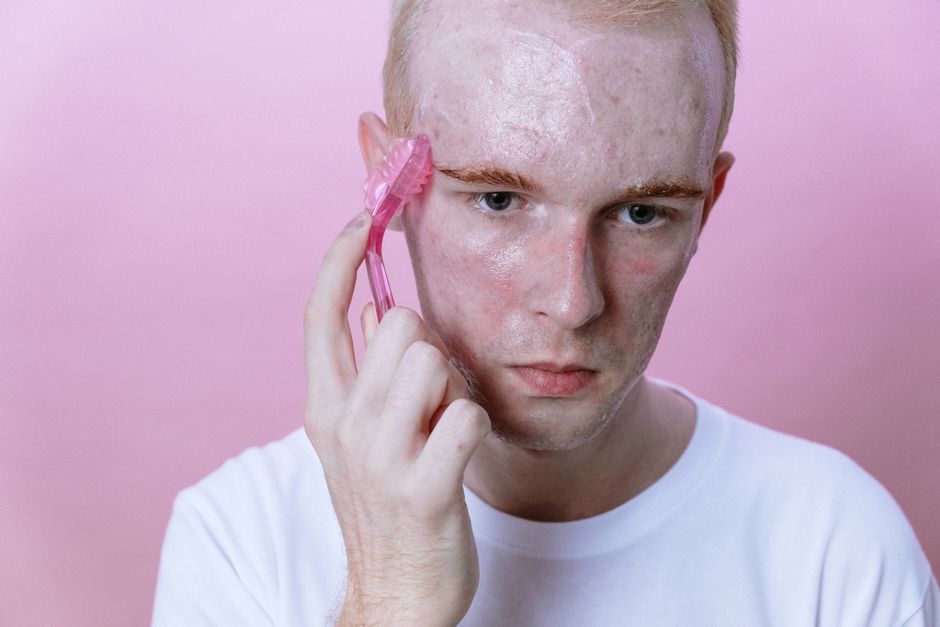
Yes, models have acne. The flawless skin you see in magazines, ads, and on runways is largely the result of professional makeup, strategic lighting, and digital retouching. Acne is a common skin condition that does not discriminate based on profession, and the modeling industry simply has the resources and technology to hide its presence.
Why Does Model Skin Look So Perfect in Photos?
The image you see in a final photograph is not what the camera captured. It is a heavily processed product. Professional photographers and editors use software to smooth skin texture, remove blemishes, and even out skin tone. This is standard practice across the industry, from high-fashion editorials to commercial catalogs.
Beyond digital editing, the physical environment on set is controlled. Lighting is positioned to minimize shadows and glare, which naturally hides skin imperfections. Makeup artists apply high-definition foundations and concealers designed specifically to create a poreless, matte finish under bright lights. The result is a manufactured image, not a natural one.
Are Models More Prone to Acne Because of Their Job?
Certain aspects of a model’s job can actually trigger or worsen breakouts. Heavy makeup worn for long hours can clog pores. The skin is also exposed to harsh studio lights and frequent changes in environment, which can cause irritation. Travel and irregular schedules disrupt sleep and eating patterns, both of which can influence hormone levels and skin health.
However, this does not mean every model has acne. Genetics play a significant role in who gets breakouts and who does not. Some people are simply less prone to clogged pores and inflammation. For those who are prone, the job can make management more difficult, but it does not cause the underlying condition.
What Actually Causes Acne?
Acne develops when hair follicles become plugged with oil and dead skin cells. The skin naturally produces sebum, an oily substance that protects it. When too much sebum combines with dead skin cells, it blocks the pore. Bacteria that normally live on the skin can then multiply inside the blocked follicle, causing inflammation and a pimple.
Hormones are the primary driver of this process. Androgens, which increase during puberty, cause the sebaceous glands to enlarge and produce more sebum. Hormonal fluctuations during the menstrual cycle, pregnancy, and times of stress can also trigger breakouts. Diet may play a role for some people, but the evidence is not strong enough to recommend a specific acne-clearing diet for everyone.
Contrary to popular belief, acne is not caused by poor hygiene. Washing your face too aggressively or too often can strip the skin of its natural oils, which may actually worsen the problem by irritating the skin and increasing oil production.



Do Models Have Acne The Reality Behind Flawless Skin: The Retouching Truth
The phrase “flawless skin” is a marketing term, not a medical one. No one has perfectly smooth, poreless, uniformly colored skin in real life. Even people with clear skin have visible pores, fine lines, and slight color variations. The expectation of perfection is an illusion created by the beauty industry.
Retouching is so widespread that some countries have passed laws requiring advertisers to disclose when images have been digitally altered. This is a recognition that unrealistic beauty standards can harm public health, contributing to body image issues and unhealthy behaviors. When you see a model’s face on a billboard, you are looking at a digital painting based on a real person.
How Do Models Manage Breakouts When They Happen?
When a model gets a breakout before a shoot, the priority is to minimize its appearance on camera. Makeup artists are skilled at concealing blemishes without making them look worse under lights. They use color-correcting products and precise application techniques to neutralize redness and flatten the appearance of raised bumps.
For long-term management, many models work with dermatologists to find a routine that works for their specific skin type. This often includes prescription treatments like retinoids or topical antibiotics, which are proven to treat acne. Over-the-counter products containing benzoyl peroxide or salicylic acid are also common first-line options.
It is important to note that what works for one person may not work for another. Acne treatment is highly individualized. A product that clears one model’s skin might cause irritation or breakouts in someone else. There is no universal “model secret” for clear skin.
Is the Skincare Industry Selling You a False Promise?
The skincare market is full of products claiming to deliver the same flawless results you see in photos. No topical cream, serum, or device can replicate the effects of digital retouching. A product can improve skin health, reduce inflammation, and prevent future breakouts, but it cannot remove every imperfection.
Some viral skincare trends are not backed by solid evidence. For example, “skin cycling” and various multi-step routines are popular on social media, but they are not based on rigorous clinical trials. The evidence for many high-priced ingredients is also limited. Vitamin C, retinol, and sunscreen have strong support for their benefits. Many other trendy ingredients do not have the same level of scientific backing.
Be cautious of any product that promises immediate, dramatic results. Healthy skin changes slowly. It takes weeks or months of consistent care to see visible improvement. If a claim sounds too good to be true, it likely is.
What Actually Helps Reduce Acne?
Dermatologists agree on a few core principles for managing acne. A gentle cleansing routine is the foundation. Wash your face twice a day with a mild cleanser and lukewarm water. Avoid scrubbing, which irritates the skin.
Non-comedogenic moisturizers and sunscreens are recommended because they hydrate and protect without clogging pores. Sunscreen is especially important because some acne treatments increase sun sensitivity.
- Benzoyl peroxide kills bacteria and helps clear blocked pores.
- Salicylic acid helps unclog pores by breaking down dead skin cells.
- Retinoids (like adapalene or prescription tretinoin) promote cell turnover and prevent clogged pores.
- Topical antibiotics (prescription) reduce bacteria and inflammation.
For severe or persistent acne, a dermatologist may recommend oral medications, including antibiotics, hormonal therapies like spironolactone, or isotretinoin. These treatments are effective but require medical supervision due to potential side effects.
If over-the-counter products have not improved your skin after several weeks, see a dermatologist. Early treatment prevents scarring and reduces the emotional toll of living with acne. A doctor can prescribe treatments that are far stronger and more targeted than anything available without a prescription.
Frequently Asked Questions
Do models really have acne in real life?
Yes, models get acne just like anyone else. Their photos are digitally edited to remove blemishes, so the final image does not reflect their natural skin.
Why does my skin not look like a model’s even with makeup?
Professional makeup application, high-quality products, and controlled lighting create a look that is difficult to replicate at home. The photo is also heavily retouched after the shoot.
Can I get clear skin like a model by using their skincare products?
No specific product line can guarantee clear skin. Acne treatment is individual, and what works for one person may not work for you. A dermatologist can help you find an effective routine.
Is digital retouching the only reason model skin looks perfect?
Retouching is the main reason, but professional makeup and lighting also play a major role. The combination of these techniques creates the flawless image you see.
