
Taking birth control pills correctly comes down to two things: taking one pill every day and taking it at roughly the same time each day. For combination pills, you have a 12-hour window before the pill loses effectiveness. For progestin-only pills, that window shrinks to just 3 hours. The exact timing rules depend on which type of pill you have, so knowing your pill type matters before you set any alarms.
What Are The Two Main Types Of Birth Control Pills?
Birth control pills fall into two categories, and the timing rules differ between them. Combination pills contain both estrogen and progestin. Progestin-only pills, sometimes called the minipill, contain only progestin.
Combination pills are the most common. They come in 21-day packs, 24-day packs, and 28-day packs. The 28-day packs include 7 placebo pills with no hormones. The 21-day and 24-day packs have shorter hormone-free intervals.
Progestin-only pills come in 28-day packs where every pill contains hormone. There are no placebo pills. This matters because you must take a progestin-only pill every single day without any break.
Check your pill pack label if you are unsure which type you have. Your prescription label or the package insert will say. If you still cannot tell, ask your pharmacist before starting.
What Time Of Day Should You Take Birth Control Pills?
Pick a time you will see every day. Morning routines work well for many people. Others prefer bedtime. The specific hour matters less than the consistency.
For combination pills, you have a 12-hour window. If you normally take your pill at 8 a.m., you can take it any time before 8 p.m. without needing backup contraception. Taking it later than that means you missed the pill.
For progestin-only pills, the window is only 3 hours. If you normally take it at 8 a.m., you must take it before 11 a.m. Missing that window requires backup contraception for 48 hours.
Choose a time linked to an existing habit. Brushing your teeth, making coffee, or locking the front door can serve as your trigger. This reduces the chance of forgetting.
How To Take Birth Control Pills Timing And Tips For Starting
You can start most birth control pills on the first day of your period. This gives immediate pregnancy protection. You can also start on the first Sunday after your period begins, but you need backup contraception for the first 7 days.
Some clinicians recommend starting on the day you receive the prescription regardless of where you are in your cycle. This is called a “quick start.” You may need backup contraception for the first 7 days depending on when you start.
Take the first pill from the pack marked for day one. Follow the arrows on the blister pack. Do not skip around in the pack.
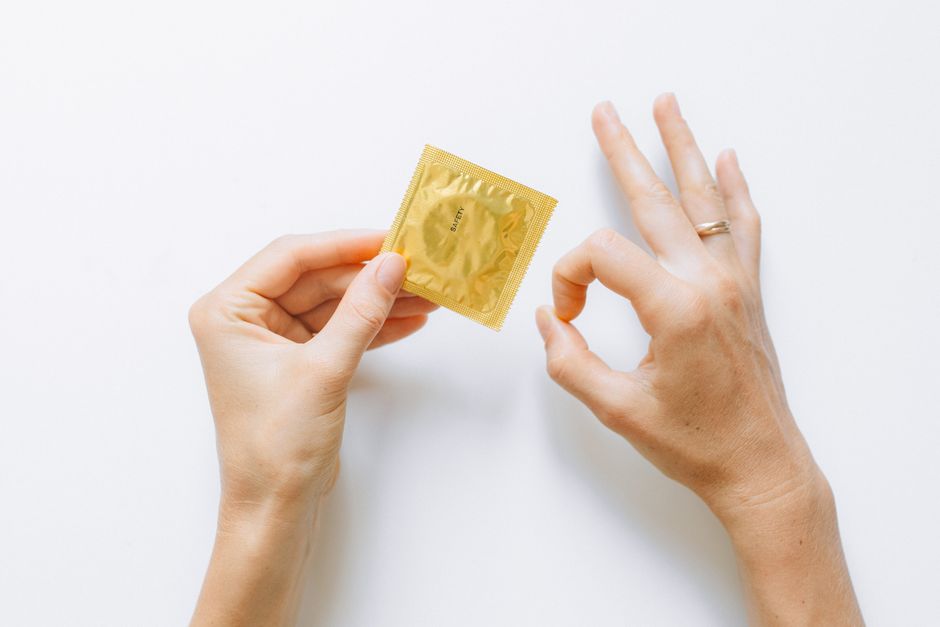
If you start on the first day of your period, protection begins immediately. If you start any other day, use condoms or another backup method for the first 7 days.





What Happens If You Miss A Birth Control Pill?
Missing one combination pill by less than 12 hours means you are still protected. Take the missed pill as soon as you remember, then take your next pill at the normal time. Taking two pills in one day is acceptable in this situation.
Missing one combination pill by more than 12 hours means you need backup contraception for 7 days. Take the missed pill immediately, even if that means two pills in one day. Continue the rest of the pack on schedule.
Missing two or more combination pills in a row requires a different approach. Take the most recent missed pill and throw out the earlier ones. Use backup contraception for 7 days. Some clinicians recommend skipping the placebo pills and starting the next pack immediately.
For progestin-only pills, missing any pill by more than 3 hours means you need backup contraception for 48 hours. Take the missed pill as soon as you remember, even if that means two pills in one day.
If you miss pills and had unprotected sex, emergency contraception may be appropriate. Talk to your clinician or pharmacist about your options. Do not wait.
How Does The Placebo Week Work?
The placebo pills in a 28-day pack exist to keep you in the habit of taking a daily pill. They contain no hormones. You will have a withdrawal bleed during this week, which is not a true period but a response to the hormone drop.
You are still protected from pregnancy during the placebo week as long as you took all the active pills correctly. The protection continues through the break.
If you miss placebo pills, it does not affect pregnancy protection. The risk comes if you forget to start your next pack on time. The hormone-free interval should not exceed 7 days.
Some people choose to skip the placebo week and start a new pack immediately. This is called continuous use. It is safe to do, but talk to your clinician first if you are considering it.
How Long Until Birth Control Pills Become Effective?
Combination pills become effective immediately if you start them on the first day of your period. Starting any other day means you need 7 days of backup contraception.
Progestin-only pills become effective after 48 hours if you start them within the first 5 days of your period. Starting any other time means you need 7 days of backup contraception.
These timelines apply to first-time users. If you are switching from one pill to another, ask your clinician whether a gap in coverage exists.
If you are switching from an intrauterine device or implant, the timing rules differ. Discuss this with your clinician before making the switch.
What Can Interfere With Birth Control Pills?
Vomiting or diarrhea can reduce how much of the pill your body absorbs. If you vomit within 2 hours of taking your pill, treat it as a missed pill. Severe diarrhea lasting more than 48 hours also warrants treating the pill as missed.
Certain medications can reduce pill effectiveness. Some antibiotics, certain seizure medications, and the herb St. John’s wort are known to interact. Always tell your clinician and pharmacist about every medication you take, including supplements.
Weight is not a reason to assume the pill will not work. Some research suggests the pill may be slightly less effective at higher body weights, but the evidence is not strong enough to change prescribing practice. The pill remains a reasonable option for most people regardless of weight.
How To Build A Birth Control Pill Routine That Works
Set a daily alarm on your phone. Label it with the pill name so you know what it is for. Place the pill pack next to something you use every day, like your toothbrush or coffee maker.
Keep a backup pack in your bag or car. This helps if you leave home without your current pack. Just remember that backup packs still need to be stored at room temperature away from heat and moisture.
Use the reminder apps that many pharmacy chains offer. Some send text messages or push notifications. These can help bridge the gap between prescription refills.
Refill your prescription before you run out. Most insurance plans allow refills 7 days before the current pack ends. Set a calendar reminder for when you are allowed to refill.
When Should You Call Your Clinician?
Call if you miss two or more active pills in a row and had unprotected sex. You may need emergency contraception.
Call if you have severe abdominal pain, chest pain, shortness of breath, or leg pain. These can be signs of a blood clot, which is a rare but serious complication of combination pills.
Call if you experience a migraine with aura for the first time while on the pill. This changes the risk profile and may require switching methods.
Call if you miss a period while taking the pill correctly. This is usually harmless, but pregnancy testing is appropriate to rule out the possibility.
Frequently Asked Questions
What happens if I take my birth control pill 2 hours late?
For combination pills, you are still protected because the window is 12 hours. For progestin-only pills, being 2 hours late is also within the 3-hour window, so you remain protected.
Can I take two birth control pills in one day if I missed one?
Yes, taking two pills in one day is the standard instruction for a missed pill. Take the missed pill as soon as you remember, then take the next pill at your normal time.
Do I need to use condoms during the placebo week?
No, you are still protected during the placebo week if you took all active pills correctly. The protection continues through the hormone-free interval.
How soon after starting the pill is it effective?
Starting on the first day of your period gives immediate protection for combination pills. Starting any other day requires 7 days of backup contraception.
