
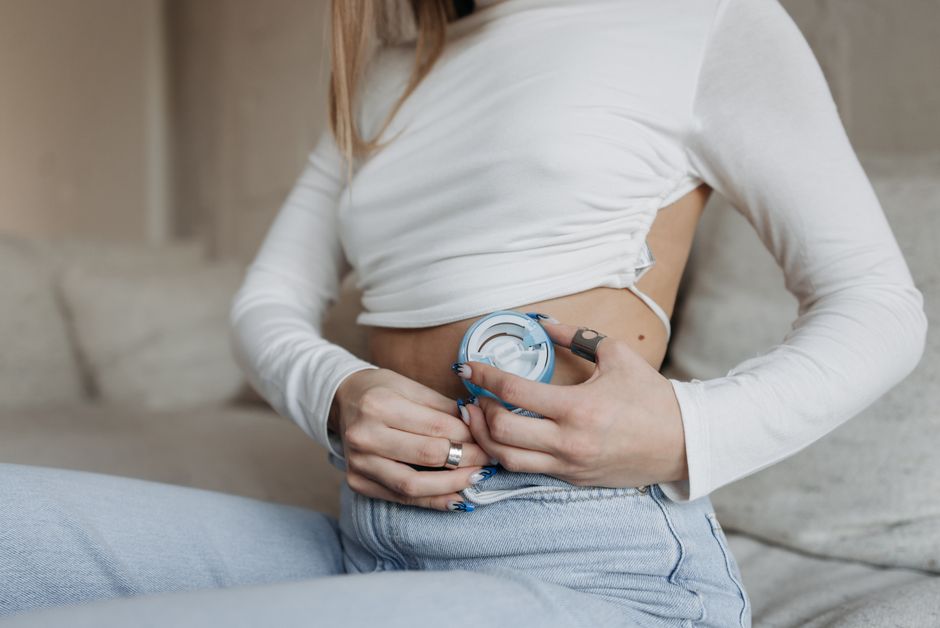
Colostrum is the first milk your body makes, and it is packed with antibodies and nutrients for your newborn. You can collect it before birth by hand expression, usually starting around 36 to 37 weeks of pregnancy, and after birth by hand or pump until your mature milk comes in. The goal is to gather small amounts of this thick, golden liquid to feed your baby or store for later use.
What Is Colostrum and Why Collect It?
Colostrum is the thick, sticky first milk your breasts produce during pregnancy and for the first few days after birth. It is often yellow or orange in color. Unlike mature breast milk, you only make a small amount — usually teaspoons, not ounces. That is normal and exactly what a newborn needs in the first days.
Colostrum is rich in antibodies, especially immunoglobulin A (IgA), which coats your baby’s digestive tract. It also contains white blood cells, growth factors, and a natural laxative effect that helps your baby pass meconium, the first stool. This early milk helps protect against infection and supports the development of a healthy gut microbiome.
Collecting colostrum before birth is sometimes called “antenatal expression.” Some women do this to have a backup supply if their baby has trouble latching, has low blood sugar, or needs a little extra after birth. It can also help you practice hand expression before the pressure of labor and delivery.
When Should You Start Pumping Colostrum Before Birth?
Most healthcare providers suggest starting hand expression of colostrum around 36 to 37 weeks of pregnancy. This is considered full term, and the risk of stimulating labor is lower at this point. Some practices wait until 39 weeks. Always check with your own midwife or doctor before starting.
Hand expression is the preferred method before birth. A breast pump is often too strong and may not collect the small, thick drops of colostrum effectively. Your hands give you more control and are gentler.
There is some evidence that nipple stimulation can trigger contractions. For this reason, most guidelines advise against collecting colostrum before 36 weeks or in high-risk pregnancies. If you have placenta previa, a history of preterm labor, or a cervical cerclage, your provider will likely tell you not to express before birth. Follow their advice exactly.
How To Hand Express Colostrum Before Birth
Hand expression is a skill. It takes practice, and most women get better over several days. Do not expect much on the first try — a few drops is a good start.
Here is the basic technique:
- Wash your hands well. Have a clean collection container or syringe ready.
- Warm your breasts with a warm cloth or a warm shower for a few minutes. This helps milk flow.
- Massage your breast gently in a circular motion toward the nipple.
- Place your thumb and fingers about one to two inches behind the nipple, forming a “C” shape.
- Press back toward your chest wall, then gently squeeze your thumb and fingers together. Do not slide your fingers toward the nipple.
- Release and repeat in a rhythm. Collect drops with a sterile spoon, cup, or a 1-mL or 3-mL syringe.
- Move your fingers around the breast to drain different milk ducts.
Limit each session to about 10 to 15 minutes per breast. You can do this once or twice a day. Stop if you feel pain or if you notice regular contractions that do not go away with rest.




How To Pump Colostrum After Birth
After birth, hand expression remains the most effective way to collect colostrum in the first 24 to 48 hours. The volumes are tiny, and a standard electric pump often cannot grab the thick fluid. However, some women prefer a pump, and it can work, especially if you have a hospital-grade pump or a manual pump designed for early milk.
If you are using a pump after birth, follow these steps:
- Start with hand expression to get the flow going.
- Use the lowest suction setting that feels comfortable. High suction can damage your nipples.
- Pump for 10 to 15 minutes per breast. Stop if it hurts.
- Collect what comes out with a syringe or small container.
- Follow up with hand expression to remove any remaining drops.
Pump both breasts. Some pumps come with special inserts for smaller nipples, which can improve comfort and output. If you are not seeing drops after a few minutes, switch to hand expression. It is not a failure — it is simply the better tool for this stage.
How Much Colostrum Should You Collect?
Do not expect large amounts. In the first 24 hours after birth, a newborn typically takes about 5 to 7 mL (roughly a teaspoon) per feeding. By day three, this rises to about 22 to 27 mL per feeding. Your baby’s stomach is tiny, and colostrum is concentrated. Small volumes are exactly right.
Before birth, collecting 1 to 5 mL per session is a reasonable goal. Some women collect more, some less. There is no minimum requirement. Any amount you collect is beneficial and can be used after birth if needed.
Store collected colostrum in sterile syringes or small containers. Label each with the date and time. Fresh colostrum can sit at room temperature for up to four hours. It lasts up to four days in the refrigerator and up to six months in a standard freezer. If you are collecting before birth, freeze it and bring it to the hospital in a cooler bag with ice packs.
Risks and When To Stop Pumping
Nipple stimulation releases oxytocin, the same hormone that causes contractions. For most full-term, low-risk pregnancies, this is not dangerous. But it can cause mild, irregular contractions during or after a session. These usually settle with rest.
Stop expressing and contact your provider if you experience:
- Regular, painful contractions that do not stop
- Bleeding or fluid leaking from the vagina
- Decreased fetal movement
- Pain or severe discomfort in the breast
After birth, watch for nipple damage. If your nipples become cracked, bleeding, or extremely sore, stop pumping and get help from a lactation consultant. Pumping should never cause sharp pain. If it does, the flange size may be wrong, or the suction may be too high.
Some women feel dizzy or lightheaded during pumping. This is often due to the hormone release. Sit down, keep water nearby, and take breaks if needed.
What If You Cannot Collect Any Colostrum?
Many women cannot get drops in the first few attempts, especially before birth. This does not mean your milk will not come in. It often means the technique needs adjustment, or your body simply is not ready to release milk yet.
Try different times of day. Some women find they express more easily in the morning. Relaxation matters — stress blocks the release of oxytocin. Put on music, breathe slowly, and do not watch the clock.
If you have diabetes, polycystic ovary syndrome, or a history of breast surgery, you may produce colostrum later or in smaller amounts. This is not a sign that breastfeeding will fail. Your mature milk supply is determined by frequent, effective milk removal after birth, not by how much you collected beforehand.
Does Pumping Colostrum Before Birth Increase Milk Supply?
There is limited research on this question. Some studies suggest that antenatal expression may help some women establish milk supply faster, but the evidence is not strong enough to recommend it as a strategy for increasing overall milk volume.
What is clear is that hand expression before birth helps you learn the skill. After birth, women who practiced antenatal expression often report feeling more confident and less stressed when their baby arrives. That confidence can indirectly support breastfeeding success.
Do not treat pre-birth collection as a test of your future milk supply. It is not. Many women who collect nothing before birth go on to have abundant milk. Many who collect a lot still face challenges. The two are not connected.
Frequently Asked Questions
Is it safe to pump colostrum at 36 weeks?
It is generally considered safe for low-risk pregnancies at 36 weeks or later, but you should confirm with your healthcare provider first. High-risk pregnancies may require waiting longer or avoiding expression entirely.
How long can frozen colostrum be stored?
Frozen colostrum can be stored for up to six months in a standard freezer. Label every container with the date and time you collected it.
Can pumping colostrum before birth cause labor?
Nipple stimulation can trigger mild contractions, but it rarely induces labor in a full-term, low-risk pregnancy. Stop expressing and contact your provider if contractions become regular and painful.
Should I use a pump or my hands for colostrum?
Hand expression is usually more effective for colostrum because it is thick and produced in tiny amounts. A pump can work after birth, but many women find their hands are the better tool in the first few days.
