
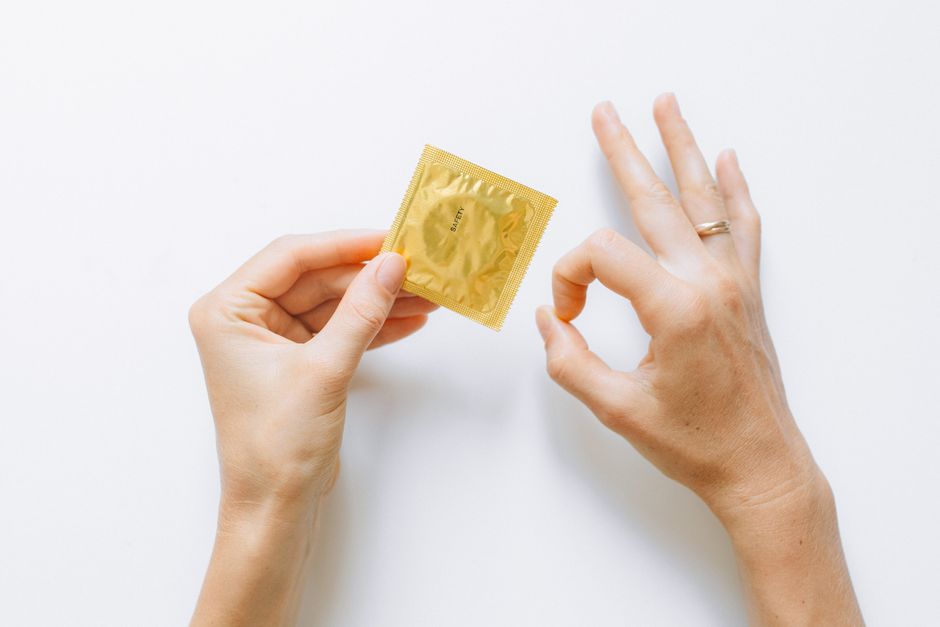
Taking birth control pills correctly starts with one simple rule: take one pill at the same time every day. Missing pills, starting late, or stopping early are the most common reasons for unplanned pregnancy. The pill is over 99% effective with perfect use, but typical use drops that to about 91%. That gap exists because people make mistakes. You can avoid nearly all of them by understanding how the pill works and building a daily habit.
How Do Birth Control Pills Actually Work?
Birth control pills use synthetic hormones to stop ovulation. When you take them consistently, the hormones keep your ovaries from releasing an egg. The pill also thickens cervical mucus, which makes it harder for sperm to reach an egg if ovulation does happen.
There are two main types of pills. Combination pills contain both estrogen and progestin. Progestin-only pills, sometimes called the minipill, contain only progestin. The type you take affects how strict your timing needs to be.
Combination pills give you a 24-hour window each day. Taking your pill within the same hour is ideal, but you have some flexibility. Progestin-only pills require a much stricter schedule. You must take them within the same three-hour window every day. Missing that window can increase your risk of ovulation.
When Should You Start Your First Pack?
You can start combination pills on the first day of your period. If you start then, you are protected from pregnancy immediately. You do not need backup contraception.
You can also start on a Sunday or any other day that fits your schedule. If you start on any other day, you are not fully protected for the first seven days. During that first week, use a condom or avoid sex.
Progestin-only pills follow a different rule. You can start them any day of your cycle. If you start within the first five days of your period, you are protected right away. If you start later in your cycle, wait 48 hours before relying on the pill alone for pregnancy prevention.
What Is The Best Time Of Day To Take The Pill?
The best time is whatever time you will not forget. Some people link their pill to brushing their teeth in the morning. Others take it with dinner or right before bed.
If you take a combination pill, choose a time you can stick to within a few hours. If you take a progestin-only pill, choose a time you can hit within the same three-hour window daily.
Consider your side effects when choosing a time. Some people feel mild nausea after taking the pill. Taking it with food or right before bed can reduce that feeling. If nausea persists beyond the first few packs, talk to your clinician about switching formulations.
Set a daily alarm on your phone. Keep your pill pack next to something you use every day, like your toothbrush or coffee maker. These small cues make missed pills far less likely.




How To Take Birth Control Pills And Avoid Mistakes With Missed Pills
Missing a pill happens. What matters is what you do next. The rules differ based on the type of pill and how many pills you missed.
For combination pills, if you are less than 24 hours late, take the missed pill immediately. Take your next pill at your regular time. You may take two pills in one day, which is fine. You do not need backup contraception.
If you are more than 24 hours late, take the missed pill as soon as you remember. Skip the pill you were supposed to take today and take the next one at your normal time. This may mean taking two pills in one day. Use a condom for the next seven days.
For progestin-only pills, the rules are stricter. If you are more than three hours late, take the missed pill immediately. Use backup contraception for the next 48 hours. If you missed more than one progestin-only pill, contact your clinician for specific guidance.
If you miss two or more combination pills in a row, the situation becomes more complex. Take the most recent missed pill and discard the others. Continue with your regular schedule. Use backup contraception for seven days. If you missed pills in the last week of active pills, skip the placebo week and start your next pack immediately.
What Should You Do If You Miss Placebo Pills?
Placebo pills are the sugar pills in the last week of your pack. They contain no hormones. Missing them has no effect on pregnancy protection.
Some people choose to skip placebo pills entirely and start the next pack right away. This is safe and is called continuous use. It often reduces or eliminates withdrawal bleeding. Some clinicians recommend this approach for people who experience severe menstrual symptoms.
If you accidentally take a placebo pill instead of an active pill, check your pack. The pills look different in most brands. If you are unsure whether you took an active pill, treat it as a missed active pill and follow the missed pill rules above.
Does Antibiotics Or Other Medications Affect The Pill?
Most antibiotics do not reduce birth control pill effectiveness. The old warning about all antibiotics interfering with the pill is largely a myth. Rifampin, a medication used for tuberculosis, is the main antibiotic proven to reduce pill effectiveness.
Some other medications do interfere with the pill. Certain anti-seizure drugs, the herbal supplement St. John’s Wort, and some HIV medications can make the pill less effective. Always tell your clinician and pharmacist what medications you take, including supplements.
If you start a new medication, ask your pharmacist whether it interacts with hormonal birth control. If you are unsure, use a condom until you have confirmed there is no interaction.
What Happens If You Vomit Or Have Diarrhea?
Vomiting within two hours of taking your pill means the pill may not have been absorbed. Treat it as a missed pill. Take another active pill from your pack if you have one. If you do not have an extra pill, contact your pharmacy or clinician.
Severe diarrhea lasting more than 48 hours can also reduce absorption. During that time, use backup contraception. Continue taking your pills on schedule even if you have diarrhea.
If vomiting or diarrhea continues for several days, your protection may be compromised. Use condoms until you have taken seven consecutive active pills without gastrointestinal upset.
How To Switch Between Pill Brands Or Types
Switching from one combination pill to another is usually straightforward. Finish your current pack or switch on the first day of your period. If you switch on the first day of your period, you are protected immediately. If you switch mid-cycle, use backup contraception for seven days.
Switching from a combination pill to a progestin-only pill requires more care. Start the progestin-only pill the day after your last active combination pill. Do not take the placebo pills. You are protected immediately if you make this switch correctly.
Switching from a progestin-only pill to a combination pill is simpler. Start the combination pill on any day. Use backup contraception for seven days.
What Are The Common Side Effects And When Do They Stop?
Most side effects appear in the first three months and fade as your body adjusts. Breakthrough bleeding is the most common complaint. Spotting between periods usually resolves by the third pack.
Nausea, breast tenderness, and mood changes can also occur early on. These symptoms often improve within a few months. If they do not, a different pill formulation may help. Combination pills come in different estrogen doses and different progestin types. Finding the right match sometimes takes a few tries.
Serious side effects are rare but possible. Blood clots are the most concerning risk. The absolute risk is low for most healthy people, but it is higher if you smoke and are over 35. Seek immediate medical care for leg pain or swelling, chest pain, sudden shortness of breath, or severe headache.
When Are You Protected After Stopping The Pill?
Fertility returns quickly after stopping the pill. Most people ovulate within a few weeks of their last active pill. You can become pregnant in the first cycle after stopping.
There is no “washout” period needed. The hormones leave your system within days. If you want to conceive, you can try immediately after stopping. If you want to avoid pregnancy, start a different contraceptive method the day after your last active pill.
Frequently Asked Questions
Can I take my birth control pill at different times each day?
For combination pills, taking your pill within the same few hours daily is fine. For progestin-only pills, you must take it within the same three-hour window every day.
What should I do if I forgot to take my pill yesterday?
Take the missed pill as soon as you remember, even if that means taking two pills in one day. Use a condom for the next seven days if you missed an active combination pill.
Does the pill protect me from sexually transmitted infections?
No. Birth control pills only prevent pregnancy. Condoms are the only contraceptive method that also reduces the risk of most sexually transmitted infections.
Can I get pregnant if I take my pill perfectly every day?
Yes, but the chance is very low. The pill is over 99% effective with perfect use, meaning fewer than 1 in 100 people become pregnant in a year of perfect use.
