
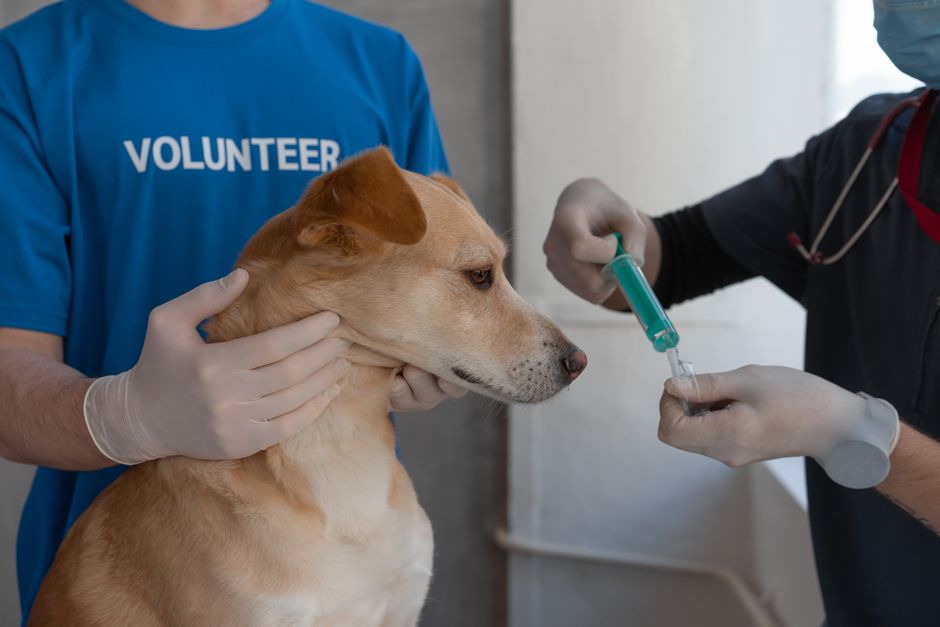
Rabies is nearly always fatal once symptoms appear, but the vaccine is not needed for every animal encounter. You can safely skip the rabies vaccine only when the exposure risk is genuinely zero — meaning the animal is a low-risk species, the encounter did not break the skin, or the animal is available for observation and remains healthy. The decision is never about avoiding a shot out of convenience; it is about accurately assessing whether rabies virus could have entered your body.
What Counts as a Real Rabies Exposure?
Rabies spreads through saliva or nervous tissue entering the body. The most common route is a bite that breaks the skin. Scratches, open wounds, or mucous membranes like the eyes, nose, or mouth can also be entry points if contaminated with saliva or brain material from a rabid animal.
Petting a dog, being licked on intact skin, or touching an animal’s fur is not an exposure. Rabies virus does not survive long outside a living host, and it cannot penetrate unbroken skin. If the skin is intact and no saliva touched a mucous membrane, there is no exposure and no need for vaccination.
A bite that does not break the skin also does not count as an exposure. If there is any question about whether the skin was broken, wash the area thoroughly and seek medical advice. Healthcare providers can examine the wound and determine if the skin barrier was compromised.
Low-Risk Animals: When Vaccination Is Usually Unnecessary
In the United States, certain animals rarely carry rabies. Small rodents like mice, rats, squirrels, chipmunks, guinea pigs, and hamsters are not known to transmit rabies to humans. Rabbits are also considered very low risk. Bites from these animals generally do not require rabies vaccination.
The reason is biological. These small animals are typically killed by a rabid predator rather than surviving to transmit the virus. They do not serve as natural reservoirs for rabies in North America. Public health guidelines consistently reflect this low risk.
Larger wild animals are a different story. Raccoons, skunks, foxes, and bats are the primary rabies carriers in the United States. Any bite or saliva exposure from these animals requires immediate medical evaluation and usually post-exposure prophylaxis.
The Bat Exception: A Special Case
Bats require particular attention because their bites can be tiny and nearly painless. A person can be bitten by a bat while sleeping and not realize it. This is why public health officials recommend rabies vaccination after any potential bat exposure when the bat cannot be tested.
If you wake up to find a bat in your room, or if a bat is found in a room with an unattended child, a sleeping adult, or someone with sensory impairment, vaccination is typically recommended. The risk may seem small, but the consequence of an actual rabies infection is almost always death.
If the bat is captured and tests negative for rabies, vaccination is not needed. If the bat escapes and cannot be tested, the cautious approach is to receive the vaccine. This is one situation where erring on the side of treatment is strongly advised.




When the Animal Can Be Observed
For dog and cat bites, observation is a standard part of the decision. Healthy dogs and cats that can be observed for 10 days after a bite do not require immediate rabies vaccination of the victim in most cases. If the animal remains healthy through the observation period, it did not have transmissible rabies at the time of the bite.
This 10-day window is based on established science. Rabies virus travels from the bite site to the brain before it reaches the salivary glands. Once the virus is in the saliva and can be transmitted, the animal typically shows signs of illness within days. An animal that is healthy 10 days after the bite was not shedding virus when it bit.
This observation rule applies to domestic dogs and cats only. It does not apply to wild animals. A wild animal that bites and escapes cannot be observed, so vaccination is recommended without delay.
How To Avoid The Rabies Vaccine When To Skip It
The most direct way to avoid the rabies vaccine is to prevent exposures from happening in the first place. Do not approach or handle wild animals. Do not feed stray animals. Vaccinate your own pets against rabies and keep their shots current. Teach children to never touch unfamiliar animals, even ones that appear friendly.
If an exposure does occur, the decision to skip vaccination rests on three questions. First, did the animal’s saliva contact broken skin or a mucous membrane? Second, is the animal a species known to carry rabies in your region? Third, can the animal be observed or tested?
If the answer to the first question is no, vaccination is unnecessary. If the animal is a low-risk species like a squirrel or hamster, vaccination is generally unnecessary. If a dog or cat bite occurred and the animal can be observed for 10 days, vaccination can wait until the observation period ends.
When none of these conditions apply — meaning a bite from a high-risk wild animal occurred, or a bat was in your bedroom while you slept — the vaccine is not optional. It is the only intervention that prevents a nearly always fatal disease.
What If You Already Started the Vaccine?
Once post-exposure prophylaxis begins, you should complete the full course. The regimen typically involves one dose of rabies immune globulin and a series of vaccine doses given over two weeks. Stopping early leaves you unprotected.
If you started the vaccine because of a bat exposure and the bat later tests negative, you can stop. Your healthcare provider will guide you based on the test result. If the animal was a dog or cat that remains healthy after 10 days, the series can also be discontinued.
But if the exposure was from a wild animal that cannot be tested, complete the full series. Rabies has one of the highest case fatality rates of any infectious disease. Once symptoms develop, there is no effective treatment.
Common Myths About Rabies and the Vaccine
One common myth is that rabies only comes from dogs. In the United States, wild animals are the primary source of human rabies cases. Bats account for the majority of domestically acquired infections in recent decades.
Another myth is that a rabid animal always behaves aggressively or foams at the mouth. Some rabid animals become unusually tame or lethargic. A nocturnal animal active during the day, or a wild animal that approaches humans without fear, may be sick. Any unusual behavior in a wild animal should be treated with caution.
Some people believe the vaccine is extremely painful or causes serious side effects. Modern rabies vaccines are given in the arm like most other shots. Side effects are typically mild and include soreness at the injection site, headache, or mild fever. Serious allergic reactions are rare.
The old myth that the vaccine involves dozens of painful abdominal shots is outdated. That regimen has not been used in decades. Current vaccines are safe, effective, and far more tolerable.
When to Seek Medical Care Immediately
Any bite from a wild carnivore — raccoon, skunk, fox, coyote — requires immediate medical attention. Do not wait to see if symptoms develop. Rabies symptoms can take weeks or even months to appear, and once they do, the disease is almost always fatal.
Any bite from a bat, or any potential bat exposure while sleeping, also requires immediate evaluation. If the bat is available, it can be tested. If not, vaccination is the recommended course.
Bites from unfamiliar dogs or cats in areas where rabies is present should also be evaluated promptly. If the animal is a stray and cannot be observed, vaccination may be recommended. If the animal is a pet with current rabies vaccination and can be observed, the situation is different.
Wash any bite wound thoroughly with soap and water for at least 15 minutes. This simple step significantly reduces the amount of virus at the wound site. Then seek medical care. Do not delay while trying to decide if vaccination is needed.
Frequently Asked Questions
Can I skip the rabies vaccine if the bite is small?
No. The size of the bite does not determine rabies risk. Even a small puncture wound from a rabid animal can transmit the virus, so any bite from a high-risk species requires medical evaluation.
Do I need rabies shots after a scratch from a stray cat?
It depends on whether the scratch broke the skin and whether saliva was on the cat’s claws. If the skin is broken, seek medical advice. The cat should be observed for 10 days if it is available.
Can I get rabies from touching a rabid animal?
No. Rabies is not transmitted through intact skin. Touching an animal’s fur or skin is not an exposure unless saliva or nervous tissue contacts broken skin or a mucous membrane.
Is the rabies vaccine safe during pregnancy?
Yes. Rabies post-exposure prophylaxis is considered safe during pregnancy. The risk of rabies infection far outweighs any potential risk from the vaccine, and pregnancy is not a reason to delay treatment.
