
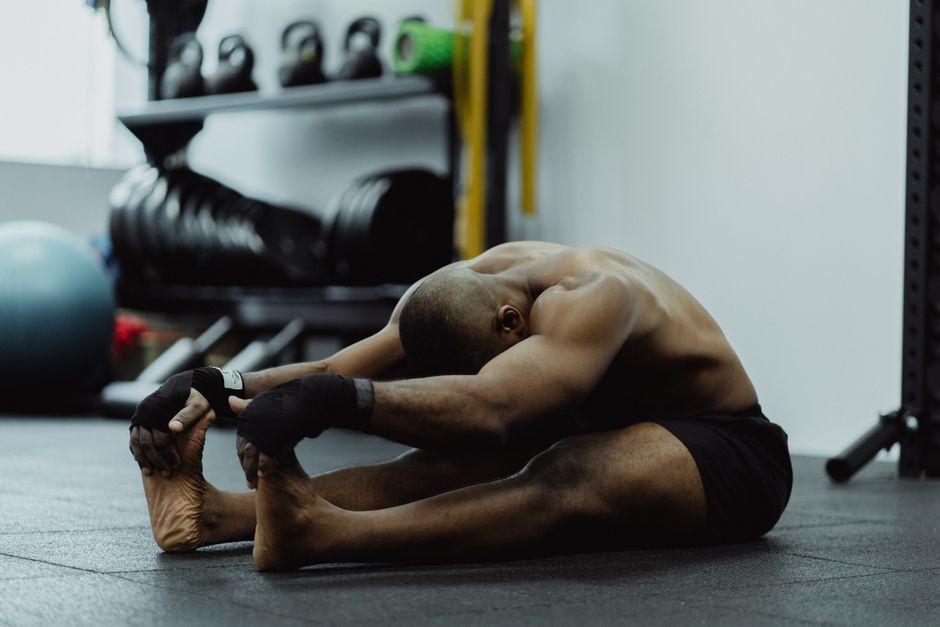
Stretching your core is about more than touching your toes. It is about keeping your spine and torso moving well so you can bend, twist, and reach without pain. The best core stretches target the abdominal muscles, the lower back, and the sides of your trunk (the obliques). The most common mistake is treating a stretch like a competition. You should feel a gentle pull, not sharp pain. Hold each stretch for about 30 seconds and breathe normally. Move slowly into the position and never bounce.
Why Core Stretching Matters More Than You Think
Your core is the group of muscles that connects your upper and lower body. It includes the rectus abdominis (the six-pack muscle), the obliques on your sides, the transverse abdominis deep inside, and the muscles of your lower back. These muscles work together to stabilize your spine.
When these muscles are tight, they pull on your pelvis and spine. This can change your posture and make everyday movements feel stiff. Tight hip flexors and a tight lower back often go together with a weak or overworked core. Stretching these areas can relieve tension and improve how easily you move.
Research consistently shows that regular stretching improves flexibility and range of motion. It does not prevent all injuries, but it helps your joints move through their full, natural range. For the core specifically, stretching balances the muscles you work during exercise. If you do crunches or planks but never stretch, your abdominal muscles can shorten and feel tight.
How To Stretch Your Core Muscles Moves And Mistakes: The Right Way
The key to a good core stretch is slow, controlled movement. You are not trying to force your body into a deep bend. You are teaching your muscles to relax and lengthen. Start with a light warm-up like walking for five minutes. Warm muscles stretch more easily than cold ones.
Here is how to perform the most effective core stretches correctly. Pay attention to your breathing. Exhale as you ease into the stretch. Inhale as you hold. Never hold your breath.
- Cat-Cow Stretch: Start on your hands and knees. Arch your back up like a cat, tucking your chin to your chest. Then drop your belly toward the floor and look slightly up. Move slowly between these two positions.
- Child’s Pose: Kneel on the floor, sit back on your heels, and reach your arms forward. Rest your forehead on the floor. This gently stretches your lower back and lats.
- Seated Twist: Sit on the floor with your legs straight. Bend one knee and place that foot on the outside of the opposite leg. Twist your torso toward the bent knee, using your opposite arm for leverage. Keep your spine tall.
- Standing Side Stretch: Stand with feet shoulder-width apart. Raise one arm overhead and lean to the opposite side. Keep both hips facing forward. You should feel the stretch along your side from your hip to your ribs.
- Cobra Stretch: Lie on your stomach with your hands under your shoulders. Press your chest off the floor while keeping your hips down. This stretches the abdominal muscles and opens the front of the body.
The most common mistake is rushing through these stretches. Hold each one for 30 seconds. Do not bounce. Bouncing triggers a reflex in your muscle that makes it tighten instead of relax. Another mistake is stretching through pain. A mild pulling sensation is normal. Sharp or shooting pain means you have gone too far. Back off immediately.
Targeting the Obliques: The Side Muscles People Forget
Your obliques run along the sides of your waist. They help you twist and bend sideways. Many people stretch their abs and lower back but ignore these side muscles entirely. Tight obliques can pull on your lower back and cause discomfort during rotation.
A doorframe stretch is effective for the obliques. Stand beside a doorframe and reach your inside arm across your body to grip the frame. Gently push your hips away from the frame. You should feel a stretch along the side of your torso. Hold for 30 seconds and switch sides.
Another option is the lying side stretch. Lie on your back with your knees bent and feet flat on the floor. Let both knees fall to one side while keeping your shoulders flat on the ground. This stretches the obliques and lower back on the opposite side. Keep your movement slow and controlled.
When stretching the obliques, avoid tilting your pelvis forward. This reduces the stretch and can strain your lower back. Keep your hips square and level throughout the movement.





Stretching the Lower Back Without Making It Worse
Lower back tightness is common, especially if you sit for long hours. But the lower back is sensitive. Stretching it incorrectly can increase pain. The safest approach is gentle, passive stretching that does not force the spine into extreme positions.
Knee-to-chest is a safe and simple stretch. Lie on your back with both knees bent. Pull one knee toward your chest and hold. Keep the other foot flat on the floor. Switch legs after 30 seconds. This targets the lower back without putting pressure on the spinal discs.
The pelvic tilt is another gentle option. Lie on your back with your knees bent. Flatten your lower back against the floor by tilting your pelvis upward. Hold for five seconds, then release. This stretches the lower back and strengthens the deep core muscles at the same time.
If you have a history of disc problems or sciatica, be cautious with forward bends and twists. Some research suggests that aggressive spinal flexion can aggravate disc issues. If a stretch increases pain in your leg or buttock, stop. That could be a nerve signal, not a muscle stretch.
When Stretching Is Not Enough: The Missing Piece
Stretching alone rarely fixes chronic back pain. Tight muscles are often a response to weak muscles elsewhere. Your body tightens the back to compensate for a weak core or weak glutes. If you only stretch, you address the symptom but not the cause.
Strength training for the core is just as important as stretching. Planks, bird dogs, and glute bridges build the endurance your spine needs. A balanced approach includes both stretching and strengthening. Stretching improves flexibility. Strengthening improves stability. You need both for a healthy core.
Some research suggests that yoga and Pilates improve core strength and flexibility simultaneously. These practices combine stretching with controlled movement and breathing. They are not a cure for all back pain, but they are a reasonable option for many healthy adults.
If your core feels tight despite regular stretching, consider your daily posture. Sitting for hours shortens the hip flexors and weakens the glutes. This pattern pulls on the lower back. Standing up every 30 minutes and walking briefly can help more than an extra stretch session.
Mistakes That Sabotage Your Core Stretches
Several common errors reduce the benefit of stretching or cause injury. The first is stretching cold muscles. A quick warm-up increases blood flow and makes the tissue more pliable. Stretching cold tissue increases the risk of strain.
The second mistake is holding your breath. Breathing relaxes the nervous system and allows muscles to release tension. If you hold your breath, your muscles stay guarded. Exhale as you move into the stretch and breathe steadily while holding it.
The third mistake is comparing yourself to others. Flexibility varies widely between individuals. Your range of motion depends on your anatomy, age, and activity history. What feels like a deep stretch for one person may be barely noticeable for another. Work with your own body.
The fourth mistake is stretching an injured area without medical guidance. If you have acute back pain, a herniated disc, or an unknown cause of pain, see a healthcare provider before starting a stretching routine. Stretching the wrong thing can make the problem worse.
Frequently Asked Questions
How long should I hold a core stretch?
Hold each core stretch for about 30 seconds.
Longer holds do not add much benefit for most people.
Should I stretch my core every day?
Daily stretching is generally safe for healthy adults.
If you feel sore or fatigued, take a rest day and let your muscles recover.
Can stretching fix my lower back pain?
Stretching can relieve tension, but it does not fix all back pain.
Weak muscles, poor posture, or an underlying medical condition may require a different approach.
Is it normal to feel pain while stretching my core?
No, sharp pain is not normal during stretching.
A mild pulling sensation is expected, but stop if you feel sharp or shooting pain.
