
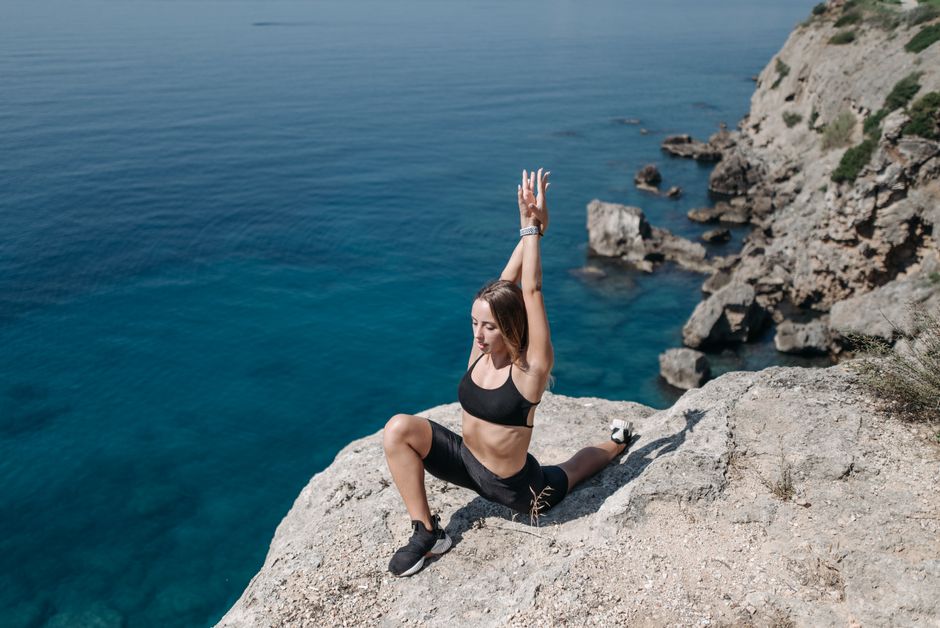
Hip tightness is one of the most common complaints among adults, especially for those who sit at a desk for hours. The hips are a major weight-bearing joint, and when the surrounding muscles—like the hip flexors, glutes, and piriformis—become stiff, it can affect your lower back, knees, and even your walking stride. Stretching these muscles regularly is the most direct way to relieve that tight feeling. The best approach combines static stretches (holding a position) with gentle movement, targeting the front, back, and sides of the hip joint to restore range of motion and reduce discomfort.
What Causes Tight Hips In The First Place?
Prolonged sitting is the primary culprit. When you sit for long periods, the hip flexors—the muscles at the front of your hip that lift your knee—remain in a shortened position. Over time, they adapt to that shortened state, making them feel tight when you stand up or try to extend your leg backward.
Weak glutes also play a role. If the muscles in your buttocks are not activating properly, the hip flexors have to work harder to stabilize your pelvis. This extra workload leads to fatigue and tightness. Other contributors include sleeping positions that keep the hips flexed all night, uneven leg length, and certain types of exercise that overwork the front of the hip without balancing the back.
It is also worth noting that “tightness” is not always a muscular issue. Sometimes the sensation comes from the joint capsule itself or from nerve irritation in the lower spine. If stretching does not improve the feeling within a few weeks, or if you experience sharp pain, numbness, or weakness, that is a sign to consult a healthcare professional.
How To Stretch Your Hips And Relieve Tightness: The Core Routine
An effective hip stretching routine does not need to be long or complicated. Aim for about 10 to 15 minutes, three to five times per week. Consistency matters more than intensity. You should feel a gentle pull, not sharp pain. Hold each static stretch for 30 seconds and breathe normally.
Here are the four most effective stretches for general hip tightness. They cover the major muscle groups around the joint.
- Kneeling Hip Flexor Stretch: Kneel on one knee with the other foot flat on the floor in front of you. Squeeze your glute on the kneeling side and gently push your hips forward. You should feel a stretch in the front of the thigh and hip. Hold for 30 seconds, then switch sides.
- Figure-Four Stretch: Lie on your back with both knees bent. Cross your right ankle over your left knee. Gently pull your left thigh toward your chest. This targets the piriformis and deep rotator muscles in the back of the hip. Hold for 30 seconds, then switch sides.
- Pigeon Pose: From a tabletop position on your hands and knees, bring your right knee forward and place it behind your right wrist. Slide your left leg back, keeping your hips square to the floor. Lower your upper body toward the floor. This is a deeper stretch for the glutes and outer hip. Hold for 30 to 45 seconds, then switch sides.
- Standing Hip Flexor Stretch: Stand tall and take a step back with your right foot. Keep your back leg straight and your heel on the floor. Bend your front knee slightly. Tuck your pelvis under and lean forward until you feel a stretch in the front of your right hip. Hold for 30 seconds, then switch sides.
These four stretches cover the front, back, and sides of the hip. If you only have time for two, choose the kneeling hip flexor stretch and the figure-four stretch, as they address the two most common tight areas.
Why Static Stretching Alone May Not Be Enough
Static stretching—holding a position—is excellent for increasing flexibility, but it does not always fix the underlying problem of muscle weakness. If your hips are tight because your glutes are weak, stretching the hip flexors will provide temporary relief, but the tightness will return quickly.
Research consistently shows that combining stretching with strengthening exercises produces better long-term results for hip mobility. The glutes are the primary hip extensors. When they are strong, they pull the pelvis into a neutral position, which automatically reduces tension on the hip flexors.
A simple way to add strength work is to do glute bridges or clamshells after your stretching session. These exercises activate the muscles that oppose the hip flexors. Over time, this balance reduces the feeling of tightness more effectively than stretching alone. Some physical therapists refer to this as “mobility through stability.” The joint is mobile because the muscles around it are working correctly, not just because the tissues are loose.



When To Stretch: Morning, Evening, Or Before Exercise?
Timing your stretches can improve their effectiveness. In the morning, your hips are often stiff from sleeping in a curled position. Gentle stretching in the morning can help you start the day with a fuller range of motion. However, your muscles are colder in the morning, so take extra care to move slowly and avoid bouncing.
Before exercise, static stretching is generally not recommended. Research suggests that holding a stretch for more than 60 seconds before a workout can temporarily reduce muscle strength and power. Instead, do a dynamic warm-up—such as leg swings, walking lunges, or hip circles—to increase blood flow and prepare the joints for movement.
Evening is often the best time for longer, more relaxed stretching sessions. Your muscles have been used throughout the day, they are warmer, and you can spend more time on each position. Stretching in the evening also helps reduce the cumulative tension from a day of sitting or standing.
Common Mistakes That Make Hip Stretching Less Effective
Many people stretch incorrectly without realizing it. The most common mistake is rushing the stretch. Holding a position for only 10 to 15 seconds is not enough to change tissue length. You need at least 30 seconds for a meaningful stretch.
Another frequent error is arching the lower back during hip flexor stretches. When you arch your back, you actually reduce the stretch on the hip flexor and transfer the tension to your lumbar spine. This is why tucking your pelvis under—a posterior pelvic tilt—is essential during the kneeling hip flexor stretch. It isolates the stretch to the hip.
Breathing is also overlooked. Many people hold their breath during a stretch, which increases muscle tension. Exhale slowly as you ease into the stretch. This signals your nervous system to allow the muscle to relax. Inhale as you hold the position.
Finally, bouncing is a mistake. Ballistic stretching—bouncing in and out of a stretch—can trigger a protective reflex in the muscle, causing it to contract rather than lengthen. It also increases the risk of injury. Always move smoothly and steadily.
When Hip Tightness Signals A Bigger Problem
Most hip tightness responds well to stretching, but not all of it does. If the tightness is accompanied by pain deep in the groin, a catching or clicking sensation, or stiffness that is worse in the morning and eases during the day, the issue may be inside the joint itself. Conditions like hip osteoarthritis or femoroacetabular impingement (FAI) can produce symptoms that feel like muscle tightness but do not improve with stretching.
Nerve-related issues can also mimic muscle tightness. Sciatica—irritation of the sciatic nerve—can cause a deep pulling sensation in the buttock and back of the thigh. Stretching the hamstring or glute may provide temporary relief, but the underlying nerve irritation needs to be addressed differently.
A useful guideline is the two-week rule. If you stretch consistently for two weeks and see no improvement, or if the tightness worsens, it is reasonable to seek a professional evaluation. A physical therapist can assess your movement patterns, identify muscle imbalances, and design a targeted program that addresses the root cause rather than just the symptom.
Daily Habits That Prevent Hip Tightness From Returning
Stretching is a treatment, but prevention is just as important. The most effective prevention strategy is to break up prolonged sitting. Standing up and walking for two minutes every hour significantly reduces the time your hip flexors spend in a shortened position. Set a timer if you tend to lose track of time at your desk.
Your workstation setup also matters. An ergonomic chair that supports your lower back and allows your knees to be at a 90-degree angle helps maintain better hip posture. If you use a standing desk, alternate between sitting and standing rather than standing all day, which can cause its own set of issues.
Sleeping position affects hip tightness too. Sleeping on your side with your knees drawn up toward your chest keeps the hips flexed all night. If you wake up with stiff hips, try placing a pillow between your knees to keep your hips more aligned, or occasionally sleep on your back with a pillow under your knees.
Regular physical activity—walking, cycling, swimming, or strength training—keeps the hip joint lubricated and the surrounding muscles conditioned. The best stretch in the world cannot compensate for a completely sedentary lifestyle.
Frequently Asked Questions
How long should I hold a hip stretch?
Hold each static stretch for at least 30 seconds. This duration is supported by research as the minimum time needed to produce a meaningful change in muscle length.
Can tight hips cause lower back pain?
Yes. Tight hip flexors tilt the pelvis forward, which increases the curve in your lower back and puts extra stress on the lumbar spine. This connection is well established in clinical practice.
Is it better to stretch hips in the morning or at night?
Both times work, but for different reasons. Morning stretching helps reduce overnight stiffness, while evening stretching is more effective for releasing tension built up during the day because your muscles are warmer.
How often should I stretch my hips each week?
Stretching three to five times per week is effective for most people. Daily stretching is fine if you keep the intensity gentle, but more is not necessarily better—consistency over weeks matters more than frequency in a single day.
