
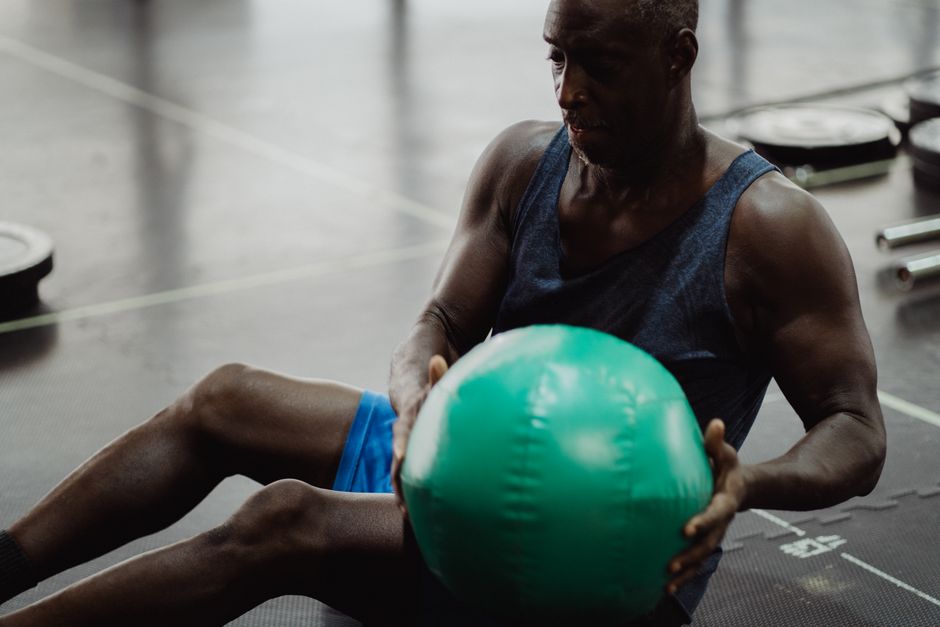
Core muscles are the group of muscles that wrap around your torso, connecting your upper body to your lower body. They include the muscles of your abdomen, lower back, hips, and pelvis. These muscles work together to stabilize your spine, support your posture, and transfer force between your arms and legs. When people talk about “having a strong core,” they mean the network of muscles that helps you stand tall, bend, twist, and move safely.
What Are Core Muscles Exactly?
Your core is not just your six-pack abs. The visible “six-pack” muscle, called the rectus abdominis, is only one small part of the system. The core is a cylinder of muscles that surrounds your midsection.
The main muscles include the transverse abdominis, which sits deep in your abdomen like a corset. The internal and external obliques run along the sides of your waist and help you twist. The erector spinae and multifidus muscles run along your spine and help you extend and rotate your back. The pelvic floor muscles form the base of the cylinder, and the diaphragm forms the top. Your glutes and hip flexors also contribute to core function because they attach to the pelvis and spine.
Think of your core as the central link in a chain. It connects the power from your legs to the work done by your arms. Every push, pull, lift, and twist involves your core, even if you do not feel it working.
Why Do Core Muscles Matter for Daily Life?
Core strength affects almost everything you do. Sitting at a desk, carrying groceries, playing with children, and walking up stairs all rely on your core. A well-functioning core keeps your spine stable and reduces strain on your lower back.
Research consistently shows that weak core muscles are linked to lower back pain. The muscles in your trunk help protect your spine during movement. When they are weak or uncoordinated, your spine takes on more load than it should. That extra load can lead to pain and injury over time.
Core strength also matters for balance. Your core muscles react quickly to keep you upright when you stumble or shift your weight. This becomes more important as you age because falls are a leading cause of injury in older adults.
One non-obvious point: a strong core does not mean a flat stomach. Body fat determines whether your abdominal muscles are visible. Core strength is about function, not appearance. You can have a very strong core and still carry fat around your midsection.
How Do Core Muscles Work During Exercise?
During exercise, your core does two main jobs: it stabilizes and it moves. Stabilization happens when your core muscles contract to keep your spine in a safe position while your arms and legs move. Think of holding a plank or doing a push-up. Your core is working hard to keep your body in a straight line.
Movement happens when your core muscles actively bend, extend, or twist your spine. Sit-ups, crunches, and Russian twists are examples of core movement exercises. Both jobs matter, but stabilization is often more important for everyday function and injury prevention.
Your core also transfers force. When you throw a ball, swing a golf club, or lift a heavy box, your legs generate power. That power travels through your core to your arms. A weak core leaks that power, making your movements less efficient and putting more stress on your shoulders and lower back.
Some research suggests that training your core to resist movement, rather than produce it, is more effective for spine health. Exercises like planks, bird dogs, and dead bugs train your core to keep your spine stable while your limbs move. These are often recommended by physical therapists for people recovering from back pain.





What Happens When Core Muscles Are Weak?
Weak core muscles do not cause immediate symptoms. The effects build gradually. You might notice that your lower back aches after standing for a long time. You might feel unstable when carrying something heavy on one side. You might lose your balance more easily than you used to.
Poor posture is another common sign. When your core cannot hold your spine upright, you slouch. Slouching puts extra pressure on the discs in your lower back and the joints in your neck. Over time, this can contribute to chronic pain.
Weak core muscles also make everyday movements harder. Getting out of a chair, bending to tie your shoes, and lifting a child all become more difficult. This is not just about muscle strength. It is about coordination. Your core muscles need to fire at the right time and in the right sequence to protect your spine.
The evidence is clear that core weakness is a risk factor for lower back pain. However, it is not the only cause. Back pain can come from many sources, including disc problems, arthritis, and muscle strain. A thorough evaluation by a healthcare provider is the right first step if you have persistent pain.
How Can You Strengthen Your Core Safely?
You do not need fancy equipment to strengthen your core. Bodyweight exercises are highly effective. The key is to start with exercises you can do with good form and progress gradually.
Begin with static exercises that train stability. The plank is a good starting point. Hold it for 20 to 30 seconds with your body in a straight line from head to heels. The bird dog exercise involves getting on your hands and knees and extending opposite arm and leg. This trains your core to resist rotation and keep your spine stable.
As you get stronger, add movement-based exercises. Dead bugs are excellent because they train your core to stabilize while your arms and legs move. To do a dead bug, lie on your back with your arms pointing up and your knees bent at 90 degrees. Slowly lower one arm and the opposite leg toward the floor, then return to the start. Alternate sides.
If you have back pain or a medical condition, talk to a physical therapist before starting a core program. Some exercises can worsen certain conditions. A professional can design a program that fits your specific needs.
Consistency matters more than intensity. Doing core exercises two to three times per week is enough for most people. Your core muscles recover like any other muscle group. They need rest between sessions to get stronger.
Do Core Exercises Prevent Back Pain?
The evidence on core exercise and back pain prevention is mixed. Some studies show that core strengthening reduces the risk of back pain episodes. Other studies show little to no benefit. The truth is that back pain has many causes, and no single exercise program prevents all of them.
What the evidence does support is that core exercises are helpful for people who already have back pain. Several clinical trials have found that core stabilization exercises reduce pain and improve function in people with chronic lower back pain. The effect is modest but real.
Core exercise is not a substitute for other important habits. Staying active, maintaining a healthy weight, and avoiding prolonged sitting all matter for spine health. A balanced approach is more effective than focusing on any single factor.
One clarification: crunches and sit-ups are not the best choice for everyone. Repeated spinal flexion, especially with a heavy load, can irritate the discs in your lower back. For many people, stability exercises like planks and bird dogs are safer and more effective.
How Long Does It Take to Strengthen Your Core?
Muscle strength changes take time. Most people notice improvements in core endurance within four to six weeks of consistent training. Visible changes in muscle size take longer, usually eight to twelve weeks. Functional improvements, like better balance and less back pain, vary from person to person.
No clinical guidelines exist for a specific timeline because individual responses differ. Age, starting fitness level, genetics, and consistency all play a role. What is certain is that sporadic training produces little benefit. Regular practice over months, not weeks, is what builds a lasting foundation.
You do not need to feel sore after core exercises for them to work. Soreness is not a reliable sign of a good workout. In fact, intense soreness in your abdominals often means you did too much too soon. Progress gradually and let your body adapt.
Frequently Asked Questions
Are core muscles the same as abdominal muscles?
No. Abdominal muscles are part of the core, but the core also includes muscles in your lower back, hips, pelvis, and diaphragm. The core is the entire muscular system that stabilizes your torso.
Can you strengthen your core without doing crunches?
Yes. Planks, bird dogs, dead bugs, and bridges are all effective core exercises that do not involve crunches. These exercises train stability, which is often more important for spine health than spinal flexion.
How often should you train your core?
Two to three times per week is sufficient for most people. Your core muscles need rest days to recover and grow stronger, just like any other muscle group.
Does a strong core give you a flat stomach?
No. Core strength does not determine whether your abs are visible. Body fat percentage determines that. You can have a strong core and still carry fat around your midsection.
